Koh Samui no figura de manera tan destacada en los círculos de buceo del Reino Unido como el Mar Rojo, las Maldivas o incluso Bali. En parte se debe a la geografía —Tailandia parece más lejos que Egipto— y en parte a la costumbre. El Mar Rojo tiene una tradición consolidada entre los buceadores británicos que se remonta a décadas. Es familiar, accesible y cumple.
Pero el Golfo de Tailandia ofrece algo que el Mar Rojo, con toda su calidad, genuinamente no puede: tiburones ballena en un sitio predecible, agua cálida y tranquila durante la mayor parte del año, y una infraestructura de isla turística que significa que buceas sitios excepcionales durante el día y comes bien, duermes bien y nadas en la piscina del hotel por la tarde. Una vez que los buceadores del Reino Unido lo experimentan, la mayoría vuelve.
Esta guía está escrita específicamente para los visitantes británicos: vuelos, costes en libras, preguntas sobre el visado, fechas de vacaciones escolares y una comparación honesta con los destinos que probablemente estás sopesando.
El Argumento a Favor de Koh Samui frente a Otras Opciones
vs. el Mar Rojo
El Mar Rojo de Egipto —Sharm el-Sheij, Hurghada, las Islas Brothers— es un buceo excelente y considerablemente más cercano. Los vuelos duran 5–6 horas. Pero los pelágicos estrella del Mar Rojo (tiburones martillo, tiburones zorra, grandes cardúmenes) requieren liveaboards que cuestan £1.800–£3.000+ por semana. El buceo en barco de día desde Sharm o Hurghada es bueno pero rara vez excepcional. Koh Samui te ofrece buceo al nivel de Sail Rock en una salida de día por menos dinero que una plaza en un liveaboard del Mar Rojo.
El Mar Rojo gana en proximidad y para el buceo en paredes. Koh Samui gana en encuentros con vida marina, relación calidad-precio y calidad de la vida en tierra.
vs. las Maldivas
Las Maldivas es uno de los mejores destinos de buceo del mundo. También es uno de los más caros. Los vuelos de ida y vuelta desde el Reino Unido rondan las £700–£1.200. Un liveaboard añade £2.000–£4.000 por semana. El buceo desde resort es excepcional pero igualmente caro. Una semana comparable de buceo en Koh Samui —misma temperatura del agua, vida marina similar, visibilidad similar— cuesta aproximadamente un tercio o la mitad del total.
Para los buceadores del Reino Unido sin un presupuesto ilimitado, Koh Samui te ofrece la experiencia del Océano Índico a precios del Golfo de Tailandia.
vs. Indonesia (Bali, Komodo, Raja Ampat)
Indonesia es el mejor destino de buceo del mundo, sin lugar a dudas. Komodo y Raja Ampat ofrecen una biodiversidad que Koh Samui no puede igualar. Pero requieren una logística significativamente más compleja: vuelos más largos, conexiones entre islas, y los mejores sitios de Komodo/Raja Ampat requieren liveaboards. Koh Samui es la mejor respuesta a “quiero un buceo tropical excelente con el mínimo de complicaciones”.
Cómo Llegar desde el Reino Unido
Vuelos
La mayoría de los visitantes del Reino Unido vuelan a Bangkok Suvarnabhumi (BKK) y luego toman una conexión doméstica a Koh Samui (USM). Bangkok Airways opera la ruta BKK–USM con salidas a lo largo del día; el vuelo dura 75 minutos. Tiempo total puerta a puerta desde Londres: típicamente 14–17 horas con la conexión.
Mejores rutas desde el Reino Unido:
- Qatar Airways vía Doha — frecuentemente los precios más competitivos, buenos horarios a BKK
- Emirates vía Dubái — precios similares, ruta ligeramente más larga
- Thai Airways directo LHR–BKK — a menudo la conexión más sencilla
- Etihad vía Abu Dabi — otra opción competitiva con aerolínea del Golfo
Desde Mánchester, Birmingham y Edimburgo, conectarás a través de Londres o un hub del Golfo. Usa Google Flights con fechas flexibles: las salidas entre semana y los períodos de temporada baja (mayo, junio, septiembre, octubre) tienen sistemáticamente mejores precios que en vacaciones escolares.
Qué pagar: £450–£700 de ida y vuelta desde Londres en temporada baja. £650–£900 en los picos de julio–agosto y diciembre–enero.
Cuándo Reservar
Para las vacaciones escolares de verano (julio–agosto), reserva con 4–6 meses de antelación. Para Semana Santa (la mejor ventana de buceo), con 3–4 meses suele ser suficiente. Para el semivacaciones de mayo —excelentes fechas, tiburones ballena aún activos—, con 2–3 meses suele bastar.
Cuándo Ir: Perspectiva desde el Reino Unido
Semana Santa (Marzo–Abril) — La Mejor Ventana
Esta es nuestra recomendación para los viajeros del Reino Unido sin hijos en edad escolar. La Semana Santa en Koh Samui significa: condiciones de buceo en su punto álgido, tiburones ballena con alta frecuencia, temperatura del agua a 29–30 °C y excelente visibilidad. Es el punto óptimo del año. Reserva con antelación: la Semana Santa es popular entre los visitantes europeos en general.
Semivacaciones de Mayo — Valor Excepcional
Finales de mayo es posiblemente la mejor semana del año para el buceo y una de las más infravaloradas para los visitantes del Reino Unido. Los tiburones ballena siguen activos (a menudo con la frecuencia más alta del año). Las condiciones son excelentes. Y muchas familias británicas no han descubierto que el semivacaciones tailandés es dramáticamente mejor que las opciones del semivacaciones doméstico. Los hoteles bajan de precio después del pico de Semana Santa.
Vacaciones de Verano (Julio–Agosto) — Muy Buenas, Más Concurridas
Julio y agosto funcionan bien para las familias y para cualquiera limitado a las vacaciones escolares. Las condiciones son genuinamente buenas —no la temporada punta, pero con 12–20 m de visibilidad, agua a 29–30 °C y vida marina activa—. La isla está concurrida (es la temporada alta tailandesa en general) y los precios de los hoteles están en o cerca de su máximo. Reserva alojamiento con antelación.
Para familias con hijos en edad escolar: Agosto es el mes más conveniente: las seis semanas completas de vacaciones dan flexibilidad en las fechas exactas, los vuelos y los días de margen por el tiempo.
Semivacaciones de Octubre — Con Pleno Conocimiento
Octubre es el inicio del monzón del noreste. Las condiciones son variables: habrá días excelentes y días difíciles. No es el momento adecuado si el buceo es el objetivo principal. Si Koh Samui es las vacaciones de playa y el buceo es secundario, funciona. Si vienes principalmente para bucear, considera retrasar al semivacaciones de febrero.
Semivacaciones de Febrero — Condiciones en su Punto Álgido
Si tu semivacaciones de febrero cae en la ventana correcta, es una fecha excepcional. Enero y febrero son los meses más fiables del año: clima consistente, visibilidad de 15–25 m, mares tranquilos. El Golfo está en su momento más calmado. La única contrapartida: los precios de los hoteles en temporada alta. Pero para una semana de buceo fiable y hermoso, febrero es difícil de superar.
Navidad y Año Nuevo
Koh Samui en Navidad es excelente: la isla tiene un ambiente festivo, el buceo es bueno (las condiciones mejoran tras el monzón de noviembre) y el tiempo es en gran medida favorable. Sin embargo, es la época del año más cara. Si el presupuesto importa, evita la semana de Navidad–Año Nuevo y visita a principios de enero.
Los Sitios de Buceo: Qué Verás Realmente
Sail Rock (Hin Bai)
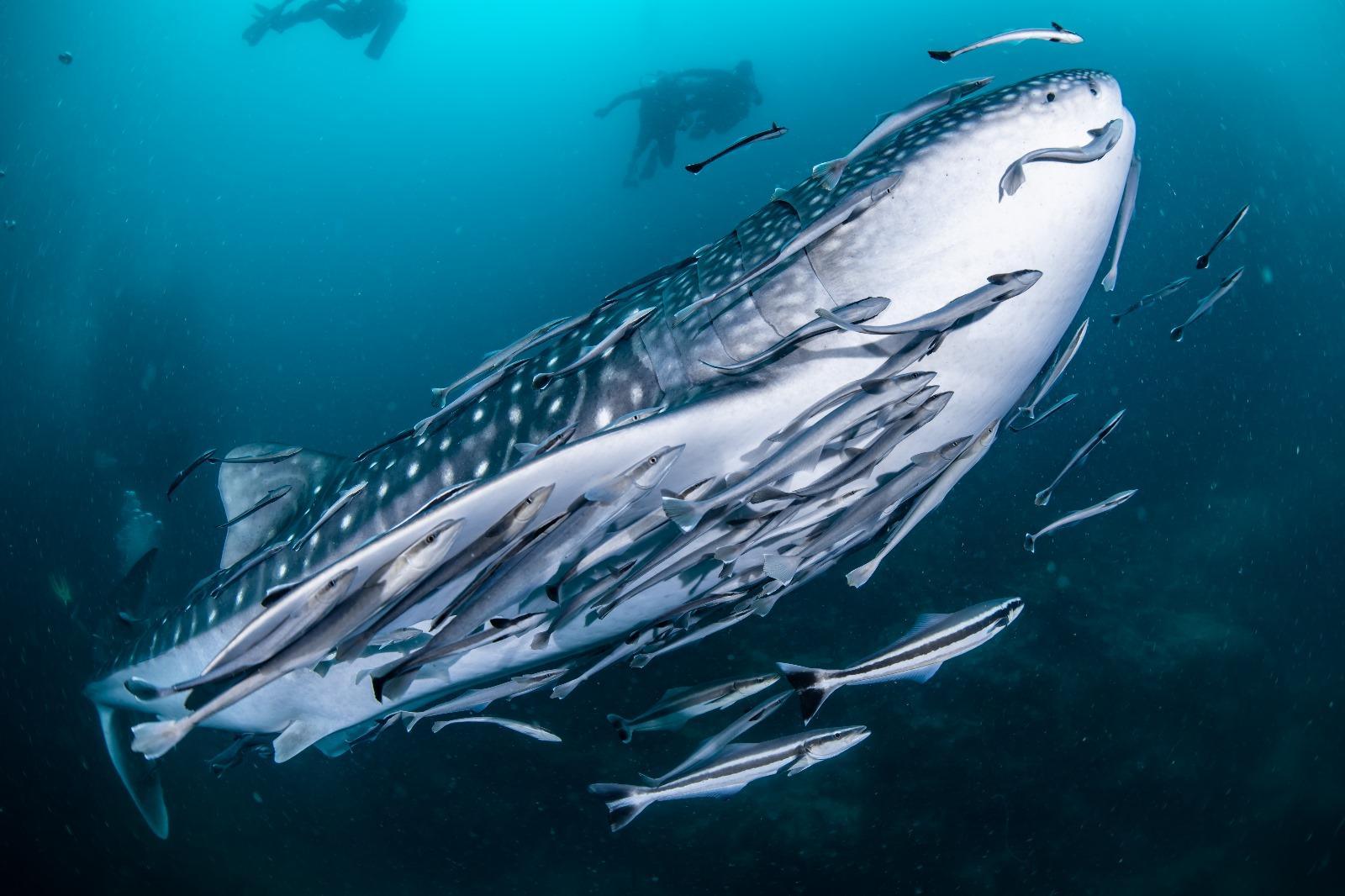
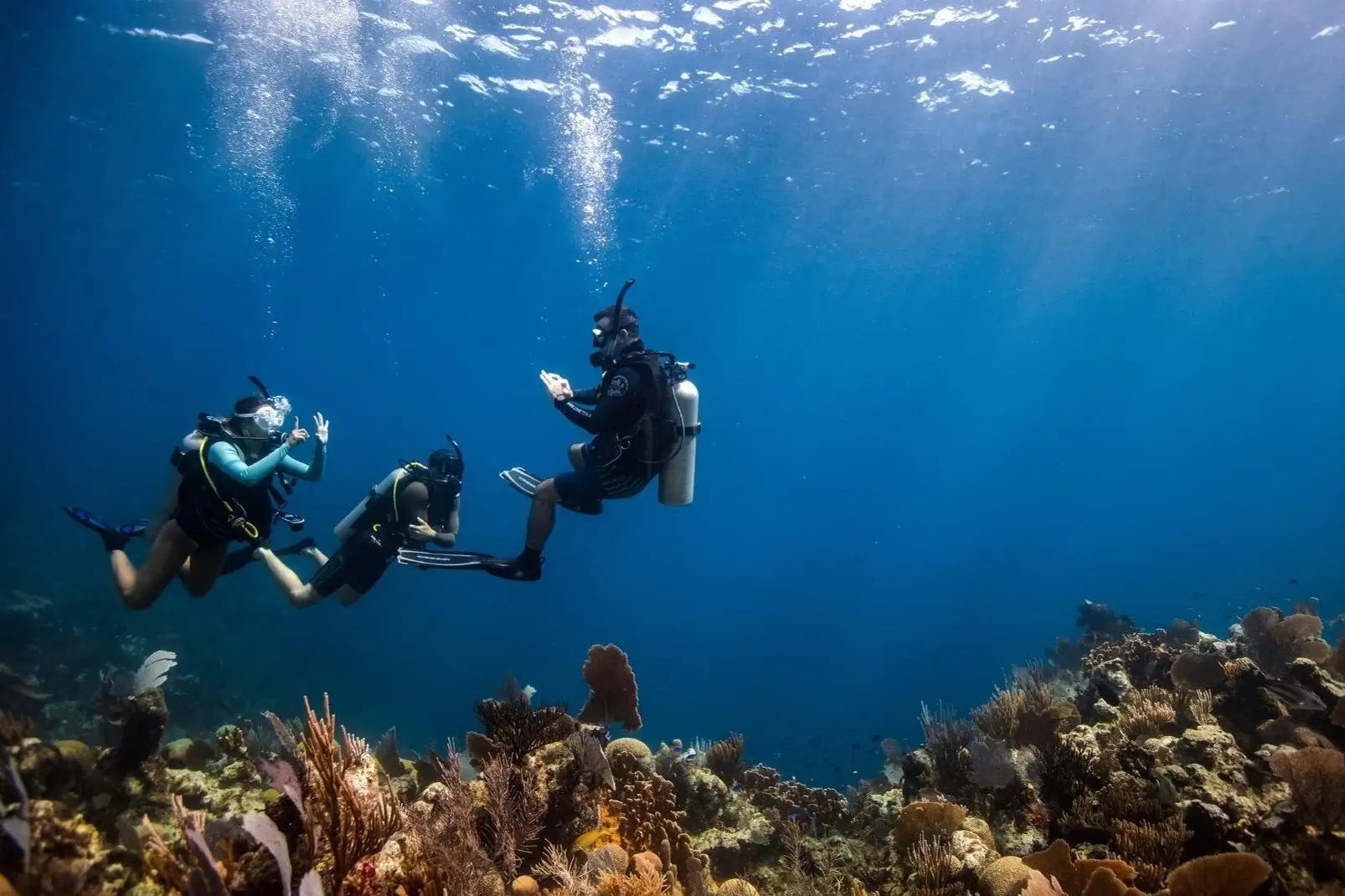
El sitio que hace que los buceadores del Reino Unido se replanteen todas sus futuras reservas de liveaboard en el Mar Rojo. Un solitario pináculo de granito en aguas abiertas a 50 minutos de Koh Samui en lancha rápida, que asciende desde los 40 m hasta a tan solo 4 m de la superficie. La densidad de vida marina es extraordinaria: barracudas chevron en cardúmenes de cientos a miles, jureles gigantes, peces murciélago, escombros, y —durante la temporada alta— tiburones ballena.
La chimenea vertical de Sail Rock —un paso submarino en la cara noroeste, que se entra a 18 m y asciende por una columna de roca hasta los 5 m— es uno de los elementos más memorables del buceo en el Sudeste Asiático. Los buceadores con certificación Open Water pueden acceder a ella con perfiles estándar.
Guía completa de Sail Rock y reservas aquí.
Chumphon Pinnacle
Más lejos de Koh Samui (menos de dos horas en lancha rápida), menos concurrido, y en muchos aspectos más dramático. Sistemas de cañones entre pilares de granito que descienden hasta los 30 m, recubiertos de anémonas de coral blando rosa y morado. Paredes de fusíleros —decenas de miles de peces— llenan los canales. Los tiburones leopardo descansan en la arena de abajo. Los tiburones ballena también visitan aquí, típicamente un poco más tarde en la temporada que en Sail Rock.
Este es un sitio de Advanced Open Water en espíritu aunque no en requisito estricto. Las mejores características están por debajo de los 18 m.
Salidas a Chumphon Pinnacle aquí.
Excursión de un Día a Koh Tao
Una travesía de 90 minutos a Koh Tao (“Isla Tortuga”) da acceso a más de 25 sitios nombrados. Tortugas Carey en casi cada inmersión. Tiburones de arrecife de punta negra en aguas poco profundas. El HTMS Sattakut —un buque de la Marina Tailandesa hundido deliberadamente en 2011— es ahora un pecio de 50 metros a 30 m, recubierto de coral blando y con cardúmenes de peces de cristal. Uno de los mejores arrecifes artificiales del Sudeste Asiático.
Excursión de un día a Koh Tao aquí.
Parque Nacional Marino de Ang Thong
Un parque protegido por la UNESCO de 42 islas en el lado oeste de Koh Samui, considerablemente más protegido del monzón que los sitios de la costa este. Jardines de coral duro pristinos, tortugas marinas, tiburones leopardo y peces de arrecife en un estado de recuperación que no encuentras en los sitios más frecuentados. Vale la pena dedicarle un día de cualquier viaje, especialmente para los fotógrafos.
Parque Marino de Ang Thong aquí.
Cursos PADI: Certificarse en Koh Samui
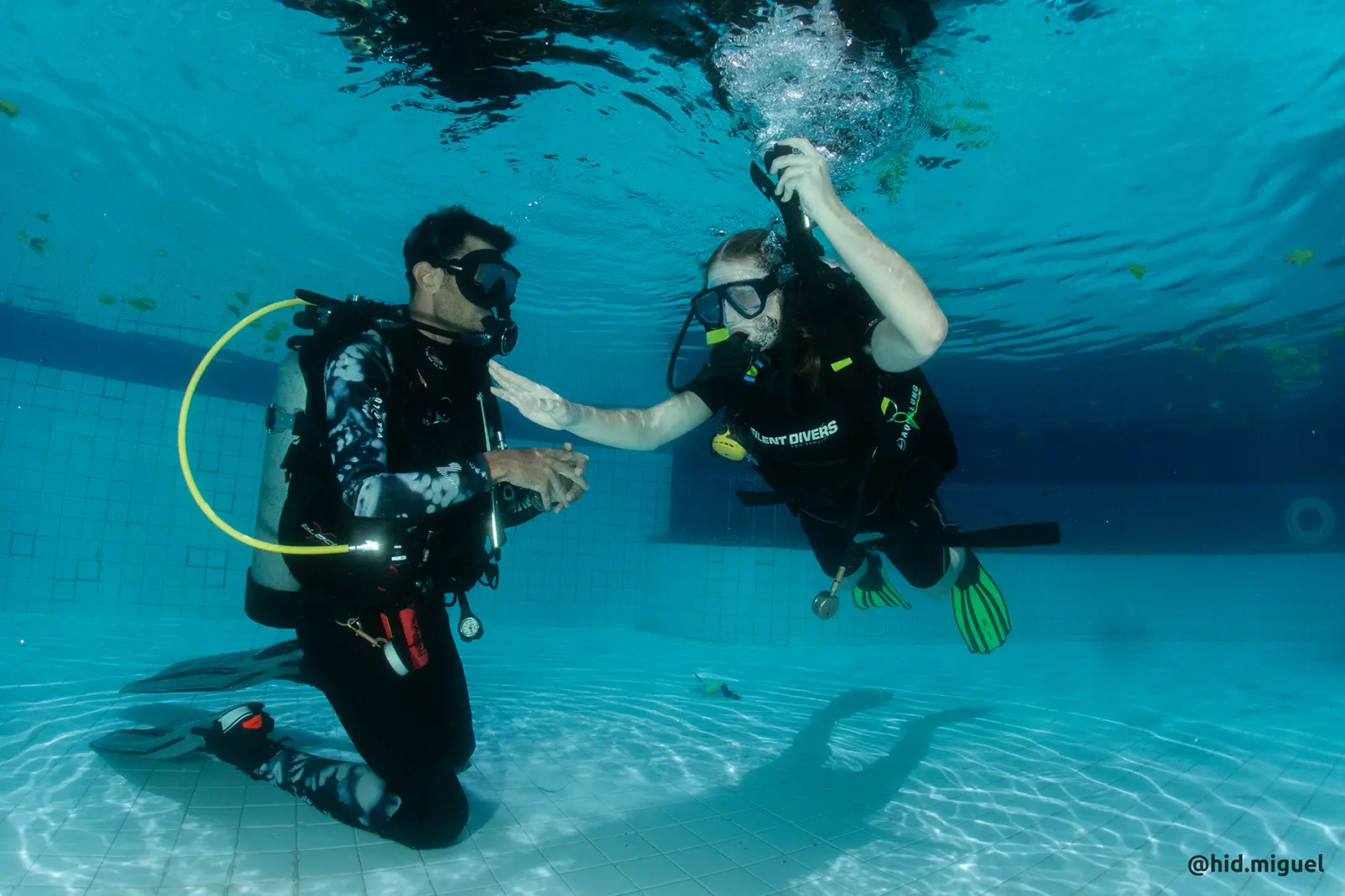
Muchos buceadores del Reino Unido aprovechan el viaje para obtener su certificación PADI o mejorar la existente. El Golfo de Tailandia es uno de los mejores entornos de aprendizaje del mundo: cálido, claro, tranquilo, con instrucción profesional en inglés.
| Curso | Duración | Costo (THB) | Costo (aprox. GBP) |
|---|---|---|---|
| Discover Scuba Diving | 1 día | ฿3.500 | ~£80 |
| PADI Open Water Diver | 3–4 días | ฿18.200 | ~£415 |
| PADI Advanced Open Water | 2–3 días | ฿14.200 | ~£325 |
| PADI Rescue Diver | 3–4 días | ฿18.500 | ~£420 |
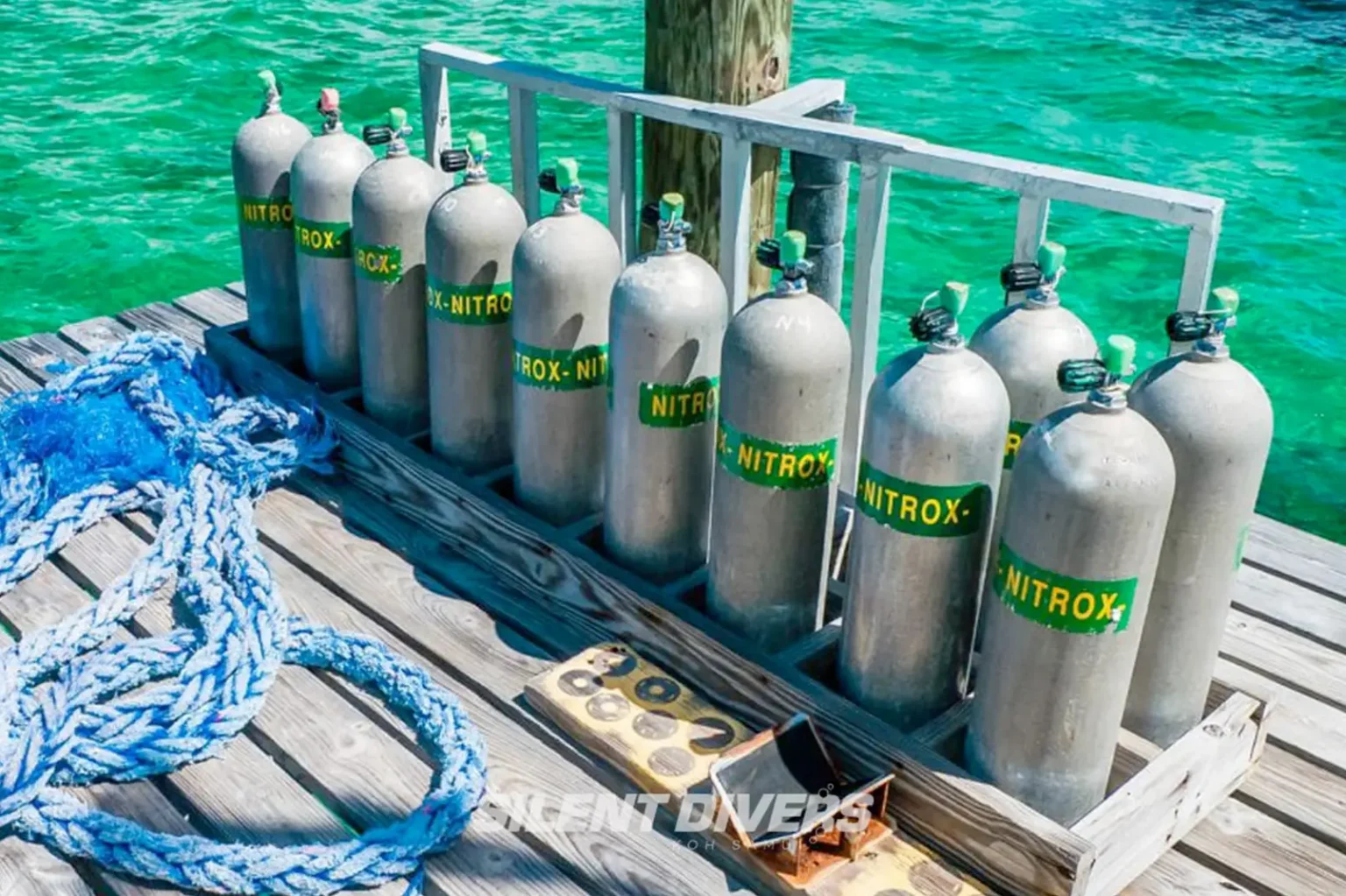
| Enriched Air Nitrox | Medio día | ฿3.900 | ~£89 |
Las conversiones a GBP son aproximadas al cambio actual — consulta XE.com antes de viajar.
Todos los cursos incluyen equipo, sesiones en piscina, inmersiones en mar abierto y tasas de certificación. El eLearning (teoría) se completa online antes de la llegada; te enviamos el enlace cuando reservas.
Sacarse el Open Water en unas vacaciones de buceo es eficiente: 3–4 días del viaje construyen tu calificación, y los días restantes los pasas usándola en salidas recreativas a Sail Rock o Koh Tao. Muchos de nuestros clientes del Reino Unido hacen exactamente esto.
Información Práctica para Viajeros del Reino Unido
Requisitos de Visado
Los titulares de pasaporte británico reciben una exención de visado gratuita de 60 días a su llegada. Sin solicitud, sin tasas. Presenta tu pasaporte, muestra un billete de vuelta y recibes el sello. Para la mayoría de las vacaciones del Reino Unido (1–3 semanas), no se necesita nada más.
Estancias más largas: se puede obtener una prórroga de 30 días (฿1.900, ~£43) en la oficina de inmigración de Koh Samui. Alternativamente, los viajes a Malasia o Camboya reinician el contador: es legal y está bien establecido.
Moneda y Costes
La moneda tailandesa es el Baht (THB). Los tipos de cambio actuales rondan £1 = ฿44–฿46 (compruébalo antes de viajar: los tipos fluctúan). Usa Wise o Revolut para los mejores tipos de cambio, significativamente mejores que las casas de cambio del aeropuerto o que sacar dinero de los cajeros tailandeses con una tarjeta de débito estándar del Reino Unido. Los cajeros de Koh Samui cobran una comisión de ฿220–฿250 por retirada (~£5) además de la comisión por transacción extranjera de tu banco. Wise o Revolut evitan esto por completo.
Costes diarios típicos en Koh Samui (por persona):
- Hostal económico: £25–£50 por noche
- Hotel de playa de gama media: £60–£120 por noche
- Resort de lujo: £150–£400 por noche
- Comer fuera (restaurantes tailandeses): £3–£8 por comida
- Restaurantes occidentales: £10–£20 por comida
- Cervezas: £2–£4
- Tuk-tuk/taxi: £3–£10 para la mayoría de los trayectos en Chaweng
Seguro de Viaje
El seguro de viaje estándar del Reino Unido a menudo excluye el buceo o lo limita a una profundidad inferior a la que requiere el buceo serio. Antes de salir:
- Declara el buceo a tu aseguradora — algunas pólizas estándar lo excluyen
- Comprueba los límites de profundidad — algunas pólizas solo cubren hasta 30 m; nuestros cursos y algunos sitios llegan a los 30 m
- Considera un seguro de buceo especializado — DAN Europe (Divers Alert Network) ofrece cobertura de buceo anual en todo el mundo desde unos £50/año, o aproximadamente £8–£15 por semana para una póliza de viaje única. Vale la pena.
La cámara de recompresión (hiperbárica) más cercana está en Koh Samui. Tu centro de buceo lleva oxígeno de emergencia en cada barco y los números de emergencia de DAN. Nunca hemos tenido que usarlos, pero la infraestructura está ahí.
Salud y Medicina
No se requieren vacunas específicas para Tailandia desde el Reino Unido, aunque el NHS recomienda estar al día con las vacunas de rutina y considerar la Hepatitis A, la Fiebre Tifoidea y el Tétanos. El riesgo de malaria en Koh Samui específicamente es muy bajo: la isla no está en el mapa estándar de malaria para turistas.
Los requisitos médicos estándar de PADI se aplican a todos los cursos. Ciertas condiciones (enfermedad cardíaca, epilepsia, asma no controlada, embarazo) requieren autorización médica antes de bucear. Te enviamos el cuestionario médico estándar al reservar, dando tiempo suficiente para gestionar la autorización en casa si es necesario.
Zona Horaria
Tailandia es GMT+7 durante todo el año (sin cambio horario). Desde Londres:
- Invierno (GMT): Tailandia está 7 horas por delante
- Verano (BST): Tailandia está 6 horas por delante
Una salida a las 13:00 desde Londres suele llegar a Bangkok el día siguiente alrededor de las 08:00 hora local: la llegada matutina es la norma en la mayoría de las rutas directas. Puedes estar en la playa a primera hora de la tarde.
Cómo Reservar tu Buceo
El proceso es sencillo:
- Explora las salidas — confirma qué sitios quieres bucear y los días de operación
- Reserva online o envía un correo a bookings@silentdivers.com — un depósito del 25% asegura tus fechas
- Completa el eLearning si estás haciendo un curso PADI (te enviamos el enlace tras la reserva)
- La recogida en el hotel está incluida desde la mayoría de las ubicaciones de Koh Samui — confirmamos tu hora de recogida 48 horas antes
Cancelación gratuita hasta 72 horas antes de tu salida. Para los cursos PADI, aplica la misma política: si tus planes de viaje cambian, reprogramamos o reembolsamos.
El Resumen Honesto
Koh Samui no es el destino de buceo más fácil de alcanzar desde el Reino Unido: requiere un día completo de viaje. Pero lo que ese día te compra: sitios de buceo genuinamente de talla mundial, agua cálida y constante, encuentros con tiburones ballena que pocos destinos del mundo pueden igualar, y una isla turística que es genuinamente cómoda y bien equipada, representa una relación calidad-precio excepcional en comparación con las alternativas europeas.
Explora nuestras salidas de buceo o contáctanos si tienes cualquier pregunta.