Koh Samui steht im britischen Taucherkeis nicht so prominent da wie das Rote Meer, die Malediven oder sogar Bali. Das liegt zum Teil an der Geografie – Thailand fühlt sich weiter entfernt an als Ägypten – und zum Teil an der Gewohnheit. Das Rote Meer hat eine etablierte Taucherpipeline für Briten, die Jahrzehnte zurückreicht. Es ist vertraut, zugänglich und liefert Ergebnisse.
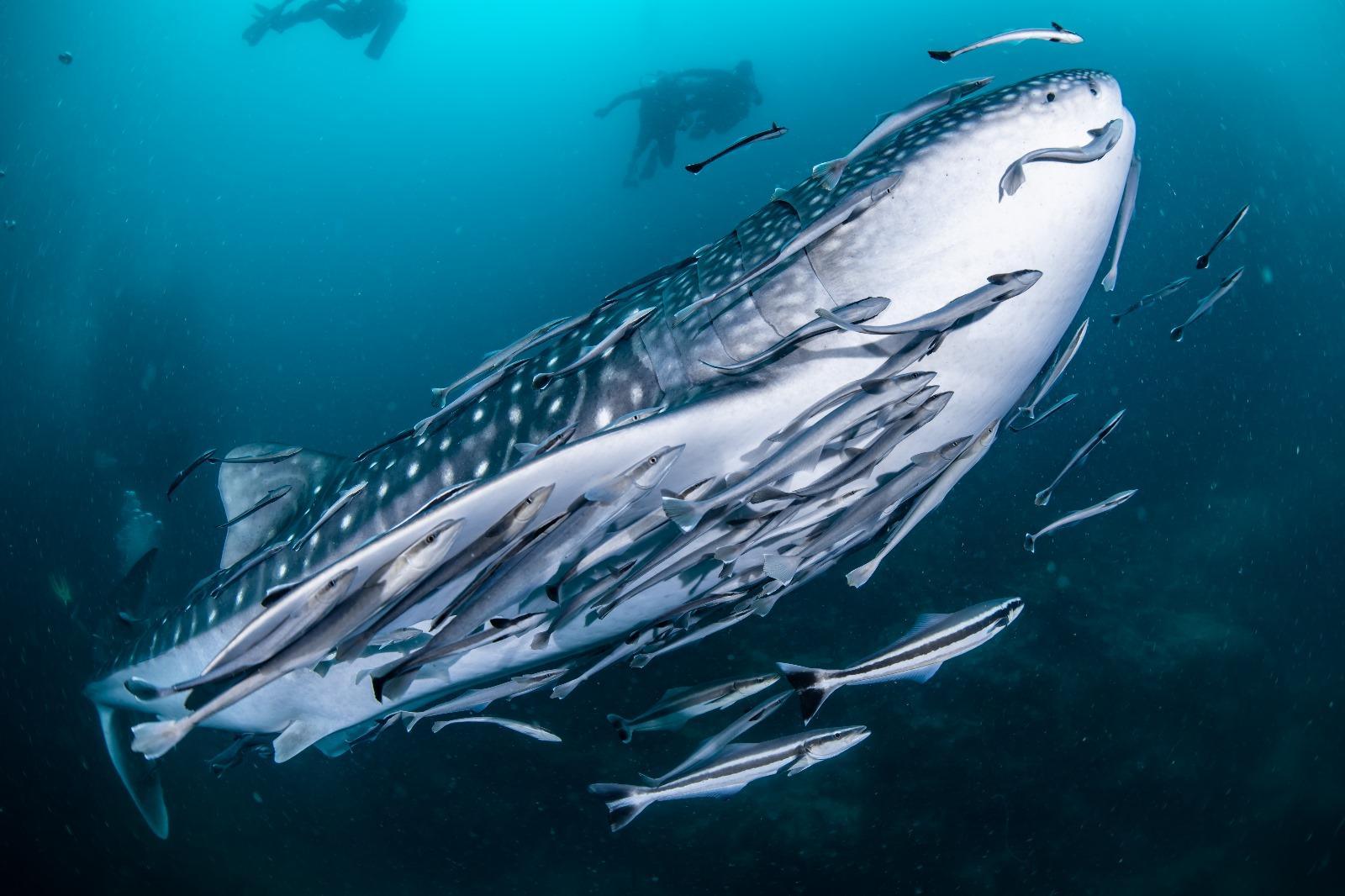
Aber der Golf von Thailand bietet etwas, das das Rote Meer trotz seiner Qualität schlicht nicht leisten kann: Walhaie an einem vorhersehbaren Platz, warmes ruhiges Wasser den Großteil des Jahres und eine Resortinsel-Infrastruktur, die bedeutet, dass Sie tagsüber außergewöhnliche Plätze tauchen und abends gut essen, gut schlafen und im Hotelpool schwimmen. Sobald britische Taucher es erleben, kommen die meisten wieder.
Dieser Leitfaden ist speziell für britische Besucher geschrieben – Flüge, Kosten in Pfund, Visafragen, Schulferientiming und ein ehrlicher Vergleich mit den Zielen, gegen die Sie es wahrscheinlich abwägen.
Das Argument für Koh Samui gegenüber Ihren anderen Optionen
vs. das Rote Meer
Ägyptens Rotes Meer – Sharm El-Sheikh, Hurghada, die Brothers – ist exzellentes Tauchen und deutlich näher. Flüge dauern 5–6 Stunden. Aber die Signatur-Pelagischen des Roten Meeres (Hammerhaie, Fuchshaie, große Schwarmfische) erfordern Safariboote, die £1.800–£3.000+ pro Woche kosten. Tagesboot-Tauchen von Sharm oder Hurghada ist gut, aber selten außergewöhnlich. Koh Samui bietet Ihnen Sail-Rock-Niveau-Tauchen auf einer Tagestour für weniger Geld als ein Safaribotberth im Roten Meer.
Das Rote Meer gewinnt bei Nähe und Wandtauchen. Koh Samui gewinnt bei Meereslebensbegegnungen, Preis-Leistung und der Qualität des Lebens an Land.
vs. die Malediven
Die Malediven sind eines der feinsten Tauchziele der Erde. Sie sind auch eines der teuersten. Rückflüge vom UK kosten £700–£1.200. Ein Safaribott kostet zusätzlich £2.000–£4.000 pro Woche. Resortbasiertes Tauchen ist außergewöhnlich, aber ähnlich teuer. Eine vergleichbare Tauchwoche in Koh Samui – gleiche Wassertemperatur, ähnliches Meeresleben, ähnliche Sicht – kostet grob ein Drittel bis die Hälfte des Gesamtbetrags.
Für britische Taucher ohne unbegrenztes Budget bietet Koh Samui das Indischen-Ozean-Erlebnis zu Golf-von-Thailand-Preisen.
vs. Indonesien (Bali, Komodo, Raja Ampat)
Indonesien ist schlechthin das beste Tauchziel der Welt. Komodo und Raja Ampat bieten eine Artenvielfalt, mit der Koh Samui nicht mithalten kann. Aber diese erfordern deutlich mehr Logistik: längere Flüge, Mehrinselverbindungen, und die besten Plätze von Komodo/Raja Ampat erfordern Safariboote. Koh Samui ist die beste Antwort auf „Ich möchte ausgezeichnetes tropisches Tauchen mit minimalem Reisestress.”
Anreise aus dem UK
Flüge
Die meisten britischen Besucher fliegen nach Bangkok Suvarnabhumi (BKK) und nehmen dann eine Inlandsverbindung nach Koh Samui (USM). Bangkok Airways betreibt die BKK–USM-Strecke mit Abflügen den ganzen Tag – der Flug dauert 75 Minuten. Tür-zu-Tür aus London: typischerweise 14–17 Stunden inklusive Anschluss.
Beste Routen aus dem UK:
- Qatar Airways über Doha – oft wettbewerbsfähige Preise, gute Abflugzeiten nach BKK
- Emirates über Dubai – ähnliche Preise, etwas längere Route
- Thai Airways direkt LHR–BKK – oft die einfachste Verbindung
- Etihad über Abu Dhabi – eine weitere wettbewerbsfähige Golffluggesellschaft
Von Manchester, Birmingham und Edinburgh gibt es Verbindungen über London oder einen Golfhub. Prüfen Sie Google Flights mit flexiblen Daten – Abflüge unter der Woche und in der Nebensaison (Mai, Juni, September, Oktober) schlagen konsequent Schulferienpreise.
Was zu zahlen ist: £450–£700 Rückflug aus London in der Nebensaison. £650–£900 in den Hauptsaisonmonaten Juli–August und Dezember–Januar.
Wann buchen
Für die Sommerferien (Juli–August) 4–6 Monate im Voraus buchen. Für Ostern (das beste Tauchfenster) reichen typischerweise 3–4 Monate. Für den Pfingstfeiertag im Mai – ausgezeichnetes Timing, Walhaie noch aktiv – sind 2–3 Monate in der Regel ausreichend.
Wann zu gehen: Britische Timing-Perspektive
Ostern (März–April) – Das beste Fenster
Das ist unsere Empfehlung für britische Reisende ohne schulpflichtige Kinder. Ostern in Koh Samui bedeutet: Tauchhöchstbedingungen, Walhaie mit hoher Häufigkeit, Wassertemperatur bei 29–30 °C und ausgezeichnete Sicht. Das ist der Süßpunkt des Jahres. Frühzeitig buchen – Ostern ist bei europäischen Besuchern insgesamt beliebt.
Pfingsten – Außergewöhnliches Preis-Leistungs-Verhältnis
Ende Mai ist wohl die einzelne beste Tauchwoche des Jahres und eine der unterschätzten für britische Besucher. Walhaie sind noch aktiv (oft die höchste Häufigkeit des Jahres). Bedingungen sind ausgezeichnet. Und viele britische Familien haben noch nicht entdeckt, dass das Thai-Pfingsten dramatisch besser ist als inländische Pfingstoptionen. Hotels fallen im Preis nach dem Osterhöchststand.
Sommerferien (Juli–August) – Sehr gut, belebter
Juli und August funktionieren gut für Familien und alle, die auf Schulferien beschränkt sind. Die Bedingungen sind wirklich gut – nicht Hochsaison, aber 12–20 m Sicht, 29–30 °C Wasser, aktives Meeresleben. Die Insel ist belebt (es ist Thailands Sommersaison insgesamt) und Hotelpreise sind auf oder nahe dem Höchststand. Frühzeitig Unterkunft buchen.
Für Familien mit schulpflichtigen Kindern: August ist der bequemste Monat – die vollständigen sechs Wochen Ferien geben Flexibilität bei genauen Terminen, Flügen und Wetterreservetagen.
Herbstferienwoche – Mit Bewusstsein vorgehen
Oktober ist der Beginn des Nordostmonsuns. Die Bedingungen sind wechselhaft – Sie werden ausgezeichnete und raue Tage haben. Es ist nicht das richtige Timing, wenn Tauchen das primäre Ziel ist. Wenn Koh Samui der Strandurlaub ist und Tauchen sekundär, funktioniert es. Wenn Sie hauptsächlich zum Tauchen kommen, erwägen Sie stattdessen die Februarferien.
Februarferien – Spitzenbedingungen
Wenn Ihre Februarferien im richtigen Fenster liegen, ist das außergewöhnliches Timing. Januar und Februar sind die zuverlässigsten Monate des Jahres – beständiges Wetter, 15–25 m Sicht, ruhige Meere. Der Golf ist am ruhigsten. Der einzige Kompromiss: Preise in der Hauptsaison. Aber für eine Woche zuverlässiges, schönes Tauchen ist Februar schwer zu schlagen.
Weihnachten und Neujahr
Koh Samui zu Weihnachten ist ausgezeichnet – die Insel ist festlich, das Tauchen ist gut (Bedingungen verbessern sich nach Novembers Monsun) und das Wetter ist weitgehend kooperativ. Es ist jedoch die teuerste Zeit des Jahres. Wenn Budget wichtig ist, vermeiden Sie die Weihnachts-Neujahrs-Woche und besuchen Sie stattdessen Anfang Januar.
Die Tauchplätze: Was Sie tatsächlich sehen werden
Sail Rock (Hin Bai)
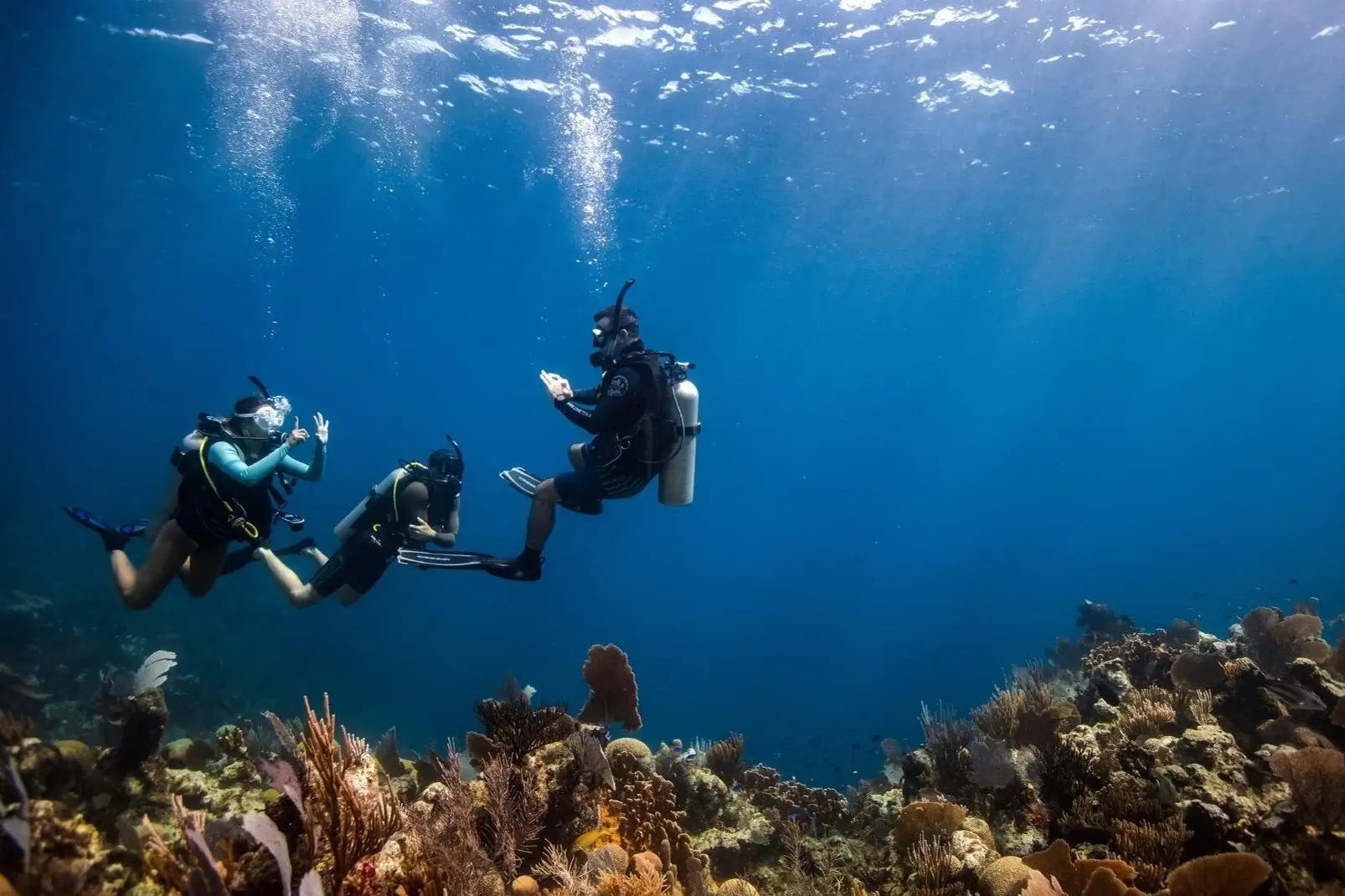
Der eine Tauchplatz, der britische Taucher dazu bringt, jede zukünftige Rotes-Meer-Safaribottbuchung zu überdenken. Ein einzelner Granitfelsen in offenem Wasser 50 Minuten von Koh Samui mit dem Schnellboot entfernt, der von 40 m bis auf 4 m unter die Oberfläche ragt. Die Dichte des Meereslebens ist außergewöhnlich: Chevron-Barrakudas in Schulen von hunderten bis tausenden, Riesenwachsmakrelen, Fledermausfische, Regenbogensfische und – in der Hochsaison – Walhaie.
Sail Rocks vertikaler Kamin – ein Durchschwimm auf der Nordwestseite, der auf 18 m eintritt und durch eine Felsensäule bis auf 5 m aufsteigt – ist eines der unvergesslichsten Merkmale beim Tauchen in Südostasien. Open-Water-zertifizierte Taucher können ihn bei Standard-Tauchprofilen nutzen.
Vollständiger Sail-Rock-Leitfaden und Buchung hier.
Chumphon Pinnacle
Weiter von Koh Samui entfernt (unter zwei Stunden mit dem Schnellboot), weniger überfüllt und in vielerlei Hinsicht dramatischer. Canyonsysteme zwischen Granitpfeilern fallen bis auf 30 m ab, bedeckt mit rosa und lila Weichkorallenanemonen. Wände aus Füsilieren – zehntausende Fische – füllen die Kanäle. Leopardhaie ruhen auf dem Sand unten. Walhaie besuchen auch diesen Platz, typischerweise etwas später in der Saison als Sail Rock.
Dies ist ein Advanced-Open-Water-Platz im Geiste, wenn auch nicht streng erforderlich. Die besten Merkmale liegen unter 18 m.
Chumphon-Pinnacle-Ausflüge hier.
Koh-Tao-Tagestour
Eine 90-minütige Überfahrt nach Koh Tao („Schildkröteninsel”) gibt Zugang zu über 25 benannten Tauchplätzen. Unechte Meeresschildkröten bei fast jedem Tauchgang. Schwarzspitzen-Riffhaie in den flachen Bereichen. Die HTMS Sattakut – ein Thai-Marine-Schiff, das 2011 absichtlich versenkt wurde – ist jetzt ein 50-Meter-Wrack auf 30 m, überkrustet mit Weichkorallen und schoolenden Glasfischen. Eines der besten Kunstriffe in Südostasien.
Ang-Thong-Nationalpark
Ein UNESCO-geschützter Park mit 42 Inseln auf der Westseite von Koh Samui, deutlich besser vor dem Monsun geschützt als die Ostküsten-Tauchplätze. Unberührte Hartkorallengärten, Meeresschildkröten, Leopardhaie und Rifffische in einem Erholungszustand, den man an stark betauchten Tauchplätzen nicht findet. Einen Tag einer jeden Reise wert, besonders für Fotografen.
PADI-Kurse: In Koh Samui zertifiziert werden
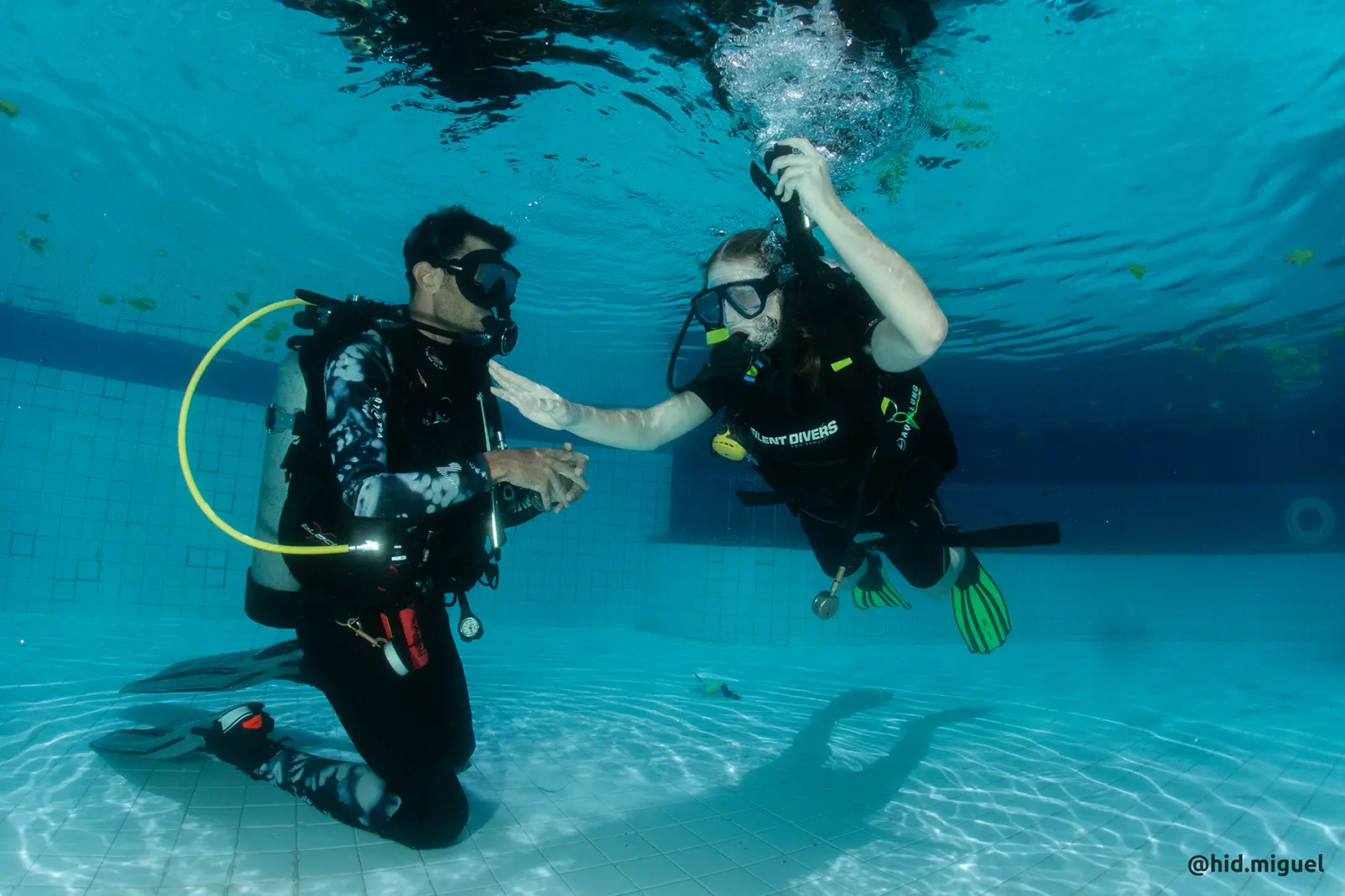
Viele britische Taucher nutzen die Reise, um ihre PADI-Zertifizierung zu erhalten oder eine bestehende zu upgraden. Der Golf von Thailand ist eine der besten Lernumgebungen der Welt: warm, klar, ruhig, mit professioneller Ausbildung auf Englisch.
| Kurs | Dauer | Kosten (THB) | Kosten (ca. GBP) |
|---|---|---|---|
| Discover Scuba Diving | 1 Tag | ฿3.500 | ~£80 |
| PADI Open Water Diver | 3–4 Tage | ฿18.200 | ~£415 |
| PADI Advanced Open Water | 2–3 Tage | ฿14.200 | ~£325 |
| PADI Rescue Diver | 3–4 Tage | ฿18.500 | ~£420 |
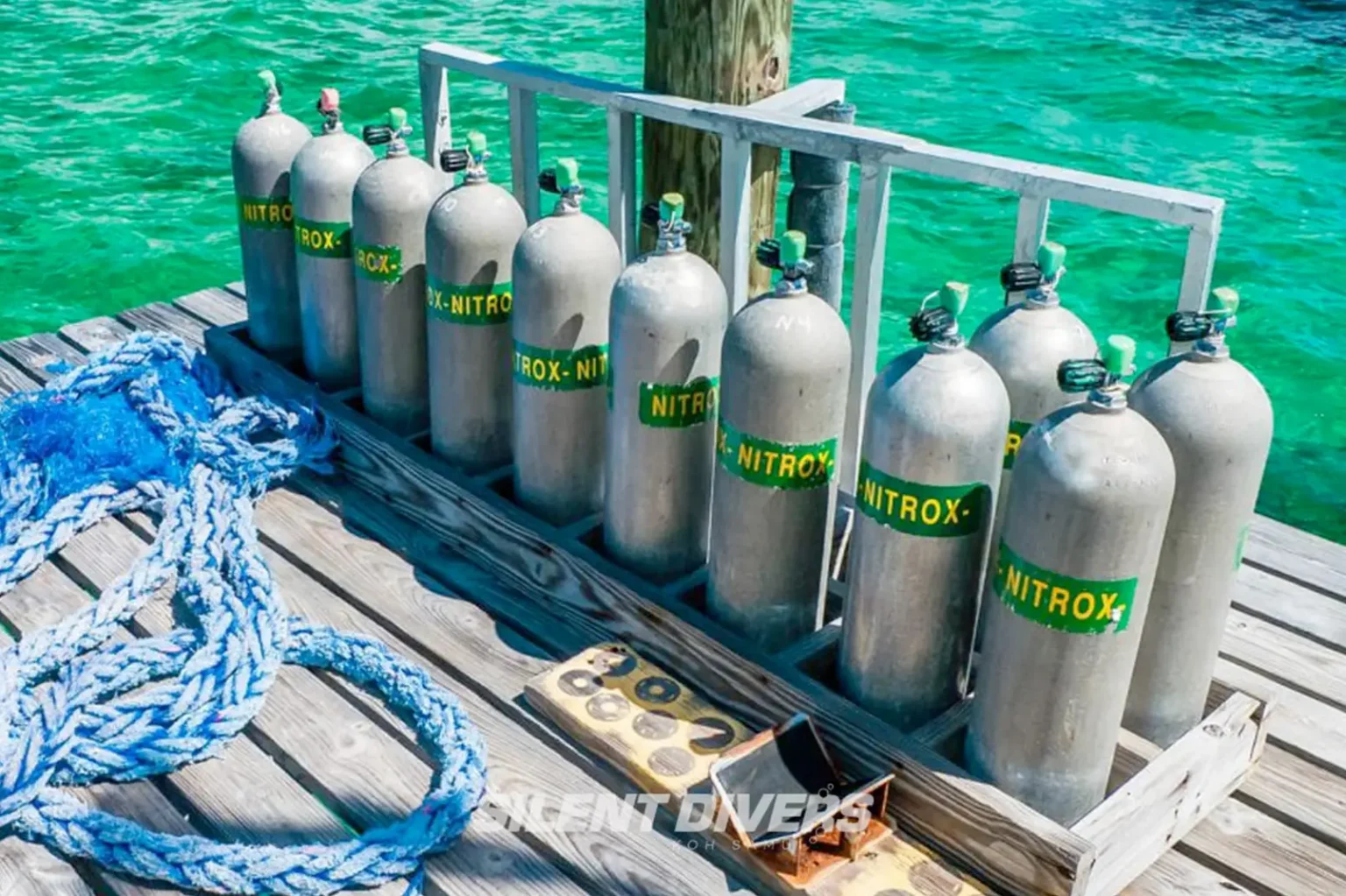
| Enriched Air Nitrox | Halber Tag | ฿3.900 | ~£89 |
GBP-Umrechnungen ca. zum aktuellen Wechselkurs – vor der Reise XE.com prüfen.
Alle Kurse umfassen Ausrüstung, Pooleinheiten, Freiwassertauchgänge und Zertifizierungsgebühren. eLearning (Theorie) wird online vor der Ankunft absolviert – wir schicken Ihnen den Link nach der Buchung.
Ihren Open-Water-Kurs während eines Tauchurlaubs zu machen ist effizient: 3–4 Tage des Trips bauen Ihre Qualifikation auf, und die verbleibenden Tage werden damit verbracht, sie bei Spaßtauchgängen bei Sail Rock oder Koh Tao zu nutzen. Viele unserer britischen Gäste machen genau das.
Praktische britische Reiseinformationen
Visaanforderungen
Britische Passinhaber erhalten bei der Einreise eine kostenlose 60-tägige Visumbefreiung. Kein Antrag erforderlich, keine Gebühr. Zeigen Sie Ihren Pass, zeigen Sie ein Rückflugticket, und Sie erhalten den Stempel. Für die meisten britischen Urlaube (1–3 Wochen) ist nichts weiter erforderlich.
Längere Aufenthalte: Eine 30-tägige Verlängerung (฿1.900, ~£43) ist am Koh-Samui-Einwanderungsamt erhältlich. Alternativ werden Grenzläufe nach Malaysia oder Kambodscha die Uhr zurückstellen – legal und gut etabliert.
Währung und Kosten
Der Thai Baht (THB) ist die Währung. Aktuelle Kurse liegen bei ca. £1 = ฿44–฿46 (vor der Reise prüfen – Kurse schwanken). Verwenden Sie Wise oder Revolut für die besten Wechselkurse, deutlich besser als Flughafen-Wechselstuben oder Abhebungen von Thai-Geldautomaten mit einer Standard-britischen Debitkarte. Koh-Samui-Geldautomaten berechnen eine ฿220–฿250-Gebühr pro Abhebung (~£5) zusätzlich zur Auslandstransaktionsgebühr Ihrer Bank. Wise oder Revolut vermeiden dies vollständig.
Typische Koh-Samui-Tageskosten (pro Person):
- Budget-Gästehaus: £25–£50/Nacht
- Mittelklasse-Strandhotel: £60–£120/Nacht
- Luxusresort: £150–£400/Nacht
- Essen auswärts (Thai-Restaurants): £3–£8 pro Mahlzeit
- Westliche Restaurants: £10–£20 pro Mahlzeit
- Bier: £2–£4
- Tuk-Tuk/Taxi: £3–£10 für die meisten Chaweng-Fahrten
Reiseversicherung
Standard-britische Reiseversicherung schließt das Tauchen oft aus oder begrenzt es auf eine Tiefe, die für ernstes Tauchen zu gering ist. Vor der Abreise:
- Tauchen angeben bei Ihrer Versicherung – einige Standardpolicen schließen es aus
- Tiefengrenzen prüfen – einige Policen decken nur bis 30 m ab; unsere Kurse und einige Plätze gehen bis 30 m
- Spezielle Tauchversicherung erwägen – DAN Europe (Divers Alert Network) bietet jährliche weltweite Tauchdeckung ab ca. £50/Jahr oder ca. £8–£15 pro Woche für eine Einzel-Reisepolicy. Es lohnt sich.
Die nächste Rekompressions-(hyperbare) Kammer befindet sich auf Koh Samui. Ihr Tauchzentrum trägt Notfall-Sauerstoff auf jedem Boot und DAN-Notrufnummern. Wir haben sie noch nie gebraucht – aber die Infrastruktur ist vorhanden.
Gesundheit und Medizin
Es sind keine Impfungen speziell für Thailand aus dem UK erforderlich, obwohl der NHS empfiehlt, routinemäßige Impfungen auf dem neuesten Stand zu halten und Hepatitis A, Typhus und Tetanus zu erwägen. Malariarisiko auf Koh Samui speziell ist sehr gering – die Insel steht nicht auf der Standard-Malariakarte für Touristen.
Standard-PADI-Medizinvoraussetzungen gelten für alle Kurse. Bestimmte Erkrankungen (Herzerkrankungen, Epilepsie, unkontrolliertes Asthma, Schwangerschaft) erfordern eine ärztliche Unbedenklichkeitsbescheinigung vor dem Tauchen. Das ist nicht ungewöhnlich, und wir helfen Ihnen dabei, wenn Sie es zu Hause arrangieren müssen.
Zeitzone
Thailand ist das ganze Jahr über GMT+7 (keine Sommerzeit). Aus London:
- Winter (GMT): Thailand ist 7 Stunden voraus
- Sommer (BST): Thailand ist 6 Stunden voraus
Ein Abflug um 13:00 Uhr aus London kommt typischerweise am nächsten Tag gegen 08:00 Uhr Ortszeit in Bangkok an – Morganankunft ist bei den meisten Direktrouten die Norm. Sie können früh nachmittags am Strand sein.
Ihre Tauchgänge buchen
Der Prozess ist unkompliziert:
- Ausflüge durchsuchen – bestätigen Sie, welche Tauchplätze Sie tauchen möchten, und prüfen Sie die Betriebstage
- Online buchen oder per E-Mail an bookings@silentdivers.com – eine 25%ige Anzahlung sichert Ihre Termine
- eLearning abschließen, wenn Sie einen PADI-Kurs machen (wir schicken den Link nach der Buchung)
- Hotelabholung ist von den meisten Koh-Samui-Standorten inklusive – wir bestätigen Ihre Abholzeit 48 Stunden vorher
Kostenlose Stornierung bis zu 72 Stunden vor Ihrer Tour. Für PADI-Kurse gilt dieselbe Richtlinie – wenn sich Ihre Reisepläne ändern, terminieren wir um oder erstatten den Betrag.
Die ehrliche Zusammenfassung
Koh Samui ist nicht das einfachste Tauchziel aus dem UK – es dauert einen vollen Reisetag. Aber für das, was dieser Tag Ihnen bietet: echte weltklasse Tauchplätze, konsequent warmes Wasser, Walhai-Begegnungen, mit denen nur wenige Ziele der Welt mithalten können, und eine Resortinsel, die wirklich komfortabel und gut ausgestattet ist – das ist ein außergewöhnliches Preis-Leistungs-Verhältnis im Vergleich zu den europäischen Alternativen.
Unsere Tauchausflüge durchsuchen oder bei Fragen Kontakt aufnehmen.