“¿Cuánto tarda el PADI?” es la primera pregunta que hace casi todo el mundo antes de reservar un curso. Y la respuesta, frustrante pero cierta, es: depende. La orientación oficial de PADI es de 3–4 días. En la práctica, puede variar entre 2,5 y más de 5 días dependiendo de lo a fondo que te prepares, de la rapidez con la que domines las habilidades en aguas confinadas y de cómo acompañe el tiempo.
Aquí va el desglose honesto.
El Plazo Mínimo Realista: 2,5 Días
El camino más rápido y realista hacia la certificación Open Water es dos días y medio. Es genuinamente alcanzable para los alumnos que:
- Completan todos los módulos de eLearning a fondo antes de la primera sesión en piscina
- Se sienten cómodos respirando bajo el agua desde el principio y avanzan rápidamente por las habilidades en aguas confinadas
- Tienen buen tiempo en los días de inmersiones en mar abierto
El cronograma sería:
- Día 1 (día completo): Las cinco inmersiones en aguas confinadas completadas
- Día 2 (día completo): Inmersiones en mar abierto 1 y 2 por la mañana, inmersiones 3 y 4 por la tarde
- Certificado al final del día 2
Algunos alumnos aprovechan para hacer una salida recreativa el día 3 con su flamante certificación, lo cual es una manera excelente de celebrarlo y consolidar habilidades en un entorno sin presión.
El Plazo Estándar: 3 Días Completos
Así es como estructuramos el curso en Silent Divers y como lo completan la mayoría de los alumnos.
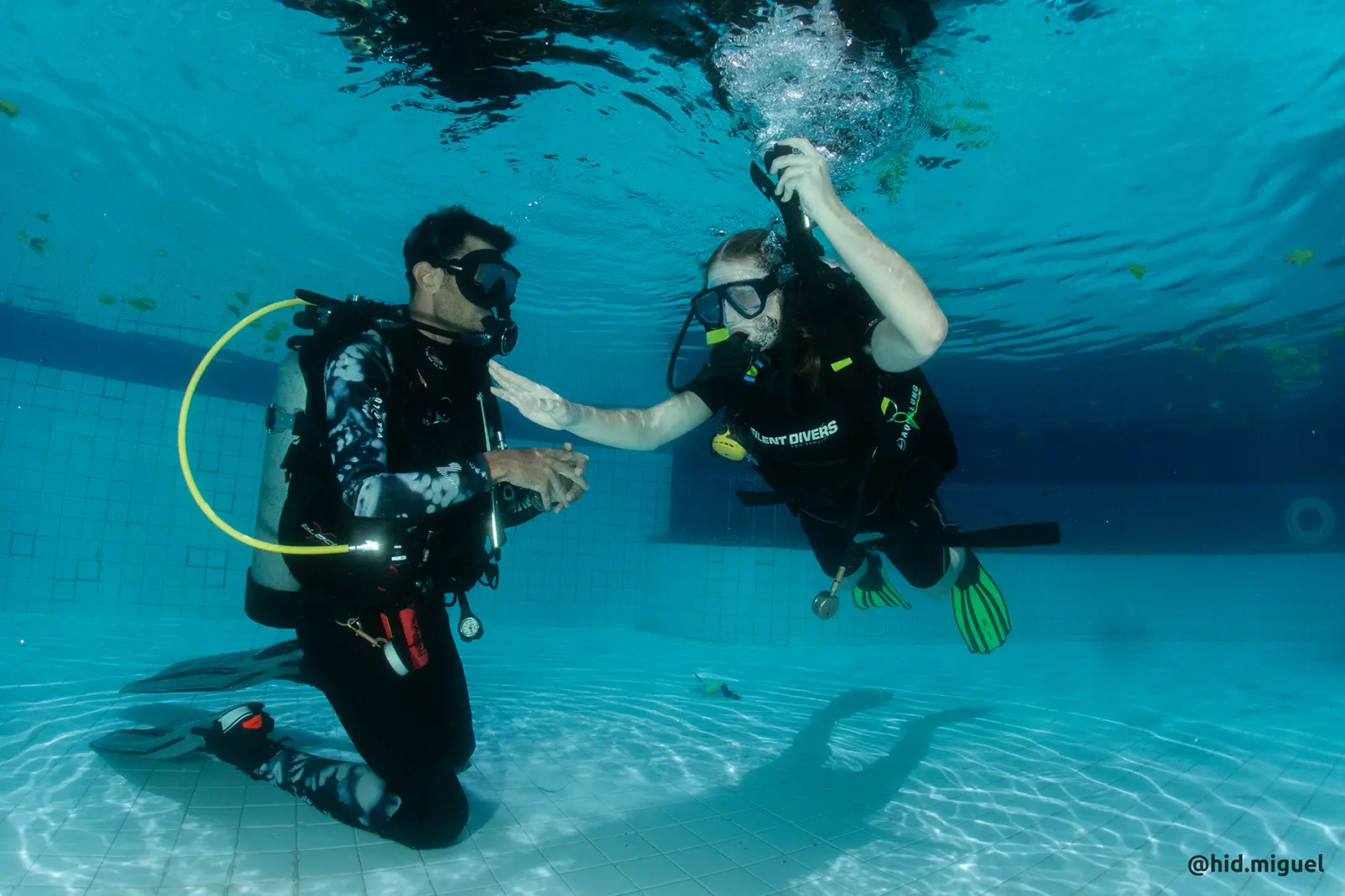
Día 1: Sesiones en aguas confinadas. Ajuste del equipo, respiración bajo el agua, cinco sesiones de habilidades. La mayoría de los alumnos completan las cinco inmersiones en aguas confinadas entre la mañana y el inicio de la tarde.
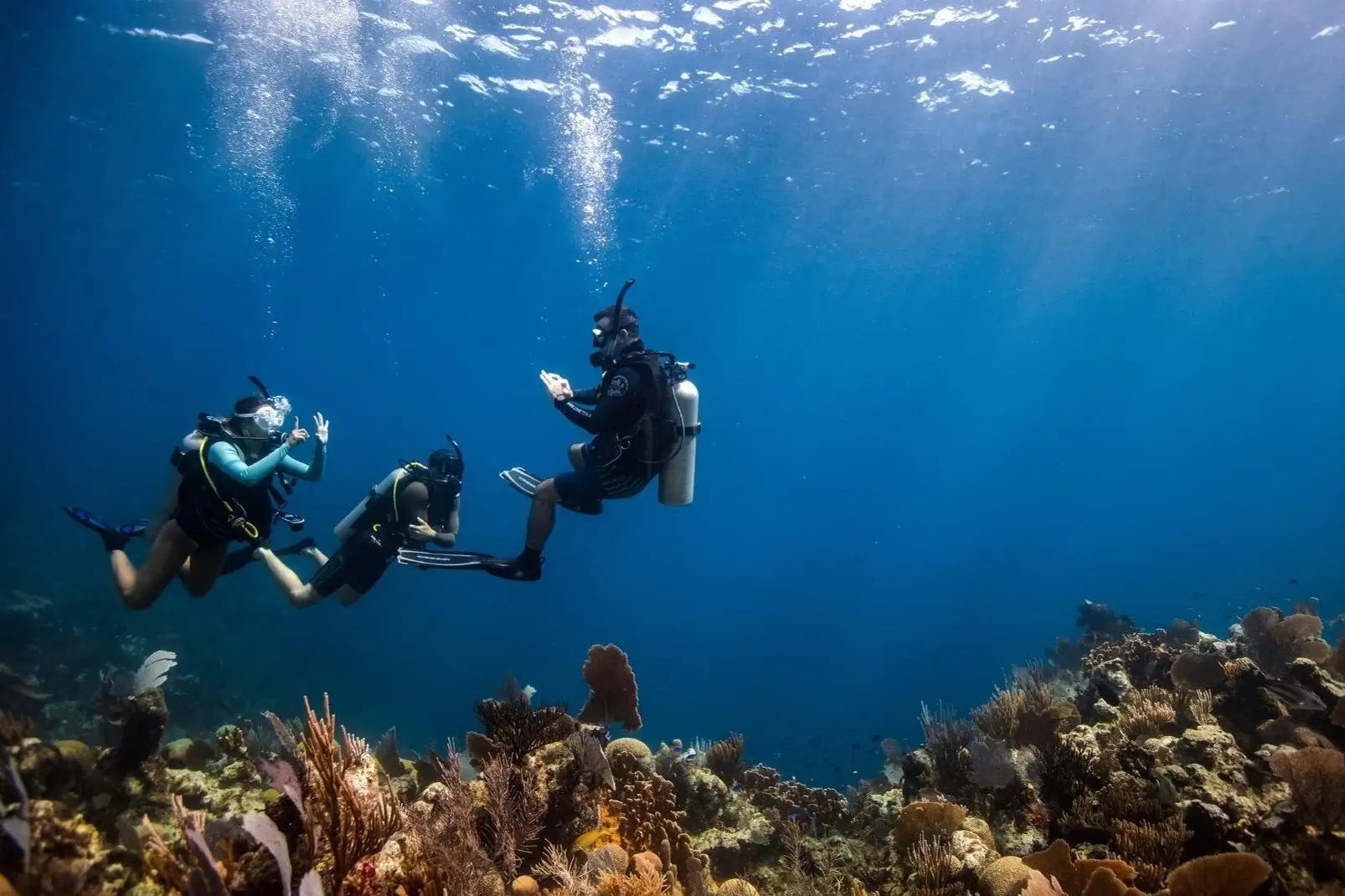
Día 2: Inmersiones en mar abierto 1 y 2 en barco hacia sitios locales. Profundidades más bajas (5–12 m), práctica de habilidades en el océano, presentación del arrecife. Normalmente salida por la mañana, de vuelta por la tarde temprana.
Día 3: Inmersiones en mar abierto 3 y 4. Perfiles más profundos (hasta 18 m), buceo más autónomo, práctica de navegación. Certificación confirmada al final del día.
Tres días es cómodo, sin prisas, y deja espacio mental para disfrutar realmente del proceso en lugar de correr hacia la meta.
El Plazo Extendido: 4 Días
Añadir un cuarto día es adecuado cuando:
- Un alumno necesita más tiempo en habilidades específicas de aguas confinadas (con más frecuencia, flotabilidad o compensación de oídos)
- El tiempo obliga a posponer un día de inmersiones en mar abierto
- Un alumno simplemente prefiere un ritmo más tranquilo con más tiempo para consolidar habilidades entre sesiones
Cuatro días no es un fracaso. Es reconocer que el desarrollo de habilidades es individual. Preferimos darte una sesión extra en una habilidad difícil antes que llevarte a la certificación cuando no te sientes del todo seguro.
¿Qué Afecta Realmente al Plazo?
El eLearning: La Mayor Variable
El único factor que más determina cuánto tarda la certificación es lo a fondo que hagas el eLearning de antemano.
Los alumnos que llegan con el eLearning completado suelen dominar las habilidades en aguas confinadas más rápido. Entienden por qué las técnicas funcionan como lo hacen, así que el instructor no tiene que combinar teoría con práctica física. Hacen mejores preguntas. Cometen menos errores.
Los alumnos que llegan sin el eLearning hecho, o bien lo completan el día 1 (lo que añade horas a ese día) o lo distribuyen en las tardes —algo que funciona, pero ralentiza todo—.
Recomendación práctica: Completa todos los módulos de eLearning al menos 48 horas antes de tu primera sesión en piscina. Los módulos tienen una duración total de 8–10 horas. Empieza una semana antes del viaje si es posible.
Habilidades en Aguas Confinadas: La Variable Personal
Las cinco sesiones de habilidades en aguas confinadas son donde más varía el ritmo individual. Algunas habilidades encajan de inmediato; otras requieren más intentos:
Vaciado de máscara — la mayoría de los alumnos lo consiguen en dos o tres intentos. Exhala con confianza por la nariz mientras inclinas la cabeza hacia atrás. La exhalación tímida a medias es el error más habitual; una exhalación segura la vacía por completo.
Compensación de oídos — no es una habilidad de aguas confinadas en sentido estricto (no la necesitas a la profundidad de la piscina), pero se vuelve relevante en el primer descenso en mar abierto. Los alumnos con algún historial de problemas de oído, senos nasales o que nunca hayan hecho compensación Valsalva pueden necesitar más tiempo en la fase de descenso. La solución es siempre: ir despacio.
Flotabilidad — la habilidad que más tarda en desarrollarse. La flotabilidad perfecta es el objetivo de toda una vida buceando, no de una clase de buceo. Los buceadores nuevos suelen llevar demasiado lastre y o bien se hunden o dan patadas para ganar altura. Esto es completamente normal. La flotabilidad mejora drásticamente a lo largo de cuatro inmersiones en mar abierto y sigue mejorando con cada inmersión posterior.
El Tiempo: La Variable Impredecible
Si las condiciones del mar no son aptas para inmersiones en mar abierto un día programado, lo reprogramamos. Así de sencillo. Esto puede añadir un día al plazo general si el tiempo es especialmente poco cooperativo.
En Koh Samui, esto es más relevante durante la ventana del monzón de octubre–noviembre. De enero a septiembre, las cancelaciones por mal tiempo en días de inmersiones de entrenamiento son poco frecuentes. Planifica días de margen si viajas durante los meses más borderline.
¿Puedes Hacer el PADI Open Water en un Fin de Semana?
Técnicamente sí; en la práctica depende de cómo sea tu fin de semana.
Si llegas el viernes por la tarde y has completado todo el eLearning el jueves, el cronograma funcionaría así:
- Viernes tarde: Registro, ajuste del equipo si se ofrece, cualquier revisión final de conocimientos
- Sábado: Día completo de aguas confinadas + preparación administrativa
- Domingo: Inmersiones en mar abierto 1 y 2 por la mañana, inmersiones 3 y 4 por la tarde
Esto es ajustado. Requiere que ambos días transcurran perfectamente: sin repetición de habilidades, buen tiempo, turnos en barco eficientes. Se ha hecho, regularmente, pero no es la experiencia que diseñaríamos si tuviéramos la opción.
Si tu fin de semana incluye solo sábado y domingo sin flexibilidad, seríamos honestos: salir el lunes (o llegar el jueves por la tarde) hace la experiencia significativamente mejor.
¿Puedes Empezar el PADI en un País y Terminarlo en Otro?
Sí — este es el programa de Referral de PADI y es genuinamente útil para viajeros con horarios ajustados.
La estructura: completas el entrenamiento en aguas confinadas (las sesiones de piscina) en un centro de buceo en casa, luego viajas a Koh Samui y completas tus cuatro inmersiones en mar abierto aquí. Te vas con tu certificación Open Water completa.
Ventajas:
- Llegas a Koh Samui habiendo superado ya las sesiones de piscina — tu tiempo en Koh Samui lo pasas buceando en el Golfo de Tailandia, no en una piscina
- Si el tiempo en el mar provoca un retraso, no has desperdiciado el tiempo de aguas confinadas
El referral funciona en todos los centros PADI del mundo. Contáctanos con antelación con tus documentos de referral y programaremos tus inmersiones en mar abierto desde tu llegada.
¿Cuánto Tarda el Advanced Open Water?
El curso PADI Advanced Open Water consta de 5 inmersiones de aventura repartidas en 2–3 días. No hay un curso académico previo obligatorio (aunque sí hay breves revisiones de conocimientos para cada inmersión).
Cronograma típico:
- Día 1: Inmersión de aventura en profundidad + Navegación subacuática
- Día 2: 3 inmersiones optativas a tu elección
Algunos alumnos hacen las 5 inmersiones en dos días completos de barco; otros las distribuyen en tres días si quieren tomarse su tiempo con las especialidades. Combinar OWD y AOWD consecutivamente es un programa semanal muy popular: 3 días de OWD, 2 días de AOWD y luego inmersiones recreativas en los días restantes.
Resumen de Plazos
| Camino | Total de días | Notas |
|---|---|---|
| eLearning hecho de antemano, aprendizaje rápido | 2,5 días | Posible pero ajustado |
| Curso estándar | 3 días | Como lo completa la mayoría |
| Con día de margen | 4 días | Cómodo, recomendado para principiantes más inseguros |
| OWD + AOWD combinados | 5–6 días | Gran aprovechamiento de una semana de vacaciones |
| Referral (aguas confinadas hechas en casa) | 1,5–2 días en Koh Samui | El mejor uso del tiempo limitado aquí |