„Wie lange dauert PADI?” ist die erste Frage, die die meisten Menschen vor der Kursbuchung stellen. Und die frustrierende, aber wahre Antwort lautet: Es kommt darauf an. Die offizielle PADI-Angabe ist 3–4 Tage. In der Praxis kann es je nach Gründlichkeit der Vorbereitung, Tempo beim Erlernen der Flachwasserfähigkeiten und Wetterkooperation von 2,5 bis 5+ Tage dauern.
Hier ist die ehrliche Aufschlüsselung.
Der minimale realistische Zeitplan: 2,5 Tage
Der schnellste realistische Weg zur Open-Water-Zertifizierung beträgt zweieinhalb Tage. Das ist für Kursteilnehmer, die:
- Alle eLearning-Module vor der ersten Pooleinheit gründlich abschließen
- Sicher an das Atmen unter Wasser herangehen und schnell durch die Flachwasserfähigkeiten fortschreiten
- Bei den Freiwassertauchgängen gutes Wetter haben
Der Zeitplan sieht so aus:
- Tag 1 (ganzer Tag): Alle fünf Flachwassertauchgänge abgeschlossen
- Tag 2 (ganzer Tag): Freiwassertauchgänge 1 und 2 am Morgen, Tauchgänge 3 und 4 am Nachmittag
- Ende Tag 2 zertifiziert
Einige Kursteilnehmer machen dann am Tag 3 einen Spaßtauchgang mit ihrer brandneuen Zertifizierung – eine ausgezeichnete Möglichkeit, die Fähigkeiten in einem drucklosen Umfeld zu festigen und zu feiern.
Der Standardzeitplan: 3 volle Tage
So strukturieren wir den Kurs bei Silent Divers, und so schließen die meisten Kursteilnehmer ihn ab.
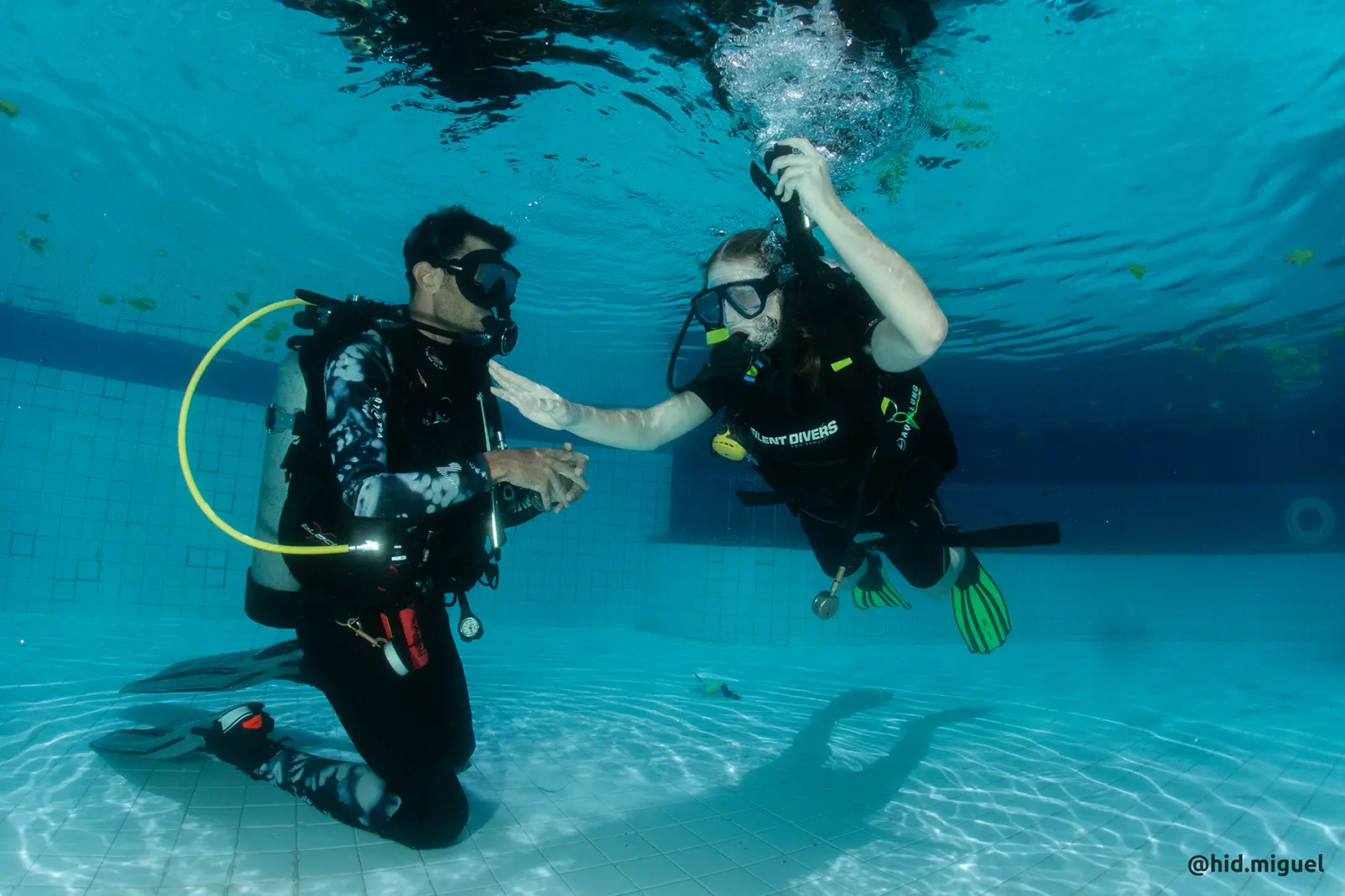
Tag 1: Flachwassereinheiten. Ausrüstungsanpassung, Atmen unter Wasser, fünf Fertigkeiteneinheiten. Die meisten Kursteilnehmer schließen alle fünf Flachwassertauchgänge im Laufe des Morgens und in den frühen Nachmittag ab.
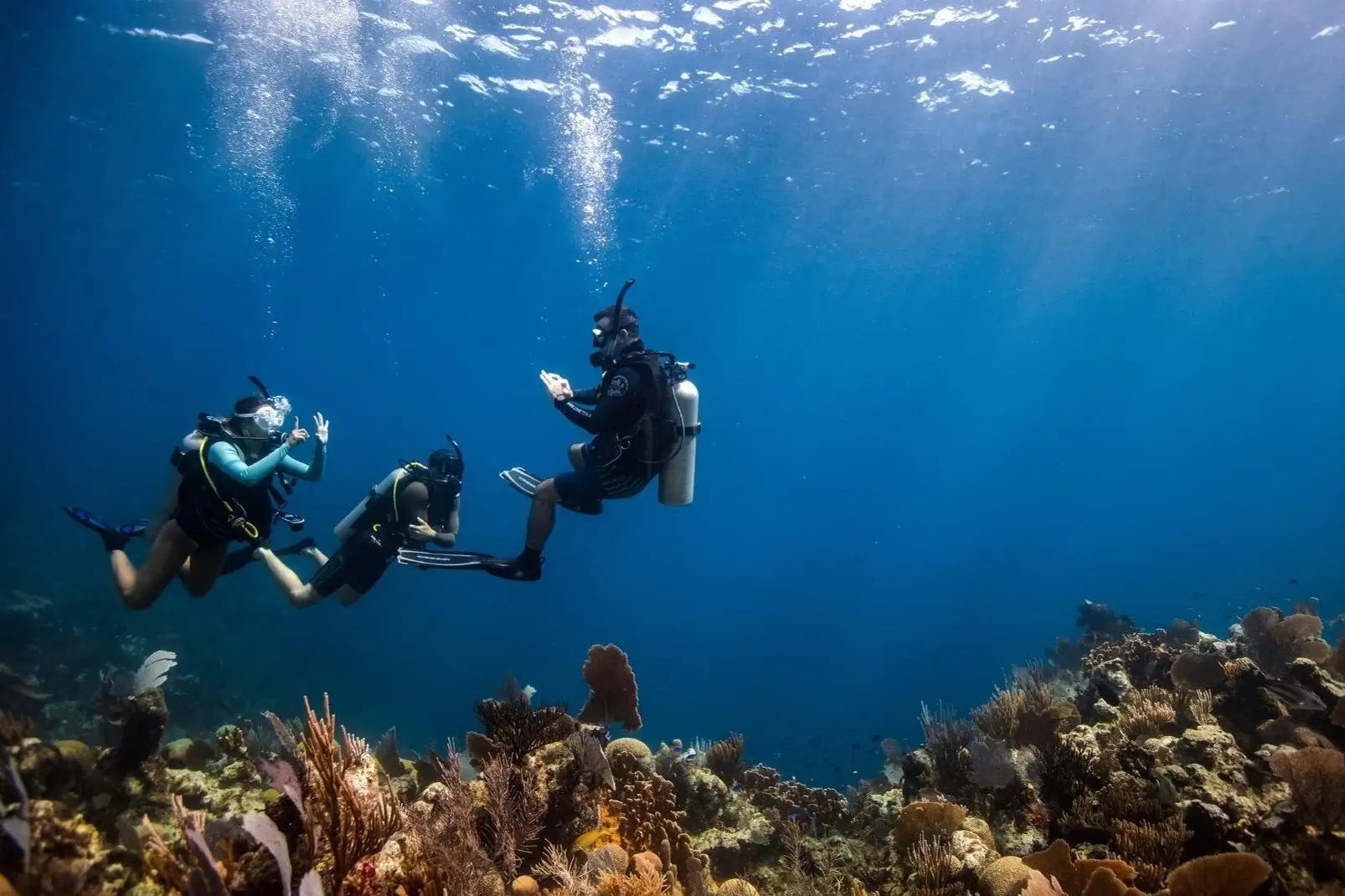
Tag 2: Freiwassertauchgänge 1 und 2 per Boot zu lokalen Tauchplätzen. Flachere Tiefen (5–12 m), Fertigkeitstraining im Ozean, Einführung ins Riff. Meist Morgenabfahrt, Rückkehr am frühen Nachmittag.
Tag 3: Freiwassertauchgänge 3 und 4. Tiefere Profile (bis 18 m), mehr autonomes Tauchen, Navigationsübung. Zertifizierung am Ende des Tages bestätigt.
Drei Tage ist komfortabel, nicht gehetzt, und lässt geistigen Raum, den Prozess wirklich zu genießen, anstatt ihn zu durchpeitschen.
Der erweiterte Zeitplan: 4 Tage
Ein vierter Tag ist angemessen, wenn:
- Ein Kursteilnehmer mehr Zeit für bestimmte Flachwasserfähigkeiten benötigt (meistens Auftrieb oder Druckausgleich)
- Wetterbedingungen einen Freiwassertauchtag verschieben
- Ein Kursteilnehmer einfach ein langsameres Tempo bevorzugt mit mehr Zeit zum Festigen der Fähigkeiten zwischen den Einheiten
Vier Tage ist kein Scheitern. Es ist die Anerkennung, dass Fertigkeitsentwicklung individuell ist. Wir geben Ihnen lieber eine zusätzliche Einheit für eine schwierige Fertigkeit, als Sie durch die Zertifizierung zu hetzen, wenn Sie nicht vollständig sicher sind.
Was beeinflusst den Zeitplan wirklich?
eLearning: Die größte Variable
Der größte Einflussfaktor auf die Dauer der Zertifizierung ist, wie gründlich Sie Ihr eLearning im Voraus machen.
Kursteilnehmer, die mit abgeschlossenem eLearning ankommen, kommen typischerweise schneller durch die Flachwasserfähigkeiten. Sie verstehen warum Techniken so funktionieren wie sie funktionieren, sodass der Ausbilder keine Theorie über körperliche Praxis legen muss. Sie stellen bessere Fragen. Sie machen weniger Fehler.
Kursteilnehmer, die ohne abgeschlossenes eLearning ankommen, erledigen es entweder an Tag 1 (was diesem Tag Stunden hinzufügt) oder verteilen es auf die Abende – was funktioniert, aber alles verlangsamt.
Praktische Empfehlung: Schließen Sie alle eLearning-Module mindestens 48 Stunden vor Ihrer ersten Pooleinheit ab. Die Module dauern insgesamt 8–10 Stunden. Beginnen Sie wenn möglich eine Woche vor Ihrer Reise.
Flachwasserfähigkeiten: Die persönliche Variable
Die fünf Flachwasser-Fertigkeitseinheiten sind der Bereich, in dem das individuelle Tempo am stärksten variiert. Manche Fähigkeiten klicken sofort; andere erfordern mehr Versuche:
Maskenabnahme – die meisten Kursteilnehmer schaffen das innerhalb von zwei oder drei Versuchen. Kräftig durch die Nase ausatmen, während man den Kopf zurückneigt. Das zögerliche Halbpusten ist der häufigste Fehler; ein kräftiges Ausatmen klärt sie vollständig.
Druckausgleich – keine Flachwasserfähigkeit im eigentlichen Sinne (in Pooltiefe braucht man ihn nicht), aber beim ersten Freiwasserabtauchen relevant. Kursteilnehmer mit Ohrenprobleme, Sinusproblemen oder die noch nie Valsalva-Druckausgleich gemacht haben, benötigen möglicherweise mehr Zeit beim Abtauchen. Die Lösung ist immer: langsam vorgehen.
Auftrieb – die Fähigkeit, die am längsten braucht zur Entwicklung. Perfekter Auftrieb ist das Ziel einer Taucherkarriere, nicht einer Tauchlernstunde. Neue Taucher sind fast immer überbleit und entweder zu schwer oder kicken versehentlich für Auftrieb. Das ist normal. Der Auftrieb verbessert sich in den vier Freiwassertauchgängen dramatisch und verbessert sich mit jedem weiteren Tauchgang.
Wetter: Die unberechenbare Variable
Wenn die Seebedingungen für Freiwassertauchgänge an einem geplanten Tag ungeeignet sind, verschieben wir. So einfach ist das. Dies kann einen Tag zum Gesamtzeitplan hinzufügen, wenn das Wetter besonders unkooperativ ist.
In Koh Samui ist dies am relevantesten während des Oktober-November-Monsunschwankungsfensters. Von Januar bis September sind Absagen wegen Wetter bei Ausbildungstauchtagen ungewöhnlich. Planen Sie Puffertage ein, wenn Sie während der Übergangsmonaten reisen.
Kann man PADI Open Water an einem Wochenende machen?
Technisch ja; praktisch hängt es davon ab, wie Ihr Wochenende aussieht.
Wenn Sie am Freitagsnachmittag ankommen und das gesamte eLearning am Donnerstag abgeschlossen haben, funktioniert der Zeitplan so:
- Freitagabend: Anmeldung, Ausrüstungsanpassung falls angeboten, etwaige letzte Wissensüberprüfung
- Samstag: Vollständiger Flachwassertag + administrative Vorbereitung
- Sonntag: Freiwassertauchgänge 1 & 2 am Morgen, Tauchgänge 3 & 4 am Nachmittag
Das ist eng. Es erfordert, dass beide Tage vollständig reibungslos verlaufen – keine Fertigkeitswiederholung, gutes Wetter, effiziente Bootswechsel. Es wurde gemacht, regelmäßig, aber es ist nicht das Erlebnis, das wir entwerfen würden, wenn wir die Wahl hätten.
Wenn Ihr Wochenende nur Samstag und Sonntag ohne Flexibilität umfasst, würden wir ehrlich sagen: Ein Montags-Abflug (oder Donnerstagabend-Ankunft) macht das Erlebnis deutlich besser.
Kann man PADI in einem Land beginnen und in einem anderen abschließen?
Ja – das ist PADIs Referral-Programm und es ist für Reisende mit engen Zeitplänen wirklich nützlich.
Die Struktur: Sie absolvieren das Flachwassertraining (die Pooleinheiten) bei einem Tauchzentrum zu Hause, reisen dann nach Koh Samui und schließen Ihre vier Freiwassertauchgänge hier ab. Sie reisen mit Ihrer vollständigen Open-Water-Zertifizierung ab.
Vorteile:
- Sie kommen in Koh Samui bereits jenseits der Pooleinheiten an – Ihre Koh-Samui-Zeit verbringen Sie mit Tauchen im Golf von Thailand, nicht in einem Pool
- Wenn schlechtes Wetter eine Verzögerung verursacht, haben Sie keine Flachwasserzeit vergeudet
Das Referral gilt bei allen PADI-Zentren weltweit. Kontaktieren Sie uns im Voraus mit Ihren Referral-Dokumenten, und wir werden Ihre Freiwassertauchgänge ab Ankunft planen.
Wie lange dauert Advanced Open Water?
Der PADI Advanced Open Water-Kurs umfasst 5 Abenteuertauchgänge über 2–3 Tage. Es gibt keine akademische Voraussetzung (obwohl es kurze Wissensüberprüfungen für jeden Tauchgang gibt).
Typischer Zeitplan:
- Tag 1: Deep Adventure Dive + Unterwassernavigation
- Tag 2: 3 Wahltauchgänge nach Wahl
Einige Kursteilnehmer machen alle 5 Tauchgänge über zwei volle Bootstauchgänge; andere verteilen sie über drei Tage, wenn sie mehr Zeit mit Spezialgebieten verbringen möchten. OWD und AOWD direkt nacheinander zu kombinieren, ist ein beliebtes Wochenprogramm – 3 Tage OWD, 2 Tage AOWD, dann Spaßtauchgänge an den verbleibenden Tagen.
Zeitplanzusammenfassung
| Weg | Gesamttage | Hinweise |
|---|---|---|
| eLearning im Voraus abgeschlossen, schneller Lernender | 2,5 Tage | Möglich, aber eng |
| Standardkurs | 3 Tage | Wie die meisten Kursteilnehmer abschließen |
| Mit Puffertag | 4 Tage | Komfortabel, empfohlen für zögerliche Anfänger |
| OWD + AOWD kombiniert | 5–6 Tage | Gute Nutzung eines Urlaubswoches |
| Referral (Flachwasser zu Hause erledigt) | 1,5–2 Tage in Koh Samui | Beste Nutzung begrenzter Zeit hier |