Die Regenzeit in Koh Samui dauert grob von Oktober bis Dezember, wobei November der Höhepunkt ist. Jedes Jahr kommen Reisende in diesem Zeitfenster an, schauen auf die Wettervorhersage und geraten in Panik. Sie haben Fotos von Überschwemmungen auf Chaweng gesehen, Horrorgeschichten in Reiseforen gelesen, und fragen sich jetzt, ob sie das Tauchen ganz aufgeben sollen.
Die ehrliche Antwort: Es hängt davon ab, genau wann Sie dort sind und wie viel Variabilität Sie ertragen können. Oktober kann ausgezeichnet sein. Ende November ist wirklich schwierig. Hier ist das vollständige Bild.
Den Nordostmonsun verstehen
Koh Samuis Regenzeit wird durch den Nordostmonsun angetrieben – ein saisonales Windmuster, das das Wetter über den Golf von Thailand auf die Ostküste der Insel drückt. Anders als bei manchen tropischen Regenzeiten, wo es kurz nachmittags regnet und sich dann aufklärt, kann der Golfmonsun mehrtägige anhaltende Niederschläge bringen.
Das Wichtigste zu verstehen: Der Monsun macht nicht jeden Tag schlecht. Er macht das Wetter unberechenbar. Sie können im November vier aufeinanderfolgende herrliche Tage haben, gefolgt von zwei Tagen mit echtem Sturm. Die Herausforderung besteht darin, dass man weit im Voraus nicht planen kann, ob Dienstag ein Sail-Rock-Tag oder ein Absagetag wird.
Diese Unberechenbarkeit ist das eigentliche Problem für Taucher – nicht der Regen an sich, sondern die Ungewissheit, ob der Tag gut wird.
Oktober: Tauglicher als sein Ruf
Oktober wird in vielen Reiseführern in einen Topf mit November geworfen, und das verdient er nicht. Die ersten zwei bis drei Wochen im Oktober sind oft wirklich gut – Reste der Septembertauchsaison, mit Bedingungen, die noch ausgezeichnet sein können.
Der Nordostmonsun baut sich typischerweise in der zweiten Oktoberhälfte auf. Selbst dann gibt es abwechselnd ruhige Phasen und raue Tage. Unsere Tauchausflüge finden statt, wenn die Bedingungen es erlauben, und der Oktober bietet viele solcher Tage.
Was im Oktober zu erwarten ist:
- Seebedingungen: Anfang Oktober meist gut, ab Mitte Oktober zunehmend wechselhaft
- Sichtweite: 10–18 m an guten Tagen, 8–12 m an raueren Tagen
- Wassertemperatur: 28 °C
- Verfügbarkeit von Tauchausflügen: Ausflüge finden die meisten Tage statt, mit gelegentlichen Absagen in der zweiten Hälfte
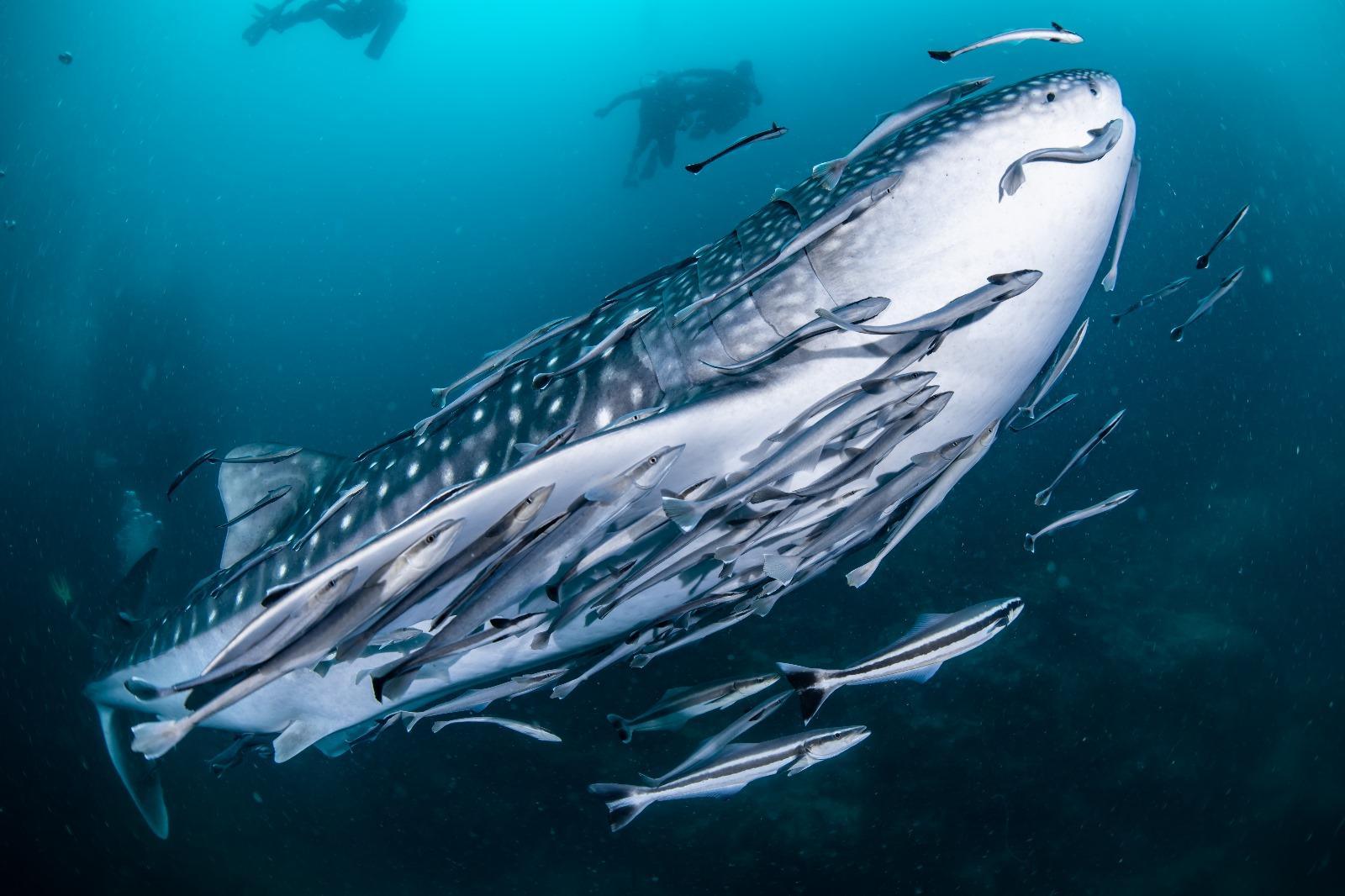
- Walhaie: Möglich – das ist das Ende des sekundären Sichtungsfensters
Wenn Sie Koh Samui im Oktober aus anderen Gründen besuchen und ein paar Tauchtage einplanen möchten, bietet Anfang Oktober gute Chancen auf gute Bedingungen. Mitte bis Ende Oktober: Buchen Sie einfach mit eingebauter Flexibilität.
November: Der schwierige Monat
Über November muss man ehrlich sein. Der Nordostmonsun ist auf voller Stärke, der Golf ist häufig rau, und Absagen von Tauchtouren sind häufig – besonders für Offshore-Plätze wie Sail Rock.
Dennoch ist es kein vollständiger Ausfall:
Was im November noch funktioniert:
- Ang Thong Marine Park liegt westlich von Koh Samui und ist deutlich besser vor dem Nordostmonsun geschützt als die Ostküsten-Tauchplätze. An Tagen, wenn Sail Rock abgesagt wird, kann Ang Thong noch tauchbar sein.
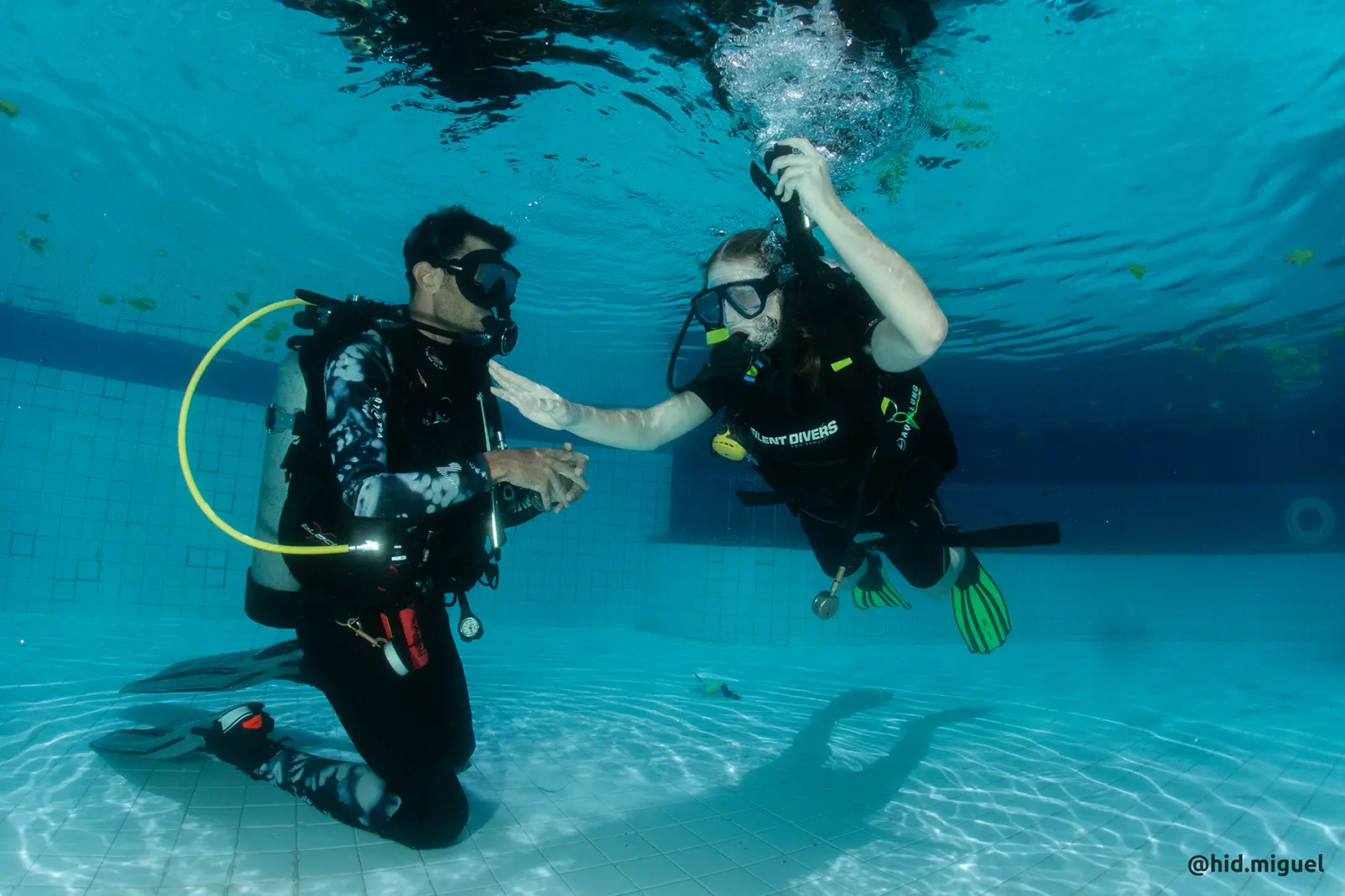
- Flachwassereinheiten und Theorieeinheiten – wenn Sie Ihren PADI-Open-Water-Kurs im November beginnen möchten, können die Theoriestunden und die Pool-/Flachwasserarbeiten unabhängig von den Seebedingungen an jedem Tag durchgeführt werden. Wir planen Ihre Freiwassertauchgänge für das beste verfügbare Wetterfenster.
- Koh-Tao-Tauchplätze – einige Buchten auf Koh Taos Westseite sind geschützt genug, um bei rauem Golf zu tauchen, obwohl die Überfahrt von Koh Samui 90 Minuten dauert und selbst rau ist.
Was beeinträchtigt wird:
- Sail-Rock-Ausflüge: Im November häufig abgesagt
- Chumphon Pinnacle: Der am stärksten exponierte Platz – oft nicht verfügbar
- Bootsabfahrten morgens: Können kurzfristig verzögert oder abgesagt werden
Unsere ehrliche Empfehlung für November: Wenn Sie speziell einen Tauchtrip planen und November die einzige Möglichkeit ist, erwägen Sie, sich an der Westküste von Koh Samui einzuquartieren (Nathon, Mae Nam), die besser geschützt ist. Alternativ: Bedenken Sie, dass Phuket im November in seine Hochsaison eintritt – das Andamanenmeer erblüht gerade.
Dezember: Die Erholung
Anfang Dezember ist noch unbeständig. Der Monsun lässt im Laufe des Monats nach, und die zweite Dezemberhälfte bietet oft ausgezeichnete Bedingungen. Zu Weihnachten ist Koh Samui in der Regel wieder auf seinem besten Niveau – klarer Himmel, ruhiger Golf, gute Sicht.
Dezember ist überraschend gut geeignet, um PADI-Kurse abzuschließen. Weniger Konkurrenz um Ausbilderzeit, Preise auf Jahrestiefststand, und Sie sind zertifiziert und bereit für die Januar-Hochsaison.
Praktische Tipps für das Tauchen in der Regenzeit
Buchen Sie mit Stornierungsrichtlinie. Jeder seriöse Tauchoperator – einschließlich uns – wird abgesagte Touren neu terminieren, anstatt Ihnen eine Tour zu berechnen, die nicht stattgefunden hat. Bestätigen Sie diese Richtlinie vor der Buchung.
Bleiben Sie bei den Terminen flexibel. Wenn Ihr Trip fünf Tage dauert und Sie im Oktober sind, versuchen Sie nicht, das gesamte Tauchen auf die ersten zwei Tage zu laden. Verteilen Sie es und nehmen Sie die guten Tage, wenn sie kommen.
Beginnen Sie Kurse bei schlechtem Wetter. PADI-Theoriestunden (Videos, Quiz) und Flachwassertauchgänge können an jedem Tag stattfinden. Wenn das Meer am Dienstag rau ist, ist das Ihr Theorietag. Die Freiwassertauchgänge finden am Mittwoch statt, wenn es sich klärt.
Fragen Sie das Tauchzentrum am Morgen. Die Bedingungen ändern sich. Wir verfolgen täglich die Wettervorhersagen und kommunizieren frühzeitig. Treffen Sie die Entscheidung nicht selbst von Ihrem Hotelzimmer aus – fragen Sie uns. Wir möchten Sie mehr ins Wasser bringen als Sie selbst.
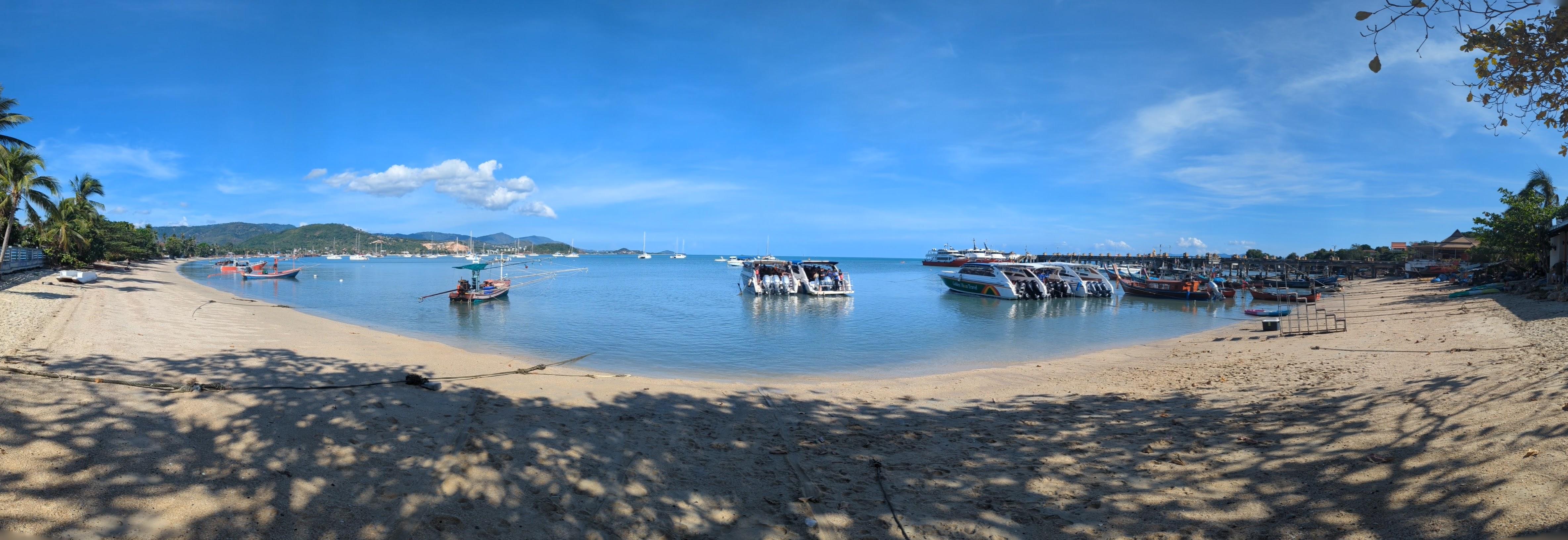
Erwägen Sie die Westküste von Samui. Chaweng liegt im Osten und bekommt den vollen Nordostmonsun ab. Mae Nam und Nathon an der Nord- und Westküste sind spürbar ruhiger. Wenn Tauchen und Strandzeit beide auf dem Programm stehen während eines schwierigen Novemberfensters, macht die Positionierung auf der geschützten Seite einen Unterschied.
Was Sie nicht verpassen: Das Meeresleben ist noch da
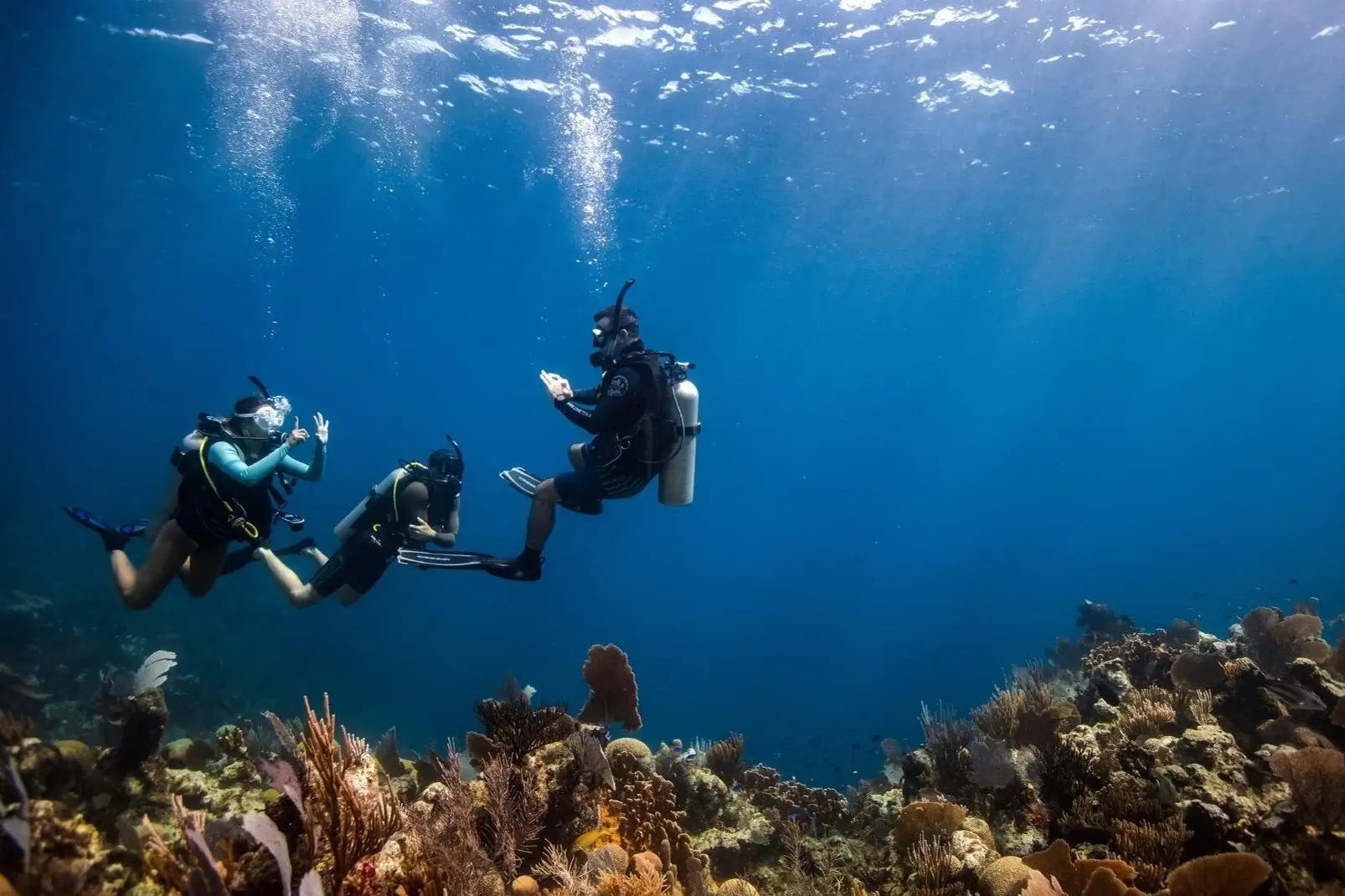
Regen und Wind vertreiben die Fische nicht. Das Riff bei Sail Rock, Chumphon und Koh Tao ist im Oktober genauso lebendig wie im April – und in mancher Hinsicht dramatischer, da sich das Verhalten der Fische mit den wechselnden Wasserbedingungen verändert.
Wenn sich der Golf während eines Regenzeitfensters beruhigt, erleben Sie manchmal das beste Tauchen des Jahres. Das Plankton, das sich in der Monsunzeit ansammelt, konzentriert Köderfische. Die Köderfische ziehen Raubtiere an. Ein ruhiger Tag im Oktober oder November nach einer Woche Monsunwetter kann außergewöhnliche Begegnungen bringen.