La saison des pluies de Koh Samui s’étend environ d’octobre à décembre, novembre étant le pic. Chaque année, un certain nombre de visiteurs arrivent pendant cette période, consultent les prévisions et paniquent. Ils ont vu des photos d’inondations à Chaweng, lu des histoires d’horreur sur des forums de voyage, et se demandent maintenant s’ils doivent totalement renoncer à la plongée.
La réponse honnête : cela dépend de la période exacte de votre séjour et de votre tolérance à la variabilité. Octobre peut être excellent. Fin novembre est véritablement difficile. Voici la situation dans son ensemble.
Comprendre la mousson du nord-est
La saison des pluies de Koh Samui est causée par la mousson du nord-est — un régime de vent saisonnier qui pousse les intempéries depuis le Golfe de Thaïlande vers la côte est de l’île. Contrairement à certaines saisons des pluies tropicales où il pleut brièvement chaque après-midi avant de se dégager, la mousson du Golfe peut apporter des pluies soutenues sur plusieurs jours.
Le point essentiel à comprendre : la mousson ne rend pas chaque jour mauvais. Elle rend la météo imprévisible. Vous pouvez avoir quatre jours brillants consécutifs en novembre suivis de deux jours de vrai temps orageux. Le défi, c’est qu’il est impossible de planifier longtemps à l’avance.
Cette imprévisibilité est le vrai problème pour les plongeurs — pas la pluie elle-même, mais le fait de ne pas savoir si mardi sera une journée Sail Rock ou une journée d’annulation.
Octobre : plus plongeable que sa réputation
Octobre est souvent mis dans le même panier que novembre dans beaucoup de guides de voyage, et ce n’est pas mérité. Les deux à trois premières semaines d’octobre sont souvent vraiment bonnes — des restes de la saison de plongée de septembre, avec des conditions qui peuvent encore être excellentes.
La mousson du nord-est s’installe généralement dans la deuxième moitié d’octobre. Même alors, on alterne entre des périodes de temps calme et des jours agités. Nos sorties de plongée ont lieu dès que les conditions le permettent, et octobre offre de nombreux jours favorables.
À quoi s’attendre en octobre :
- Conditions en mer : Généralement bonnes début octobre, de plus en plus variables à partir de mi-octobre
- Visibilité : 10–18 m les bonnes journées, 8–12 m les jours plus agités
- Température de l’eau : 28°C
- Disponibilité des sorties : Les sorties ont lieu la plupart des jours, avec des annulations occasionnelles en deuxième moitié
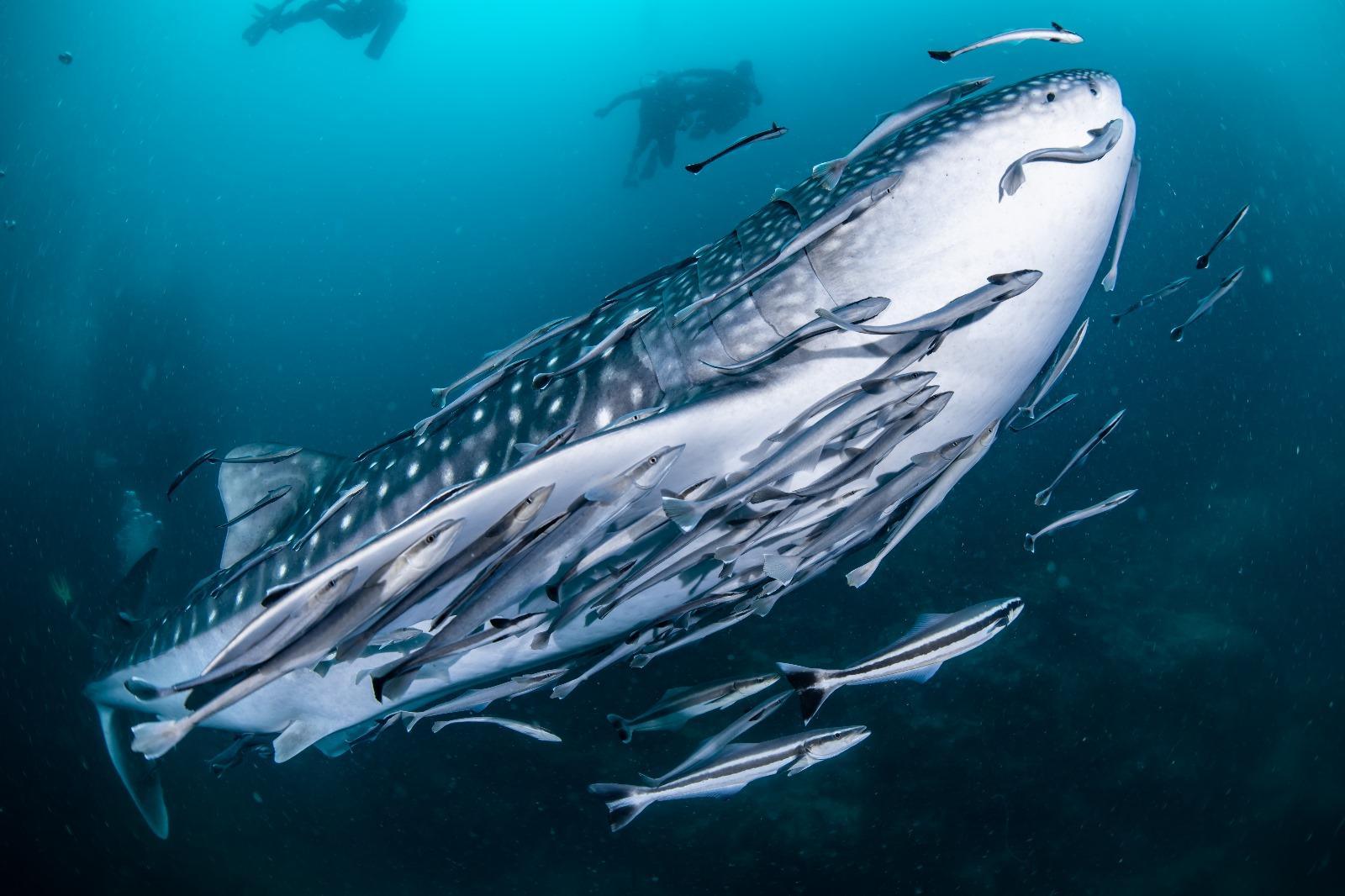
- Requins baleines : Possible — c’est la fin de la deuxième fenêtre d’observations
Si vous visitez Koh Samui en octobre pour d’autres raisons et souhaitez placer quelques journées de plongée, début octobre vous offre de bonnes chances de conditions favorables. Mi-octobre et après, réservez avec de la flexibilité prévue.
Novembre : le mois difficile
Novembre est le mois qu’il faut aborder honnêtement. La mousson du nord-est est à pleine puissance, le Golfe est fréquemment agité, et les annulations de sorties de plongée sont courantes — en particulier pour les sites au large comme Sail Rock.
Cela dit, ce n’est pas une saison totalement perdue :
Ce qui fonctionne encore en novembre :
- Le Parc marin d’Ang Thong se trouve à l’ouest de Koh Samui et est considérablement plus abrité de la mousson du nord-est que les sites de la côte est. Les jours où Sail Rock est annulé, Ang Thong peut encore être plongeable.
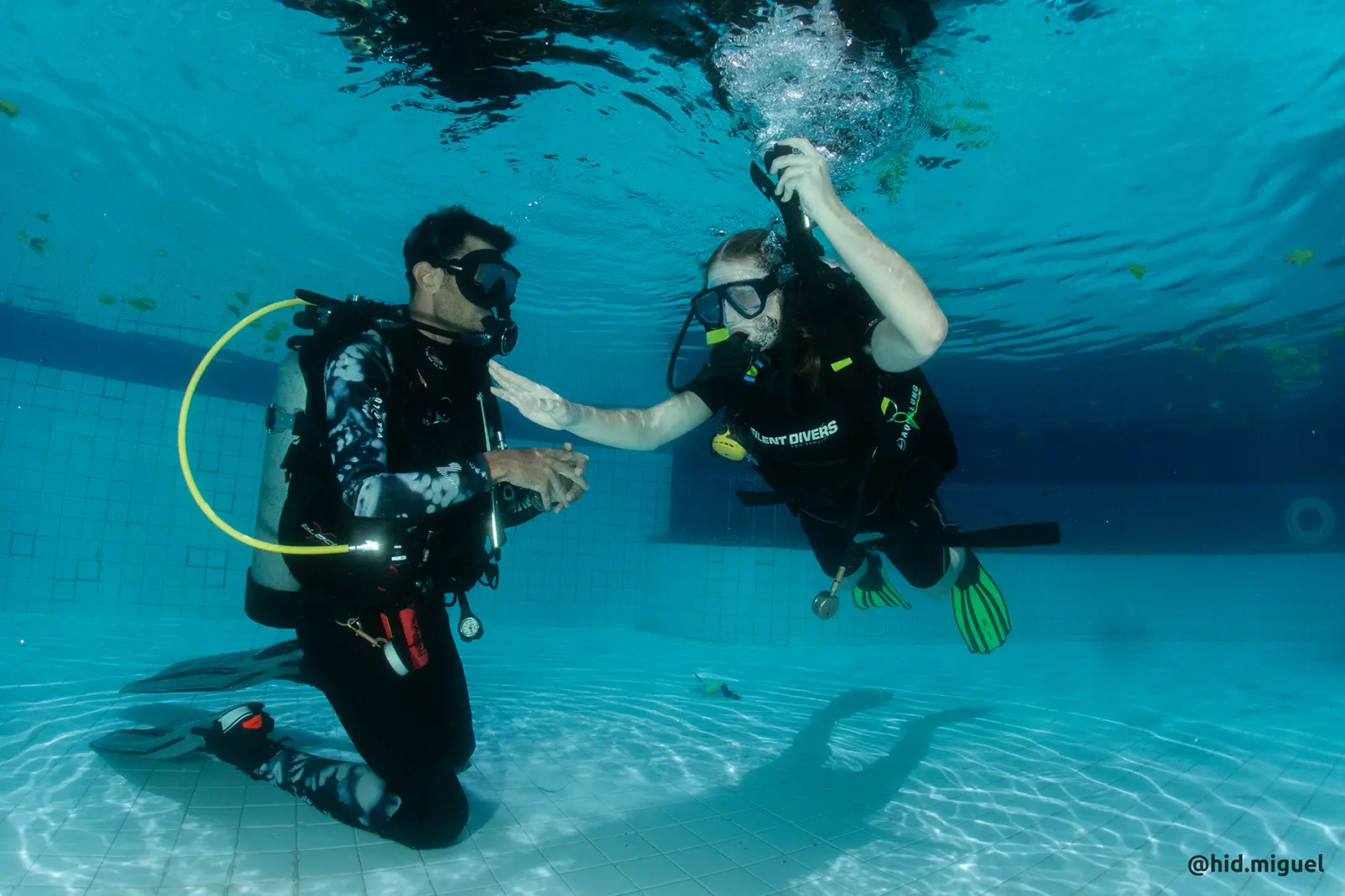
- Les sessions en eau confinée et académiques — si vous souhaitez commencer votre cours PADI Open Water en novembre, les sessions théoriques et les plongées en piscine/eau confinée peuvent se faire n’importe quel jour, quelles que soient les conditions en mer. Nous planifions vos plongées en mer pour la meilleure fenêtre météo disponible.
- Les sites de plongée de Koh Tao — certaines baies sur le côté ouest de Koh Tao sont suffisamment abritées pour plonger quand le Golfe est agité, bien que la traversée depuis Koh Samui prenne 90 minutes et soit elle-même agitée.
Ce qui est affecté :
- Sorties à Sail Rock : Fréquemment annulées en novembre
- Chumphon Pinnacle : Le site le plus exposé — souvent indisponible
- Départs matinaux en bateau : Peuvent être retardés ou annulés à court préavis
Notre recommandation honnête pour novembre : Si vous planifiez spécifiquement un voyage de plongée et que novembre est la seule option, envisagez de vous baser sur la côte ouest de Koh Samui (Nathon, Mae Nam), plus abritée. Vous pouvez aussi considérer que Phuket en novembre entre dans sa haute saison — la mer d’Andaman est alors magnifique.
Décembre : la reprise
Début décembre est encore imprévisible. La mousson se calme au fil du mois, et la seconde moitié de décembre offre souvent d’excellentes conditions. À Noël, Koh Samui retrouve généralement son meilleur visage — ciel dégagé, Golfe calme, bonne visibilité.
Décembre est un mois étonnamment favorable pour passer des cours PADI. Moins de concurrence pour le temps des instructeurs, les prix à leur niveau annuel le plus bas, et vous serez certifié et prêt pour la haute saison de janvier.
Conseils pratiques pour la plongée en saison des pluies
Réservez avec une politique d’annulation. Tout opérateur de plongée sérieux — y compris nous — reprogrammera les sorties annulées plutôt que de vous les facturer. Confirmez cette politique avant de réserver.
Restez flexible sur les dates. Si votre séjour est de cinq jours en octobre, n’essayez pas de concentrer toute votre plongée les premiers jours. Étalez-la et profitez des bonnes journées quand elles se présentent.
Commencez les cours pendant le mauvais temps. Les sessions académiques PADI (vidéos, quiz) et les plongées en eau confinée peuvent se faire n’importe quel jour. Si la mer est agitée mardi, c’est votre journée théorie. Les plongées en mer se font mercredi quand ça se calme.
Appelez le centre de plongée le matin même. Les conditions changent. Nous suivons les prévisions quotidiennement et communiquons tôt. Ne prenez pas la décision depuis votre chambre d’hôtel — appelez-nous. Nous voulons encore plus que vous vous que vous soyez dans l’eau.
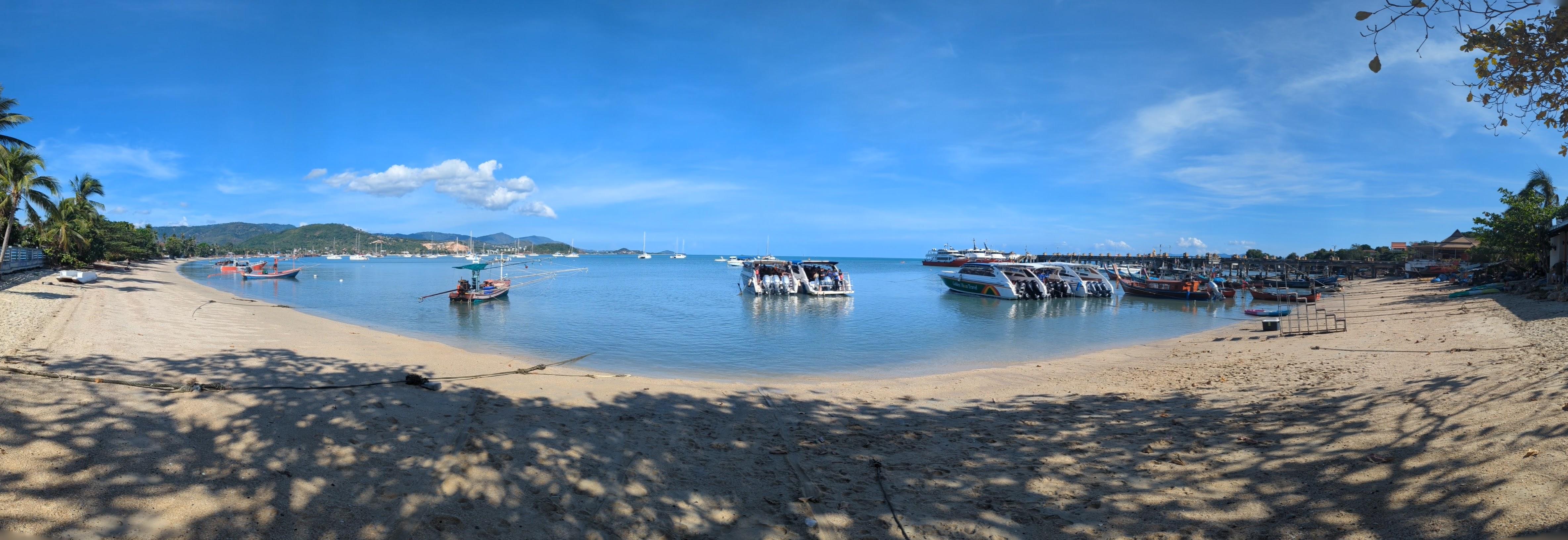
Considérez la côte ouest de Samui. Chaweng fait face à l’est et reçoit la pleine mousson du nord-est. Mae Nam et Nathon, au nord et à l’ouest, sont notablement plus calmes. Si la plongée et la plage sont toutes deux au programme pendant une fenêtre difficile de novembre, vous positionner du côté abrité fait une vraie différence.
Ce que vous ne manquerez pas : la vie marine est toujours là
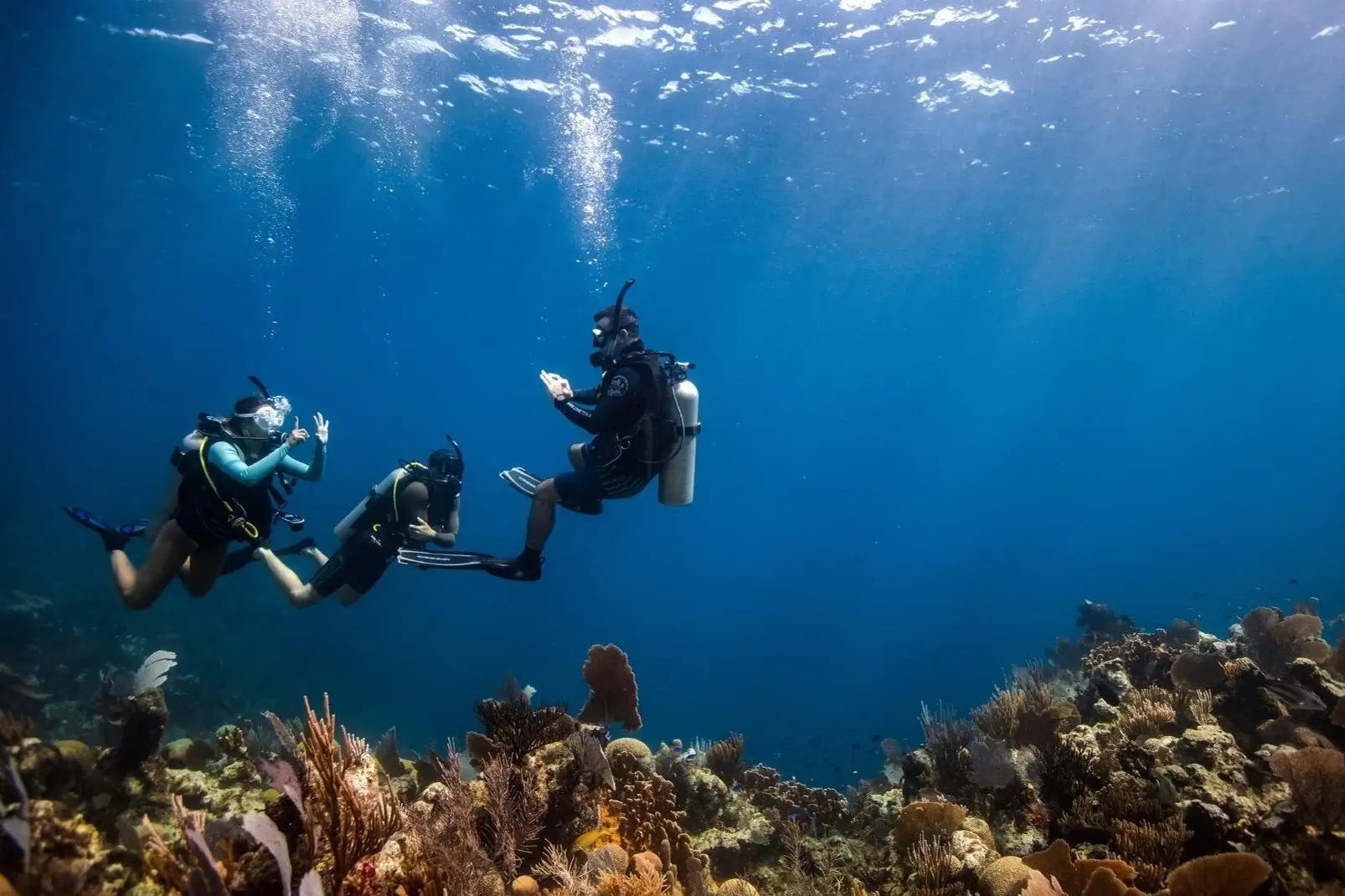
La pluie et le vent ne font pas fuir les poissons. Le récif à Sail Rock, Chumphon et Koh Tao est aussi vivant en octobre qu’en avril — et à certains égards plus spectaculaire, avec des comportements des poissons qui changent au gré des conditions de l’eau.
Quand le Golfe se calme pendant une fenêtre de la saison des pluies, on obtient certaines des meilleures plongées de l’année. Le plancton qui se développe pendant la saison de la mousson concentre les poissons appâts. Les poissons appâts attirent les prédateurs. Une journée calme en octobre ou novembre, après une semaine de météo de mousson, peut produire des rencontres extraordinaires.