La mayoría de los que visitan Tailandia por primera vez pasan semanas agonizando entre Koh Samui y Phuket. Ambas son tropicales, hermosas y con infinitas posibilidades fotográficas. La diferencia real —la que realmente determina si pasarás las vacaciones en una tumbona o refugiándote de un aguacero— no son las playas ni la vida nocturna. Es el calendario meteorológico.
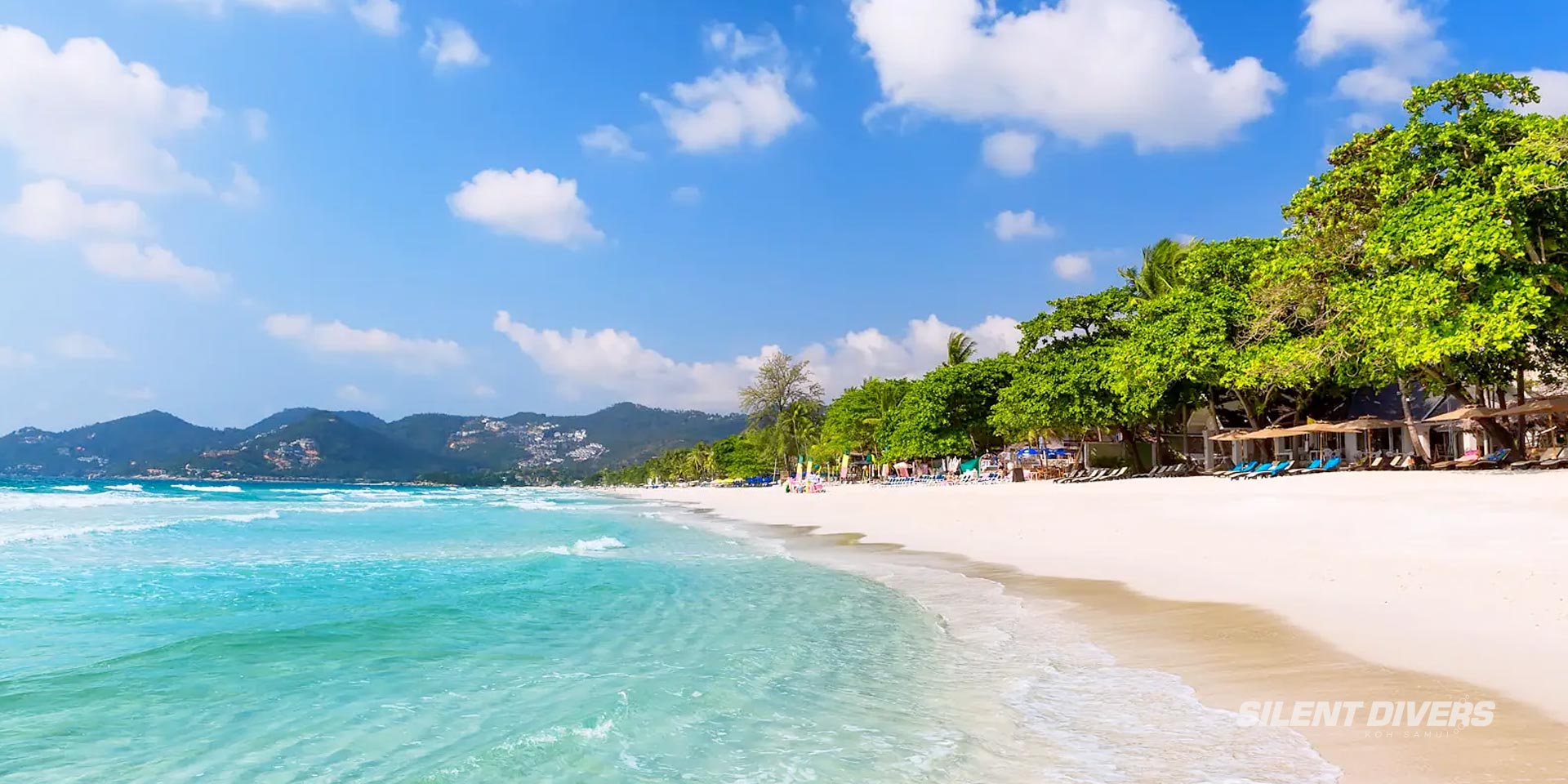
Koh Samui está en el Golfo de Tailandia, en la costa este. Phuket está en el Mar de Andamán, en la costa oeste. Ese único dato geográfico significa que están gobernadas por sistemas de monzón completamente diferentes, y su punto máximo y mínimo se produce en momentos casi opuestos del año.
Entender esto es genuinamente útil. Significa que casi siempre hay una isla en mejor estado que la otra. Y si vienes específicamente para bucear —que, si estás leyendo esto desde la web de un centro de buceo, probablemente es así— marca una diferencia enorme.
Los Dos Sistemas de Monzón Explicados
Tailandia se encuentra entre dos patrones de vientos estacionales que se alternan a lo largo del año.
El monzón del suroeste (aproximadamente de mayo a octubre) golpea con fuerza a Phuket y la costa del Andamán. Las playas orientadas al oeste reciben todo su impacto: mar agitado, lluvia y mala visibilidad bajo el agua. Muchos liveaboards del Andamán dejan de operar completamente. Koh Samui, protegida en la costa este, apenas lo nota.
El monzón del noreste (aproximadamente de noviembre a enero) invierte la situación. Ahora es el Golfo de Tailandia el que recibe el tiempo: Koh Samui tiene sus meses más lluviosos de octubre a diciembre, siendo noviembre el más húmedo de todos. Mientras tanto, Phuket está completamente seca y entrando en su mejor temporada turística.
Ningún monzón es una barrera absoluta para viajar: Koh Samui recibe visitantes durante todo el año, e incluso durante su temporada húmeda tendrás muchos días despejados. Pero los picos y los valles importan, especialmente si estás planificando un viaje de buceo en torno a ventanas de tiempo.
Mes a Mes: Koh Samui vs. Phuket
Enero
Koh Samui: Excelente. El monzón del noreste está amainando y Samui entra en su período más seco. Cielos despejados, aguas tranquilas en el Golfo, temperatura del agua de 28–30 °C. Las condiciones de buceo están en su mejor momento.
Phuket: También excelente. Plena temporada del Andamán: mar en calma, días soleados largos, Islas Similanes completamente abiertas. Si quieres bucear en ambas costas, enero es uno de los pocos meses en que ambas islas brillan.
Febrero
Koh Samui: Temporada alta. Seco, cálido y brillante para el buceo. Visibilidad en el Golfo de 15–25 m típicamente. Avistamientos ocasionales de tiburones ballena en Sail Rock desde finales de febrero.
Phuket: Temporada alta. Muy similar a enero: probablemente el mejor mes singular de Phuket.
Marzo
Koh Samui: Sigue muy bien. Un poco más cálido (30–32 °C), ligeramente más probabilidad de chubascos por la tarde, pero el buceo sigue siendo excelente. La temporada de tiburones ballena en Sail Rock comienza en serio: de marzo a mayo es la primera ventana punta.
Phuket: Excelente. Uno de los mejores meses en el Andamán: cálido, claro, mares tranquilos.
Abril
Koh Samui: Cálido y mayormente seco. Un gran mes para combinar playa y buceo. Temperatura del agua de 29 °C. Los avistamientos de tiburones ballena están en su mayor frecuencia durante abril y hasta mayo.
Phuket: Bueno pero en transición. El monzón del suroeste empieza a formarse a finales de abril. En general, el buceo sigue siendo bueno durante la mayor parte del mes.
Mayo
Koh Samui: Muy buenas condiciones, a pesar de ser técnicamente el inicio del monzón de Phuket. El lado del Golfo se mantiene relativamente tranquilo. La actividad de tiburones ballena en Sail Rock continúa: a menudo es el mejor mes para encuentros.
Phuket: Llega el monzón. El mar se agita en el Andamán y las condiciones de buceo se deterioran rápidamente. La mayoría de los visitantes y barcos de buceo migran hacia el este o se quedan en tierra.
Junio
Koh Samui: El punto dulce subestimado de Koh Samui. El tiempo es en su mayor parte bueno, hay pocos turistas (después de la Semana Santa europea y antes del verano) y las condiciones de buceo son sólidas. No es el pico de tiburones ballena, pero la acción pelágica en Sail Rock y Chumphon sigue siendo fuerte.
Phuket: Pleno monzón. No recomendable si el buceo es la prioridad.
Julio
Koh Samui: Buenas condiciones generales con ocasionales chubascos breves por la tarde. La visibilidad se mantiene decente. Es pleno verano europeo, así que los hoteles se llenan, pero el tiempo es favorable.
Phuket: El monzón continúa. Difícil en las playas orientadas al oeste. Algo de buceo posible en bahías protegidas, pero los sitios pelágicos como los Similanes son en gran medida inaccesibles.
Agosto
Koh Samui: En su mayor parte bien. Chubascos breves posibles pero raramente problemáticos. Un mes muy habitable tanto para la playa como para el buceo. La segunda ventana de tiburones ballena empieza a formarse desde agosto.
Phuket: El monzón continúa. Generalmente no recomendable para el buceo.
Septiembre
Koh Samui: El tiempo empieza a cambiar. Septiembre registra un aumento de las lluvias a medida que Koh Samui se acerca a su temporada húmeda. Todavía hay muchos días despejados, pero espera más nubosidad y chubascos ocasionales intensos. El buceo continúa: la visibilidad puede verse afectada cerca de la superficie, pero el agua más profunda se mantiene clara.
Phuket: Cola del monzón. Las condiciones mejoran gradualmente pero siguen siendo impredecibles.
Octubre
Koh Samui: Comienza el período más húmedo. De octubre a noviembre son los meses más lluviosos de Samui: es cuando el monzón del noreste se establece de verdad. Los aguaceros intensos son habituales, especialmente en la segunda quincena de octubre. Las salidas de buceo siguen realizándose, pero las condiciones del mar pueden ser difíciles y algunos días se cancelan.
Phuket: El monzón se levanta. La temporada seca de Phuket comienza a mediados o finales de octubre y las condiciones mejoran rápidamente. Un buen momento para llegar si puedes aguantar el final del tiempo difícil.
Noviembre
Koh Samui: El peor mes del año. El monzón del noreste está en plena fuerza: Samui está realmente empapada en noviembre, con inundaciones frecuentes en la costa este. El buceo sigue realizándose en días adecuados, pero la planificación con antelación es difícil y las cancelaciones ocurren. La costa oeste y norte de Samui están más protegidas y son mucho más agradables.
Phuket: Mejorando rápidamente. A mediados de noviembre, Phuket está firmemente en su temporada seca. El giro es casi perfectamente simétrico.
Diciembre
Koh Samui: El monzón empieza a amainar. Principios de diciembre puede seguir siendo inestable, pero la segunda mitad mejora significativamente. En Navidad, Samui suele estar magnífica de nuevo. Buen momento para visitar si quieres aprovechar el período de hombro antes de los precios de temporada alta de enero.
Phuket: Comienza la temporada alta. Excelentes condiciones durante todo el mes. Las Islas Similanes abiertas para el buceo (normalmente de octubre a mayo).
La Conclusión Estratégica
Si estás planificando un viaje a Tailandia y la flexibilidad está sobre la mesa, el complemento es claro:
- Phuket en su mejor momento: De noviembre a abril
- Koh Samui en su mejor momento: De diciembre a agosto (con el pico de enero a mayo)
Los meses en que ambas coinciden positivamente son enero, febrero y marzo: si estás planificando un viaje de varias islas, esta ventana te da lo mejor de ambas costas sin compromisos.
El mes en que más claramente se invierten es noviembre–diciembre: Phuket está seca y espléndida mientras que Koh Samui está terminando su monzón.
Por Qué los Buceadores Deben Prestar Especial Atención a Esto
Para los no buceadores, un día de lluvia en Tailandia es un inconveniente. Para los buceadores, el tiempo afecta directamente a si tu salida se realiza o no: el oleaje superficial, la corriente y la visibilidad reducida son factores reales.
El Golfo de Tailandia se considera generalmente un entorno de buceo más apto para principiantes que el Mar de Andamán. El agua es más cálida de media (28–30 °C vs. 26–29 °C), las corrientes son más suaves, y los sitios de buceo accesibles desde Koh Samui —Sail Rock, Chumphon Pinnacle, Koh Tao y el Parque Marino de Ang Thong— son accesibles durante todo el año excepto con el peor tiempo de noviembre.
El Mar de Andamán ofrece una topografía más dramática (las Islas Similanes, Richelieu Rock, Hin Daeng) y es el mejor destino para el buceo técnico y los liveaboards. Pero esos sitios son inaccesibles de mayo a octubre.
La conclusión práctica para los buceadores: Si vienes de enero a agosto, Koh Samui es excepcional. Si estás planificando un viaje en noviembre o febrero y específicamente quieres el buceo del Andamán, haz de Phuket tu base. Y si el objetivo es bucear en ambas costas, la ventana de enero a marzo es tu período.
Tiburones Ballena: La Mayor Variable Dependiente del Tiempo
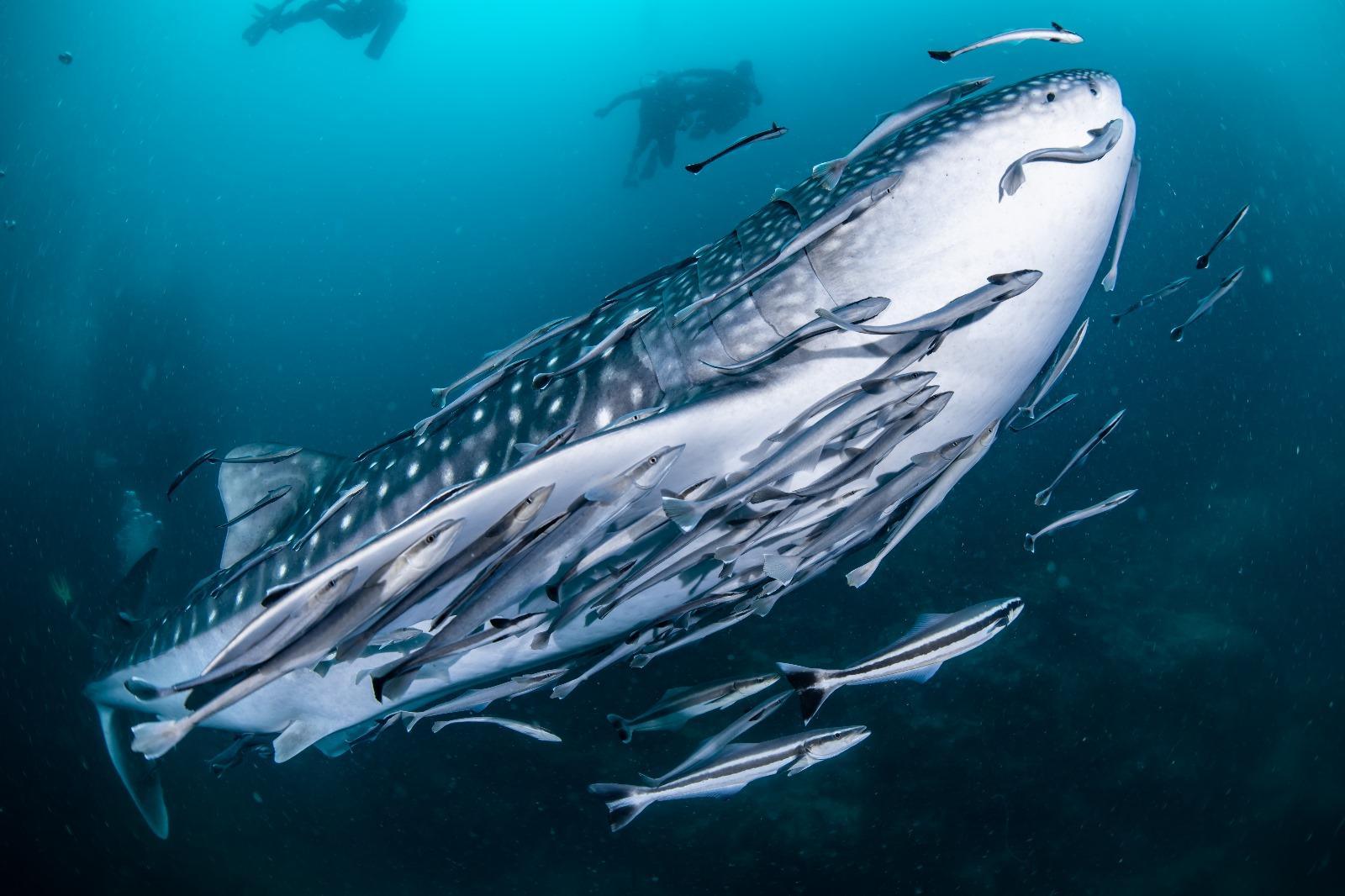
Ninguna guía sobre el buceo en el Golfo de Tailandia está completa sin mencionar los tiburones ballena. Y ningún otro factor es tan dependiente de la temporada.
Sail Rock — a 50 minutos de Koh Samui en lancha rápida— es uno de los sitios de tiburones ballena más fiables del Sudeste Asiático. Las ventanas principales son:
- De marzo a mayo: El período más consistente. La temperatura del agua sube, el plancton florece y los tiburones ballena lo siguen. Un alto porcentaje de nuestras salidas en abril–mayo encuentran al menos uno.
- De agosto a octubre: Una segunda ventana, algo menos predecible. Los avistamientos bajan en noviembre cuando el tiempo empeora.
Los encuentros también ocurren fuera de estas ventanas: hemos tenido avistamientos de tiburones ballena en todos los meses del año. Pero si el encuentro con un tiburón ballena es el objetivo específico, planifica tu viaje a Koh Samui para finales de marzo hasta mayo.