Der Golf von Thailand steht im Radar der meisten amerikanischen Taucher nicht. Bonaire, Cozumel, die Cayman Islands, die Florida Keys, Roatan – das sind die Namen, die in US-Tauchkreisen auftauchen. Sie sind ausgezeichnet, zugänglich und haben Jahrzehnte an Reputation bei amerikanischen Tauchern aufgebaut.
Aber Thailand steht in einer anderen Liga für das, was es unter Wasser bietet. Sail Rock hat Walhai-Begegnungsraten, die Bonaire nicht annähernd erreicht. Die Fischschwärme am Chumphon Pinnacle – zehntausende von Chevron-Barrakudas in koordinierter Formation – sind ein Anblick, der im Atlantik nirgendwo existiert. Und das warme, klare, ruhige Wasser des Golfs von Thailand läuft den Großteil des Jahres durch, ohne die Hurrikan-Saisonbeschränkungen, die das Karibik-Timing diktieren.
Der Kompromiss ist der Flug. Er ist lang. Aber für den richtigen Taucher – jemanden, der die Karibik kennt und sehen möchte, wie der Rest der Welt aussieht – ist Koh Samui eine der besten Langstrecken-Tauchentscheidungen.
Dieser Leitfaden ist speziell für amerikanische Besucher geschrieben: Flüge aus den USA, Kosten in Dollar, Visainformationen, Schul- und Urlaubstiming und ein ehrlicher Vergleich mit den Zielen, die die meisten US-Taucher bereits kennen.
Koh Samui vs. Ihre karibischen Optionen
vs. Bonaire
Bonaire ist der Goldstandard für Ufertauchen in der Karibik – konsistent, zugänglich und wirklich ausgezeichnetes Rifftauchen. Aber Bonaires pelagische Aktivität ist begrenzt. Die Fischschwärme, die die besten Golfplätze von Thailand definieren, existieren in Bonaires Gewässern einfach nicht in diesem Ausmaß. Bonaire gewinnt bei Einfachheit und Muck-Diving; Koh Samui gewinnt bei Spektakel.
Kostenvergleich: Eine Woche in Bonaire von der US-Ostküste – Flüge ($600–$900 Hin- und Rückflug von MIA oder JFK) plus Unterkunft und Tauchpakete ($1.200–$2.000) – kostet $1.800–$2.900 pro Person. Eine Woche in Koh Samui von der Westküste kostet $2.200–$3.200 alles inklusive. Der Kostenunterschied entspricht ungefähr dem Preis des längeren Fluges.
vs. Cozumel
Cozumels Wandtauchen ist hervorragend – das Palancar-Riffsystem ist eines der feinsten in der westlichen Hemisphäre. Aber Cozumel ist Drifttauchen in starken Strömungen an Wänden; Koh Samui ist Pinnakeltauchen mit Pelagischen in offenem Wasser. Das sind unterschiedliche Erfahrungen. Cozumel gewinnt bei Zugänglichkeit aus den USA; Koh Samui gewinnt bei Vielfalt und Ausmaß der Meereslebensbegegnungen.
vs. Cayman Islands
Grand Cayman ist teuer – vergleichbar mit einem Koh-Samui-Budget insgesamt, aber für deutlich weniger dramatisches Tauchen. Die Caymans sind schön, gut verwaltet und zuverlässig. Sie haben keine Walhaie an einem spezifischen vorhersehbaren Platz. Sie haben nicht Chumphon Pinnacles Weichkorallendichte. Die Caymans sind die richtige Wahl, wenn Sie maximale Einfachheit wollen; Koh Samui ist die richtige Wahl, wenn Sie maximale Erfahrung wollen.
vs. Malediven und Indonesien
Das sind die einzigen Ziele, die Koh Samui klar übertreffen. Die Malediven auf ihrem Besten (Hammerhead Point, Nordmalé-Kanäle) sind außergewöhnlich – aber bei $4.000–$7.000+ pro Person pro Woche inklusive Flügen aus den USA ist das eine andere Budgetkategorie. Indonesiens Raja Ampat und Komodo sind das weltbeste Tauchen – wieder zu einem Preis und einer Logistikkomplexität, die sie in eine andere Planungsebene setzen. Koh Samui sitzt in einem Sweet Spot: deutlich besser als die Karibik für erfahrene Taucher, dramatisch erschwinglicher als der Indische Ozean und Indonesien.
Anreise aus den USA
Flüge
Die häufigste Route führt über Bangkok Suvarnabhumi (BKK), dann eine 75-minütige Inlandsverbindung nach Koh Samui (USM) mit Bangkok Airways. Bangkok Airways fliegt den ganzen Tag BKK–Samui – im Voraus buchen, da die Route beliebt ist und die Preise nahe am Abflugdatum steigen.
Beste Routen aus den USA:
Von Los Angeles (LAX) und San Francisco (SFO):
- EVA Air über Taipeh (TPE) – oft die beste Kombination aus Preis und Zeitplan. Ca. 18–20 Stunden insgesamt.
- Korean Air über Seoul (ICN) – ausgezeichneter Service, wettbewerbsfähige Preise.
- China Airlines über Taipeh – eine weitere solide Option von der Westküste.
- Japan Airlines / ANA über Tokio – etwas längere Route, aber Premium-Produkt.
Von New York (JFK) und Ostküste:
- 3–5 Stunden zu Westküstenzeiten hinzufügen. Korean Air über Seoul, EVA über Taipeh und Thai Airways über Bangkok sind die Hauptoptionen. Einstopprouten sind Standard.
- Qatar Airways über Doha und Emirates über Dubai sind von JFK wettbewerbsfähig und bieten ausgezeichnete Preise, obwohl sie westwärts statt ostwärts führen, was die Gesamtreisezeit etwas verlängert.
Von Chicago (ORD), Dallas (DFW), Miami (MIA):
- Über LAX oder einen Golfhub verbinden. Qatar und Emirates bieten Durchticketierung aus diesen Städten.
Was zu zahlen ist: $900–$1.400 Hin- und Rückflug von der Westküste in der Nebensaison. $1.100–$1.700 von der Ostküste. Juli–August und Dezember–Januar haben Premiumpreise; Mai, Juni, September und Oktober sind die besten Preis-Leistungs-Fenster.
Tipp: Verwenden Sie Google Flights mit dem „Erkunden”-Tool, um die günstigsten Datumsbereiche zu finden. Wochenabreisen (Dienstag/Mittwoch) unterbieten konsequent Wochenendtarife.
Jetlag-Strategie
Bangkok ist UTC+7. Von der US-Westküste aus sind das 14–15 Stunden voraus (13 Stunden im Sommer). Von der Ostküste aus 11–12 Stunden. Die Überquerung ist lang genug, dass die meisten Reisenden einen Tag zur Anpassung benötigen. Planen Sie Ihren ersten Tauchtag für Tag 2 oder 3 nach der Ankunft. Ein schnelles Discover Scuba oder flacher Rifftauchgang an Tag 2 ist in Ordnung; sparen Sie sich die tiefen Profile bei Sail Rock für wenn Sie ordentlich geschlafen haben.
Wann zu gehen: Amerikanisches Reise-Timing
März bis Mai – Das beste Fenster
Die Tauchhochsaison deckt sich gut mit den US-Frühlingsferien und dem Zeitraum kurz vor den Sommerschulferien. März bis Mai bedeutet: Walhaisaison auf ihrem Höhepunkt, 15–25 m Sicht, 29–30 °C Wasser und ruhige Meere. Wenn Ihr Zeitplan flexibel ist, ist jede Aprilwoche im Wesentlichen perfekt.
Frühlingsferien (März): Ausgezeichnetes Timing. Walhaie beginnen ihre Hauptsaison bei Sail Rock. Frühzeitig Unterkunft buchen – Koh Samuis Strandresorts sind im März bei europäischen und asiatischen Touristen beliebt.
April–Mai: Das Hauptwalhaisaison-Fenster. Wassertemperaturen auf ihrem Höhepunkt. Mai ist besonders gut für US-Westküstenreisende – die Preise fallen leicht gegenüber dem März–April-Höchststand und die Bedingungen bleiben ausgezeichnet.
Sommer (Juni–August) – Sehr gut
Juni bis August funktioniert gut für amerikanische Familien und alle mit Sommerterminflexibilität. Bedingungen sind sehr gut – 12–20 m Sicht, warmes Wasser, konsistentes Tauchen. Nicht ganz der Höhepunkt der Frühjahressaison, aber wirklich ausgezeichnet. Die Walhaifrequenz sinkt im Juni und Juli, bevor sie ab August wieder zunimmt.
Juli und August sind Hochsaison für Koh Samui insgesamt – es ist die Periode, in der europäische Sommerferien die belebteste Zeit der Insel antreiben. Unterkunft 3–4 Monate im Voraus für Juli–August buchen.
Thanksgiving und Weihnachten – Gut mit Einschränkungen
Thanksgiving (Ende November) fällt in das Ende des Nordostmonsuns. Die Bedingungen verbessern sich, sind aber noch nicht zuverlässig – manche Tage sind ausgezeichnet, andere rau. Es ist machbar, aber nicht ideal als primäres Tauchtiming.
Weihnachten–Neujahr ist ausgezeichnet zum Tauchen – der Monsun ist größtenteils vergangen, der Golf beruhigt sich, und die Sicht verbessert sich von Woche zu Woche. Die Insel ist festlich und belebt. Hotelpreise sind auf ihrem Jahreshöchststand; für die Weihnachtswoche 4–5 Monate im Voraus buchen.
Januar und Februar – Spitzenbedingungen
Wenn Sie im Januar oder Februar reisen können, tun Sie es. Das sind die konsistentesten Monate des Jahres – stabiles Wetter, höchste Sicht, ruhigste Meere. Viele US-Reisende finden den Januar als natürliche Zeit, um ins warme Wasser zu flüchten. Sie tauchen in Spitzenbedingungen und die Insel ist voll, aber nicht überwältigt.
Die Tauchplätze
Sail Rock (Hin Bai) – 50 Minuten von Koh Samui
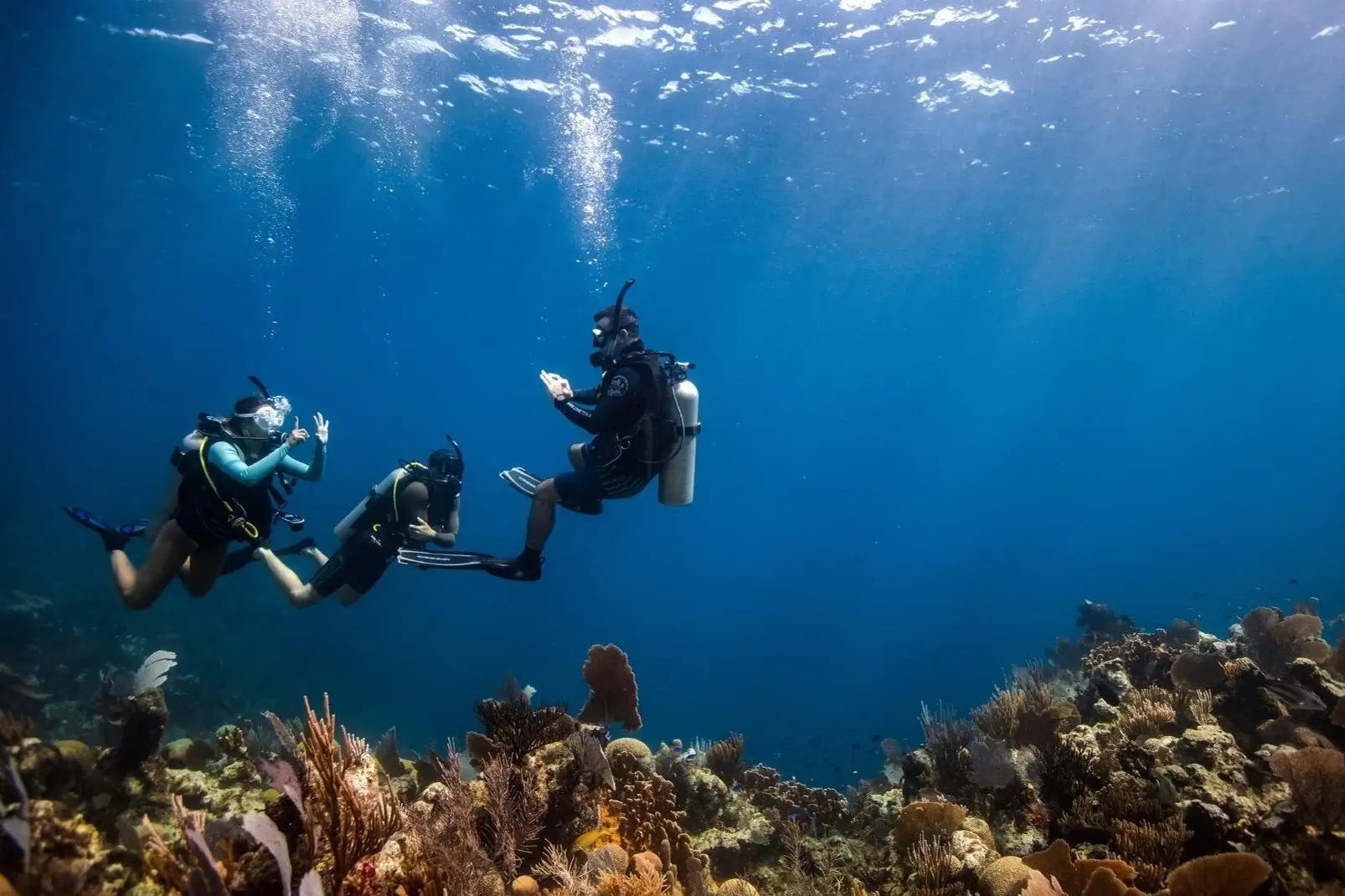
Das Herzstück. Ein einzelner Granitfelsen in offenem Wasser zwischen Koh Phangan und Koh Tao, der von 130 Fuß bis auf 13 Fuß unter die Oberfläche ragt. Was Sail Rock außergewöhnlich macht – und was es von allem in der Karibik unterscheidet – ist die Dichte des Meereslebens.
Chevron-Barrakudas schwärmen hier in den Hunderten bis Tausenden und umkreisen den Felsen in enger Formation. Riesenwachsmakrelen jagen an den Rändern. Fledermausfische schweben in mittlerer Wassertiefe. Unter 80 Fuß markiert eine Thermokline die Grenze zwischen warmem Oberflächenwasser und kühlerem, dunklerem Wasser, wo die pelagische Aktivität zunimmt.
Der Kamin – ein vertikaler Durchschwimm auf der Nordwestseite, auf 60 Fuß betreten und bis auf 16 Fuß aufsteigend – ist das Merkmal, für das jeder Taucher nach Sail Rock kommt. Es ist aufregend auf eine Weise, wie Riffwände und flache Buchten es einfach nicht sind.
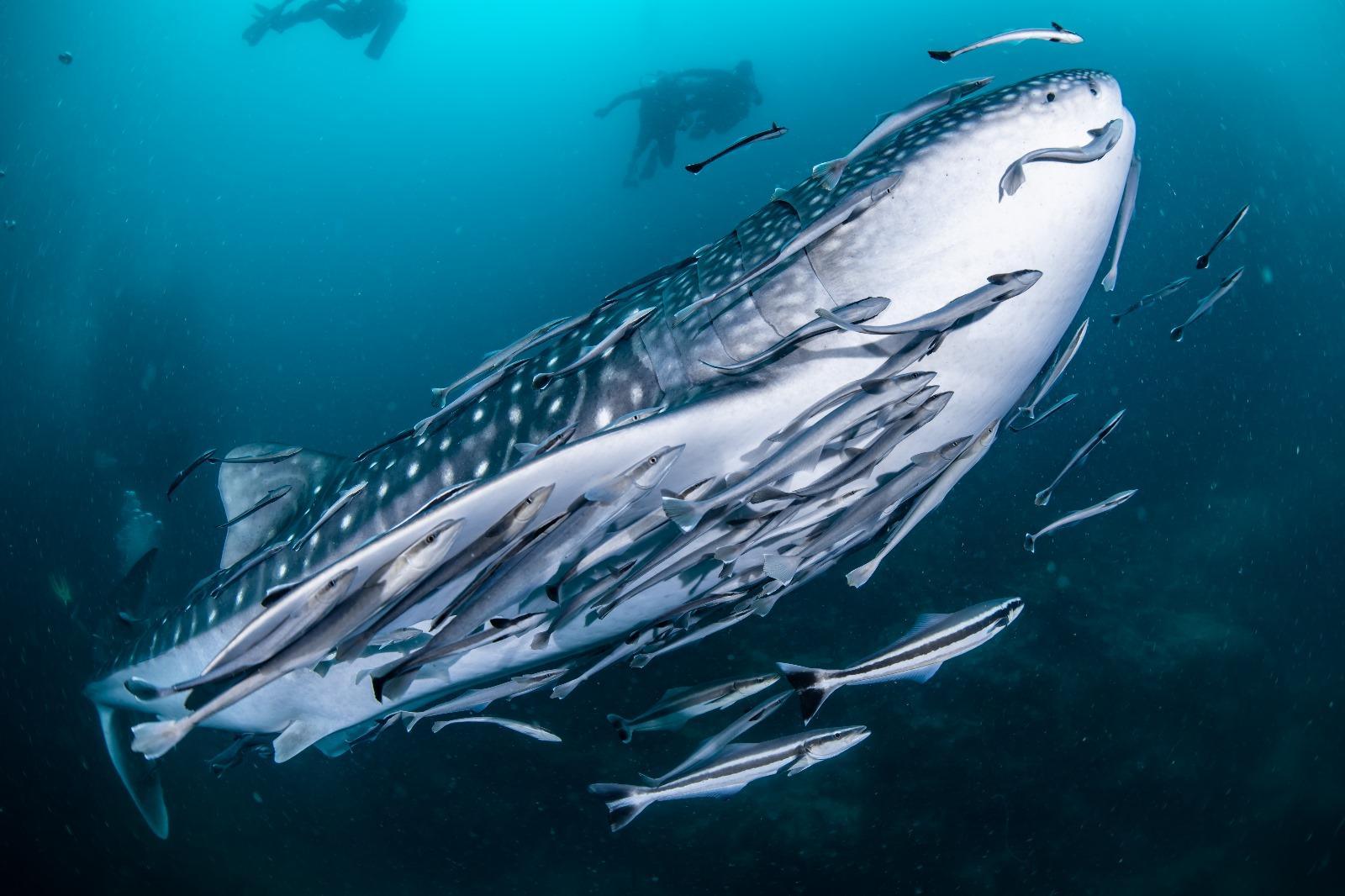
Walhaie: Sail Rock hat dokumentierte Walhai-Begegnungen das ganze Jahr über, mit Häufigkeitsspitzen von März bis Mai und einem sekundären Fenster von August bis Oktober. Die Haie hier sind typischerweise 16–33 Fuß groß – nicht die Jungtiere, die manchmal in Aquarien zu sehen sind, sondern große Hochseegänger. Während der Hochsaison ist eine Walhai-Begegnung bei einem von zwei Sail-Rock-Tauchgängen wirklich wahrscheinlich und nicht nur theoretisch möglich.
Erforderliche Zertifizierung: Open Water (oder gleichwertig) für den oberen Felsen und Kamin. Advanced empfohlen für das vollständige Tiefenprofil.
Chumphon Pinnacle – Die dramatische Alternative
Unter zwei Stunden von Koh Samui, weniger besucht als Sail Rock und in vielerlei Hinsicht topografisch dramatischer. Granitfelsen und Canyonsysteme fallen bis auf 100 Fuß ab und sind mit rosa und lila Weichkorallenanemonen bedeckt. Schulen von Füsilieren füllen die Canyons in silbernen Wänden. Leopardhaie – gutmütige, wunderschöne Teppichhaie – ruhen auf dem sandigen Boden.
Für Unterwasserfotografen produziert Chumphon Pinnacle außergewöhnliche Bilder. Die Weichkorallendichte in mittlerer Tiefe (65–80 Fuß) übertrifft die besten Plätze im Indopazifik.
Chumphon Pinnacle hier buchen.
Koh Tao – Ein Tag auf der Schildkröteninsel
Eine 90-minütige Schnellbootüberfahrt nach Koh Tao gibt Zugang zu 25+ Tauchplätzen, einschließlich der HTMS Sattakut – ein 165 Fuß langes thailändisches Marineschiff, das 2011 absichtlich versenkt wurde und jetzt eines der feinsten Kunstriffe in Südostasien ist. Auf 100 Fuß ist der Rumpf vollständig in Weichkorallen bedeckt; Glasfische schwärmen in jedem Abteil.
Unechte Meeresschildkröten erscheinen bei fast jedem Koh-Tao-Tauchgang – nicht gelegentlich, sondern als zuverlässige Begegnung. Schwarzspitzen-Riffhaie patrouillieren die flacheren Plätze. Die geschützten Buchten der Insel machen sie ideal für Kurs-Trainingstauchangänge.
Die Koh-Tao-Tagestour hier buchen.
Ang-Thong-Nationalpark
42 Inseln in einem UNESCO-geschützten Park auf der Westseite von Koh Samui. Das Tauchen ist flacher (16–65 Fuß) und konzentriert sich auf gesunde Hartkorallengärten statt pelagische Aktivität – es ist ein anderes Erlebnis als die Hochsee-Tauchplätze. Die Landschaft über Wasser (Kalksteinkarst-Türme, smaragdgrüne Lagunen) gehört zu den dramatischsten in Südostasien. Es lohnt sich, es für einen Nicht-Sail-Rock-Tag einzuplanen.
PADI-Kurse in Koh Samui
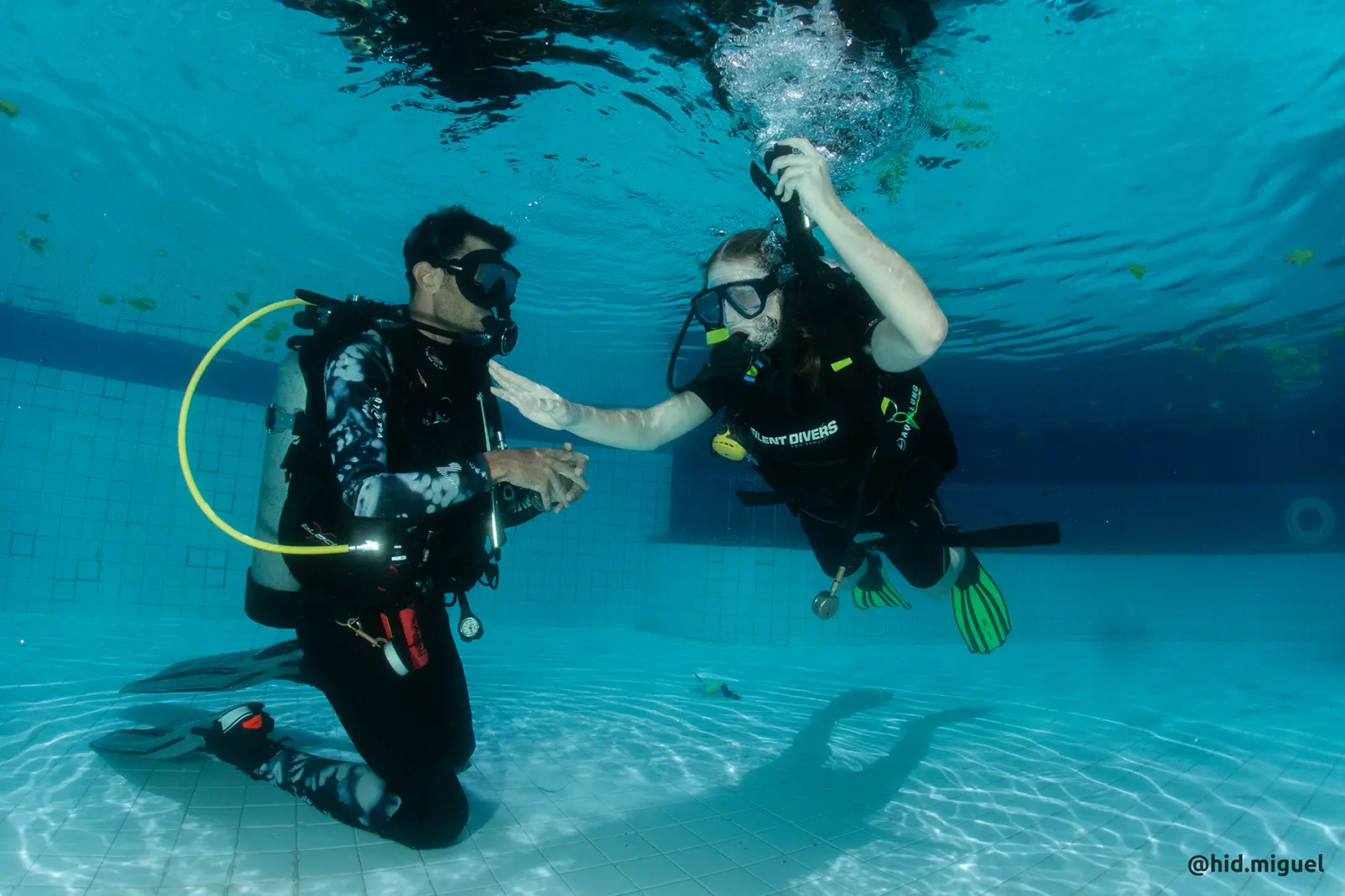
Viele US-Besucher nutzen die Reise zur Zertifizierung oder zum Upgrade. Der Golf von Thailand ist eine der besten Lernumgebungen der Welt: 28–30 °C Wasser, 15–25 m Sicht, ruhige Bedingungen und englischsprachige PADI-Ausbilder.
| Kurs | Dauer | Kosten (THB) | Kosten (ca. USD) |
|---|---|---|---|
| Discover Scuba Diving | 1 Tag | ฿3.500 | ~$97 |
| PADI Open Water Diver | 3–4 Tage | ฿18.200 | ~$505 |
| PADI Advanced Open Water | 2–3 Tage | ฿14.200 | ~$394 |
| PADI Rescue Diver | 3–4 Tage | ฿18.500 | ~$513 |
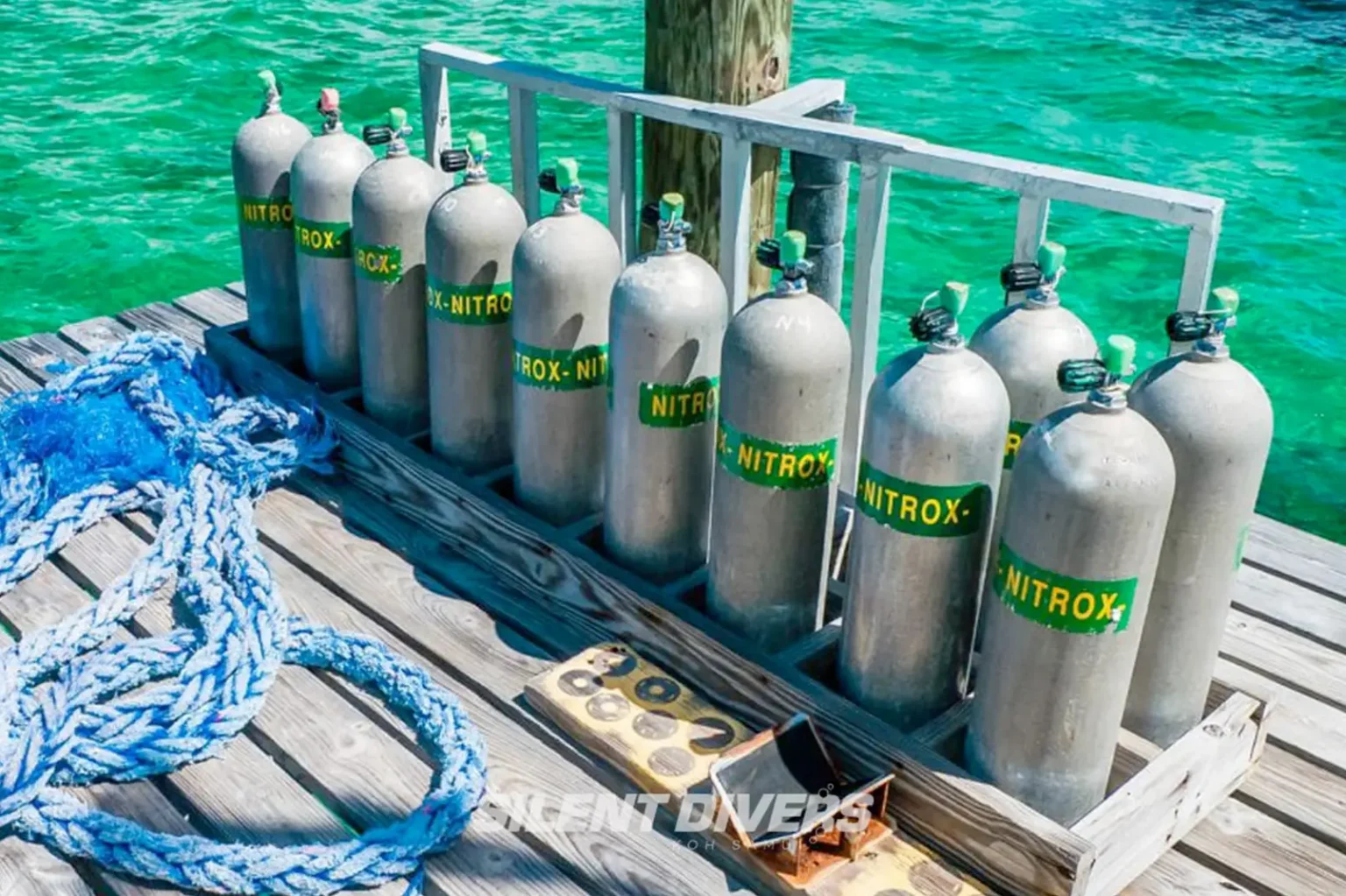
| Enriched Air Nitrox | Halber Tag | ฿3.900 | ~$108 |
USD-Umrechnungen ca. – vor der Reise prüfen.
Alle Kurse umfassen Ausrüstung, Flachwassereinheiten (Pool), Freiwassertauchgänge und PADI-Zertifizierungsgebühren. Die Theorie wird über PADIs eLearning-Plattform vor der Ankunft abgeschlossen – wir schicken Ihnen den Link bei der Buchung.
Für bereits zertifizierte US-Besucher: Der PADI Advanced Open Water erschließt die vollen Tiefenprofile bei Sail Rock und Chumphon und dauert nur 2–3 Tage. Die Nitrox-Zertifizierung (EANx) ist ein halbtägiges Zusatz, das Ihre Dekompressionsgrenzwerte bei Mehrtauchgangstagen erweitert – wir bieten kostenlose Nitrox-Füllungen für alle zertifizierten Taucher auf unseren Ausflügen.
Praktische Informationen für US-Besucher
Visum
US-Passinhaber erhalten bei der Einreise eine kostenlose 60-tägige Visumbefreiung. Kein Antrag, keine Gebühr. Zeigen Sie Ihren Pass und Ihr Rückflugticket am Bangkoker Flughafen – fertig. Für Trips bis zu 60 Tagen ist kein weiteres Papierwerk erforderlich.
Währung
Der Thai Baht (THB). Aktueller Kurs: ca. $1 = ฿36 (vor der Reise prüfen – Kurse schwanken). Beste Optionen für Amerikaner:
- Wise oder Revolut – beste Wechselkurse, keine versteckten Gebühren, funktioniert als Debitkarte. Konto vor der Reise eröffnen.
- Charles Schwab Bank Debitkarte – erstattet alle Geldautomatengebühren weltweit, weit verbreitet bei US-Reisenden in Südostasien
- Flughafen-Wechselstuben vermeiden – schlechteste Kurse, erheblicher Aufschlag
- Thai-Geldautomaten berechnen ฿220–฿250 pro Abhebung (~$6–$7) plus die Auslandstransaktionsgebühr Ihrer Bank
Reiseversicherung und Tauchdeckung
US-Reiseversicherung und Tauchdeckung funktionieren anders als britische Policen. Einige Besonderheiten:
DAN (Divers Alert Network) ist der Standard für tauchspezifische Versicherung. DAN ist eine in den USA ansässige Organisation, und die Jahresmitgliedschaft beginnt bei $35/Jahr für Freizeittauchdeckung. Es deckt Rekompressionsbehandlung, Evakuierung und Ausgaben im Zusammenhang mit dem Tauchen ab. Es ist die Standardpolice der meisten amerikanischen Taucher, die international reisen, und wir empfehlen es dringend.
Standard-Reiseversicherung von US-Anbietern (Allianz, Travel Guard, World Nomads) deckt Thailand typischerweise ab und kann einen Tauch-Zusatz umfassen. Tiefengrenzen prüfen – einige Policen decken nur bis 40 m/130 Fuß ab. Bestätigen, dass PADI-Kurse abgedeckt sind, wenn Sie eine Zertifizierung machen.
Kreditkarten-Reiseversicherung (Chase Sapphire, Amex Platinum) bietet etwas Reiserücktritt- und Krankendeckung, deckt aber selten tauchspezifische Vorfälle wie Dekompressionskrankheit ab. Verlassen Sie sich nicht darauf als primäre Tauchversicherung.
Gesundheit
Es sind keine Impfungen für die Einreise nach Thailand erforderlich. Das CDC empfiehlt, routinemäßige Impfungen aktuell zu halten und Hepatitis A und Typhus für Reisende zu erwägen. Malariarisiko auf Koh Samui speziell ist minimal – die Insel ist für Touristen kein Malariathema.
Medizinische Einrichtungen auf Koh Samui sind nach südostasiatischen Standards solide: Bangkok Hospital Samui ist ein internationales Privatkrankenhaus mit englischsprachigem Personal. Eine private hyperbare (Rekompressions-)Kammer ist auf der Insel verfügbar.
Zeitzone und Konnektivität
Thailand ist UTC+7. Von Pacific Time (PT) aus sind das im Winter 14 Stunden voraus (15 im Sommer). Von Eastern Time (ET) aus 11–12 Stunden. Anrufplanung von Koh Samui funktioniert am besten frühmorgens Ortszeit (7–9 Uhr Samui = 7–9 Uhr abends ET am Vortag).
Konnektivität ist ausgezeichnet. Jedes Hotel und Restaurant hat WLAN. Thai-SIM-Karten (AIS, DTAC, True) sind am Flughafen für $10–$15 mit 30 Tagen Daten erhältlich – besser und günstiger als das internationale Roaming von US-Betreibern.
Fortbewegung auf Koh Samui
Koh Samui hat keinen öffentlichen Nahverkehr. Optionen:
- Rollermiete – der lokale Standard, $6–$10/Tag. Nur für erfahrene Fahrer – die Ringstraße wird belebt
- Automiete – $30–$60/Tag, erfordert einen internationalen Führerschein
- Grab (Thailands Uber-Äquivalent) – funktioniert gut in Chaweng und den Haupttouristengebieten
- Songthaew (gemeinsame Pickup-Trucks) – günstig und häufig auf der Ringstraße
Silent Divers bietet Hotelabholung und -rückfahrt für alle Ausflüge und Kurse – Sie müssen Ihren eigenen Transport zum Pier nicht arrangieren.
Ihre Tauchgänge buchen
- Unsere Ausflüge durchsuchen – Betriebstage für die gewünschten Plätze prüfen
- Online buchen oder per E-Mail an bookings@silentdivers.com – 25% Anzahlung sichert Ihre Termine
- eLearning abschließen vor der Ankunft, wenn Sie einen PADI-Kurs machen
- Hoteltransfer ist von den meisten Koh-Samui-Standorten inklusive – wir bestätigen die Abholzeit 48 Stunden vorher
Stornierung: Kostenlos bis 72 Stunden vor Ihrer Tour. Für PADI-Kurse gilt dieselbe Richtlinie – Umplanung oder vollständige Erstattung mit 72 Stunden Vorlauf.
Das Fazit
Der Flug aus den USA ist das Haupthindernis – 18–22 Stunden ist ein Commitment. Aber Koh Samui bietet ein Tauchniveau, das in der westlichen Hemisphäre schlicht nicht verfügbar ist. Sail Rocks Walhaie. Chumphons Weichkorallencanyons. Koh Taos schildkrötenreiche Riffe und ein 165-Fuß-Wrack. Warmes, klares Wasser und eine Resortinsel, die die Nicht-Tauchstunden genauso angenehm macht wie die Tauchgänge.
Für US-Taucher, die die Karibik kennen und verstehen möchten, wie der Rest der Welt aussieht – hier kommen Sie hin.
Unsere Ausflüge durchsuchen – oder uns kontaktieren bei Fragen.