PADI Divemaster Course in Thailand: The Complete Guide for 2026
2026年4月22日

PADI Divemaster Course in Thailand: The Complete Guide for 2026

Everything you need to know about doing your PADI Divemaster course in Thailand — prerequisites, costs, how long it takes, career prospects, and why Koh Samui beats Koh Tao and Bali.

返回博客

The PADI Divemaster is the most significant milestone in a recreational diver’s journey — the point where the sport becomes a profession. It’s the first PADI professional rating, the entry point into the working dive industry, and for most people, the beginning of a career or extended chapter in diving that they’ll spend the rest of their lives looking back on.

Thailand has become one of the world’s most popular destinations for divemaster training — and for good reason. Warm water year-round, world-class dive sites, a thriving tourism industry that creates genuine employment, and a cost of living that makes an extended stay affordable. If you’re seriously considering the Divemaster course, Thailand should be near the top of your list. This guide explains why Koh Samui specifically makes a strong case, and exactly what the program involves.


What Is the PADI Divemaster?

The PADI Divemaster (DMT) is the first level of PADI’s professional rating system. As a qualified Divemaster you can:

  • Lead certified divers on guided dive tours
  • Assist PADI Instructors during all PADI courses, from Discover Scuba Diving through to Divemaster
  • Supervise dive activities and manage dive groups independently
  • Work at PADI dive operations anywhere in the world
  • Conduct Discover Scuba Diving programs (supervised Try Dives) independently

What a Divemaster cannot do: independently teach courses or certify new divers. That requires the PADI IDC and Instructor Examination (IE). Most Divemasters working in the industry either work alongside instructors at dive centres, or continue directly into the IDC to gain full teaching status.


Why Do Your Divemaster Course in Thailand?

Conditions

Thailand’s Gulf of Thailand delivers some of the most consistent dive training conditions in the world. Water temperature is 28–30°C year-round — no wetsuit needed. Visibility at the main sites (Sail Rock, Chumphon Pinnacle, Koh Tao) is routinely 15–25 metres. You’ll do your training dives at sites with real marine life density, not just training pools or bland reef.

As a Divemaster candidate, this matters. Your assessments include demonstrating skills in open water, conducting search and recovery exercises, leading certified divers on real dives, and building the water confidence that comes from logging dives in genuinely excellent conditions. Thailand gives you that environment.

Cost

A PADI Divemaster course at a reputable centre in the UK, Australia, or the Maldives will cost £1,500–£3,000+ for the training alone, before living costs. In Koh Samui, the course fee is ฿38,000 (approximately £840 / $1,050 USD). Accommodation ranges from £15–£40 per night for comfortable guesthouses. Meals cost £3–£8. Total cost for a 4-week stay including course, accommodation, and daily expenses: roughly £1,500–£2,000 all in. The same outcome costs nearly double in Australia or the Caribbean.

Career Opportunities

Thailand is one of the largest dive tourism markets in Southeast Asia. Koh Samui, Koh Tao, Koh Lanta, and the Similan Islands all employ large numbers of working divemasters each season. Singapore, Bali, the Philippines, and the Maldives are within easy reach for subsequent employment. A PADI Divemaster certified at a PADI 5-Star IDC centre is a strong candidate at any of these destinations.

The Quality Argument

Not all Divemaster training is equivalent. The depth of mentorship from your supervising instructors, the quality of the dive sites you train at, and the rigour of the internship component all vary enormously between centres. A 5-Star IDC centre — one authorised to run Instructor courses — operates to the highest standards in the PADI system. Your training quality directly affects your competence, your confidence, and your employability.


Thailand vs. Koh Tao vs. Bali

Thailand’s Koh Tao has long been the backpacker default for PADI certifications and Divemaster training. High volume, low prices, and a party atmosphere. It works for many people — but the sheer density of training divers at Koh Tao’s most popular sites means you’ll often be doing your Divemaster dives alongside dozens of open water students. Conditions at some sites are showing the effects of heavy use.

Koh Samui offers a quieter, more professional environment. Fewer training centres, better site access, and a PADI 5-Star IDC standard that attracts candidates specifically interested in quality over speed. For someone serious about a professional diving career — not just getting the card — the difference is noticeable.

Bali is a genuine competitor: excellent conditions, affordable, strong marine life. But the best Bali sites (Nusa Penida, Menjangan, Tulamben) are spread across the island, making logistics more complicated. Koh Samui’s sites are accessible on day trips from a single base.

Koh SamuiKoh TaoBali
Water temp28–30°C28–30°C26–29°C
Divemaster cost฿38,000 (~£840)฿25,000–35,000$900–1,200 USD
Centre qualityPADI 5-Star IDCVaries widelyVaries widely
Crowd levelLow–mediumHighMedium
Career networkingStrong (SE Asia hub)Strong (Koh Tao network)Good (Bali/Indonesia)
Best forCareer-focused candidatesBudget-first candidatesIndonesia-based career

Prerequisites in Detail

Before starting the PADI Divemaster course you need:

Certifications required:

  • PADI Advanced Open Water Diver (or equivalent)
  • PADI Rescue Diver (or equivalent)
  • Emergency First Response Primary & Secondary Care — must be within the last 24 months. If yours has lapsed, we offer the EFR course which can be completed in a day.

Dive experience:

  • Minimum 40 logged dives to begin the course
  • Minimum 60 logged dives to complete certification

If you’re currently at 30–35 dives, spend a few days doing fun dives in Koh Samui before the course starts. A two-tank day trip to Sail Rock or Koh Tao will build your log and give you confidence at depth before assessments begin.

Medical:

  • Medical clearance signed by a licensed physician within the last 12 months
  • Minimum age: 18 years

We send a pre-course medical questionnaire when you book. If there are any conditions that require a doctor’s sign-off, you’ll have time to arrange this before arrival.


What the Course Involves

The Divemaster course is structured in five interconnected phases, not sequential modules — elements of each overlap throughout the 16 days.

Knowledge Development

Dive theory and standards to professional level. You’ll cover:

  • Physics and physiology of diving
  • Decompression theory and dive planning
  • Equipment configuration and maintenance
  • The underwater environment and marine ecosystems
  • Risk management and emergency procedures
  • PADI standards, policies, and administrative procedures
  • The Divemaster’s professional responsibilities and code of conduct

Written exams at the end test your knowledge across all domains.

Watermanship & Skills Assessment

This is where many candidates feel the most pressure — and where the training matters most. You’ll be assessed on:

  • 500m swim — no time limit, any stroke
  • 15-minute float/tread — no hands or fins
  • 400m snorkel/mask/fin swim — within a time limit
  • 800m dive gear swim — surface swim with full scuba equipment

Plus: demonstration of 24 scuba skills to instructor quality standard. Not just competent execution — you’ll need to demonstrate each skill smoothly enough that you could teach it.

Practical Application

The hands-on component of the course:

  • Conducting Discover Scuba Diving (Try Dive) programs
  • Delivering pre-dive briefings for certified divers
  • Mapping a dive site with compass and slate
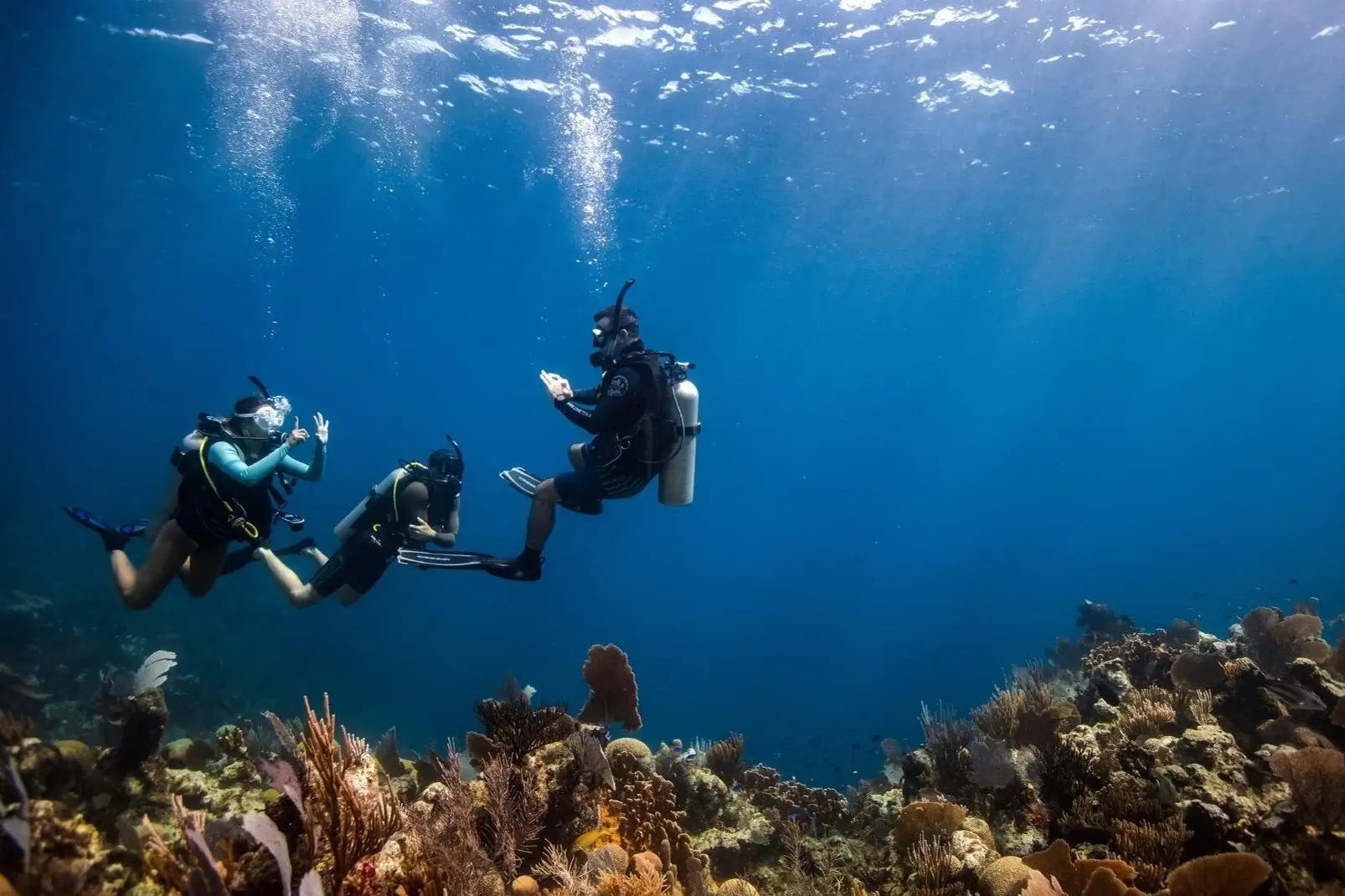
  • Organising and leading certified divers on guided tours
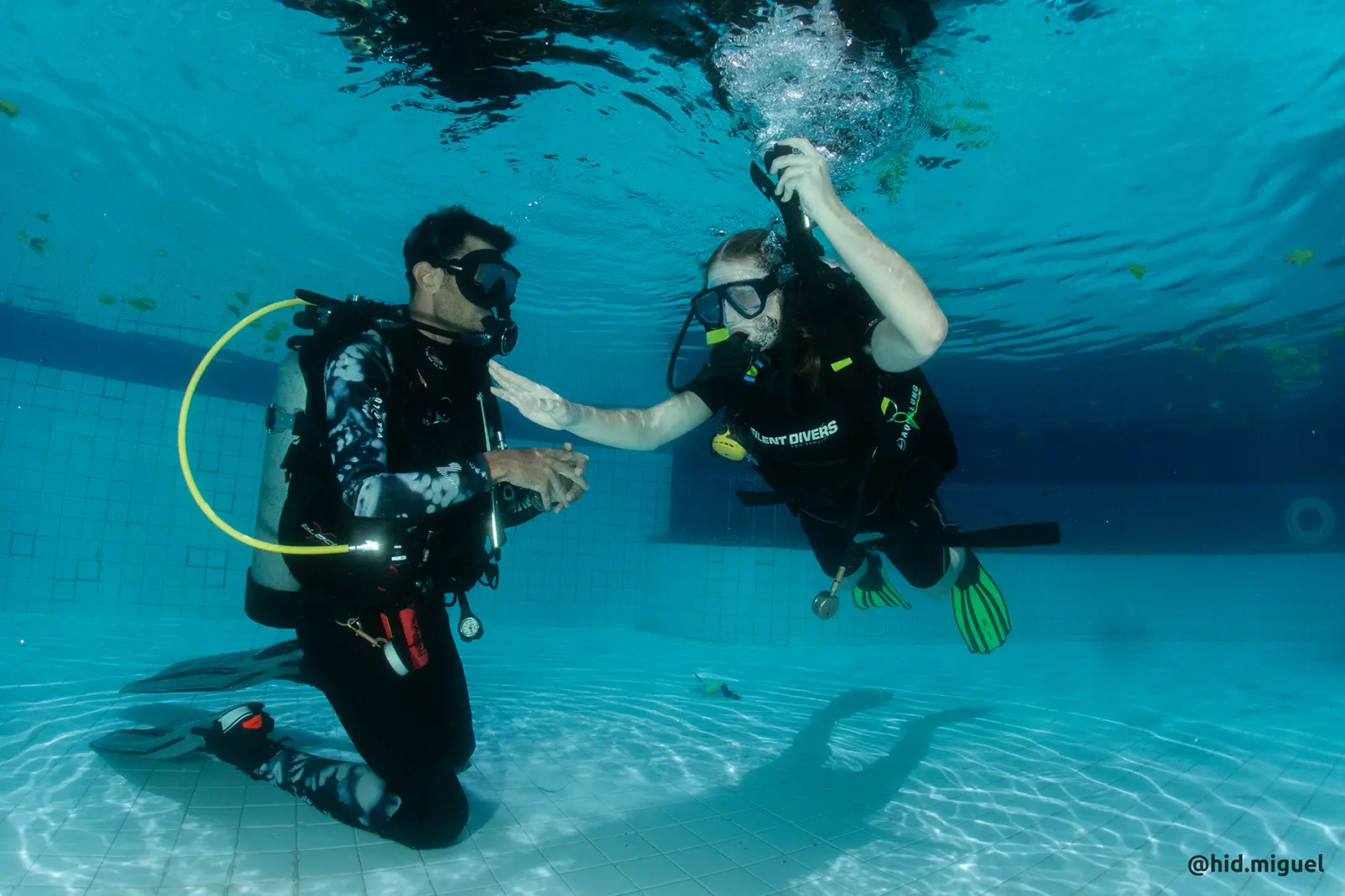
  • Assisting instructors during confined water and open water training dives
  • Search and recovery workshop
  • Deep dive workshop

Divemaster Internship

Working alongside our instructors in live dive operations. You’ll assist with actual student courses, escort certified divers on trips, help with equipment setup and briefings, and experience the daily reality of running a dive centre. This is real-world preparation — not simulated.

Final Assessment

Written knowledge development exams and practical competency evaluation across all Divemaster standards, assessed by your supervising instructor.


Costs: Full Breakdown

ItemCost
PADI Divemaster course (Silent Divers)฿38,000
PADI application & certification fees฿4,500 (£100)
PADI eLearning CrewPak (if needed)฿8,500 (£190)
Course total฿51,000 (£1,130)

Living costs in Koh Samui (4 weeks):

  • Guesthouse: £15–30/night → ~£420–840
  • Food: £5–10/day → ~£140–280
  • Transport (tuk-tuks, Grab): ~£50
  • Living total: ~£610–1,170

All-in estimate: £1,740–2,300 for a 4-week Divemaster trip including flights from the UK.

Compare to: a Divemaster course in Australia at a comparable 5-Star IDC centre runs AUD $2,500–4,000 in course fees alone, before living costs of AUD $100–150/day.


After the Divemaster: Career Paths

Working as a Divemaster

Many graduates move directly into employment — Thailand, Indonesia, the Philippines, and Maldives all offer seasonal and year-round Divemaster roles. Your 5-Star IDC certification is a genuine credential that distinguishes you from lower-tier training.

PADI Instructor Development Course (IDC)

The Divemaster is the entry requirement for the PADI IDC — the course that makes you a fully qualified diving instructor, authorised to teach and certify new divers. Many of our Divemaster graduates continue into the IDC, either immediately after or following a season of work. Full IDC details here.

PADI MSDT

After the IDC, the Master Scuba Diver Trainer (MSDT) program adds five specialty instructor ratings and 25 certified diver certifications, making you significantly more employable and versatile as an instructor.


How to Book

  1. Check the course page for current availability and start dates
  2. Book online — a 20% deposit (฿7,600) secures your start date
  3. We send pre-course materials — medical questionnaire, gear checklist, eLearning instructions
  4. Start building dives if you’re below 40 — we can book you onto fun dives in the weeks before your course begins

Contact us directly for any questions: [email protected] or +66 8193 36641 (WhatsApp available).

常见问题

At Silent Divers in Koh Samui, the PADI Divemaster course is ฿38,000 (approximately £840 / $1,050 USD at current rates). This includes all course materials, equipment rental, and lunch during training days. Not included: accommodation, PADI application and certification fees, and the eLearning CrewPak if not already purchased.

Our PADI Divemaster program runs 16 days. The duration can vary slightly depending on your existing dive count and individual pace through assessments. If you need to build dives before starting, factor in additional fun dive days — we can help you reach 40 logged dives beforehand.

You need: PADI Advanced Open Water Diver certification, PADI Rescue Diver certification, Emergency First Response (EFR) certification within the last 24 months, a minimum of 40 logged dives, a medical clearance form signed by a doctor (within 12 months), and be at least 18 years old. You'll need 60 dives to complete certification — you'll log the remainder during the course.

Yes. Thailand — particularly Koh Samui, Koh Tao, and Phuket — has one of the highest concentrations of working divemasters in Asia. The tourism-driven dive industry creates consistent demand for qualified DMTs. Competition is real, but a PADI Divemaster certified at a reputable 5-Star IDC centre is well-positioned.

Thailand offers the best combination of quality, cost, and conditions for professional dive training in Asia. Koh Samui has year-round warm water, world-class sites for real training dives, and a cost of living that makes a 3–4 week stay genuinely affordable. Compared to Australia, the Maldives, or Caribbean alternatives, Thailand is significantly better value.

A Divemaster can lead certified divers on tours and assist instructors during courses, but cannot independently teach or certify new divers. The PADI Instructor Development Course (IDC) is the next step — after passing the PADI Instructor Examination (IE), you become a certified PADI Open Water Scuba Instructor with full teaching authority.

Yes — the Divemaster course includes a practical internship component where you assist in real dive operations: escorting fun divers, assisting instructors with student courses, and running supervised dive activities. You'll graduate with genuine hands-on experience, not just a certification card.

潜水行程 潜水课程 周边商店
购物车

探索

购物车

购物车为空

浏览行程