I’ve logged somewhere north of 500 dives in the Gulf of Thailand over the past several years — started with an Open Water course on Koh Tao, worked up through Rescue Diver, and ended up based on Koh Samui. I’ve dived both islands extensively. I know what both offer and I know where each one frustrates you.
This is the comparison I wish I’d had before I made my first booking.
The short version: neither island is objectively better for diving. They access largely the same sites. The difference is almost entirely about the experience surrounding the diving — accommodation quality, food, crowd levels, costs, and what you do when you’re not underwater. Understanding that framing will make the rest of this useful.
The Sites: More Similar Than You’d Think
Here’s the thing that surprises most people: Koh Tao and Koh Samui don’t have different dive sites. They have the same dive sites, reached from opposite directions.
Sail Rock sits roughly midway between the two islands. Chumphon Pinnacle is closer to Koh Tao. The HTMS Sattakut wreck is in Koh Tao’s waters. But all of these are accessible from both islands by speedboat — you’re talking about 40–90 minutes depending on where you’re departing from.
The truth is, every dive site is accessible from either island. The only real difference is the time it takes to reach them:
Sites closest to Koh Tao (shorter travel time from Tao, longer from Samui):
- The 25+ smaller local sites around Koh Tao’s coastline (White Rock, Mango Bay, Shark Island, Twins, Japanese Gardens, etc.)
- The HTMS Sattakut wreck
- Chumphon Pinnacle
Sites closest to Koh Samui (shorter travel time from Samui, longer from Tao):
- Ang Thong National Marine Park — a stunning 42-island marine park on Samui’s western side
The Middle Ground:
- Sail Rock — the best single site in the Gulf, sitting roughly midway between the two islands
Because of the shorter local travel times to its 25+ coastal sites, Koh Tao naturally offers more daily variety without the long boat rides. You can easily do a week of diving without seeing the same place twice. Koh Samui trips tend to focus on the premier “big ticket” sites like Sail Rock and Ang Thong, which means you might repeat Sail Rock if you dive for several days — though frankly, you could dive Sail Rock thirty times and still not be bored of it.
Koh Tao: What It Actually Delivers
I did my Open Water course on Koh Tao, and I understand why it has the reputation it does. It’s genuinely a dive island. The whole place revolves around it.
The honest advantages:
Site diversity. Twenty-five named sites around one island is a lot. White Rock, Shark Island, Mango Bay, Twins, HTMS Sattakut, Aow Leuk, Japanese Gardens — each has its own character, depth profile, and resident species. A week on Koh Tao with a good operator means genuinely varied diving every day.
Short boat rides. Most sites are 5–20 minutes from Koh Tao’s harbour. You’re not burning an hour on a boat crossing before you get in the water. That matters on a day when the sea isn’t completely flat.
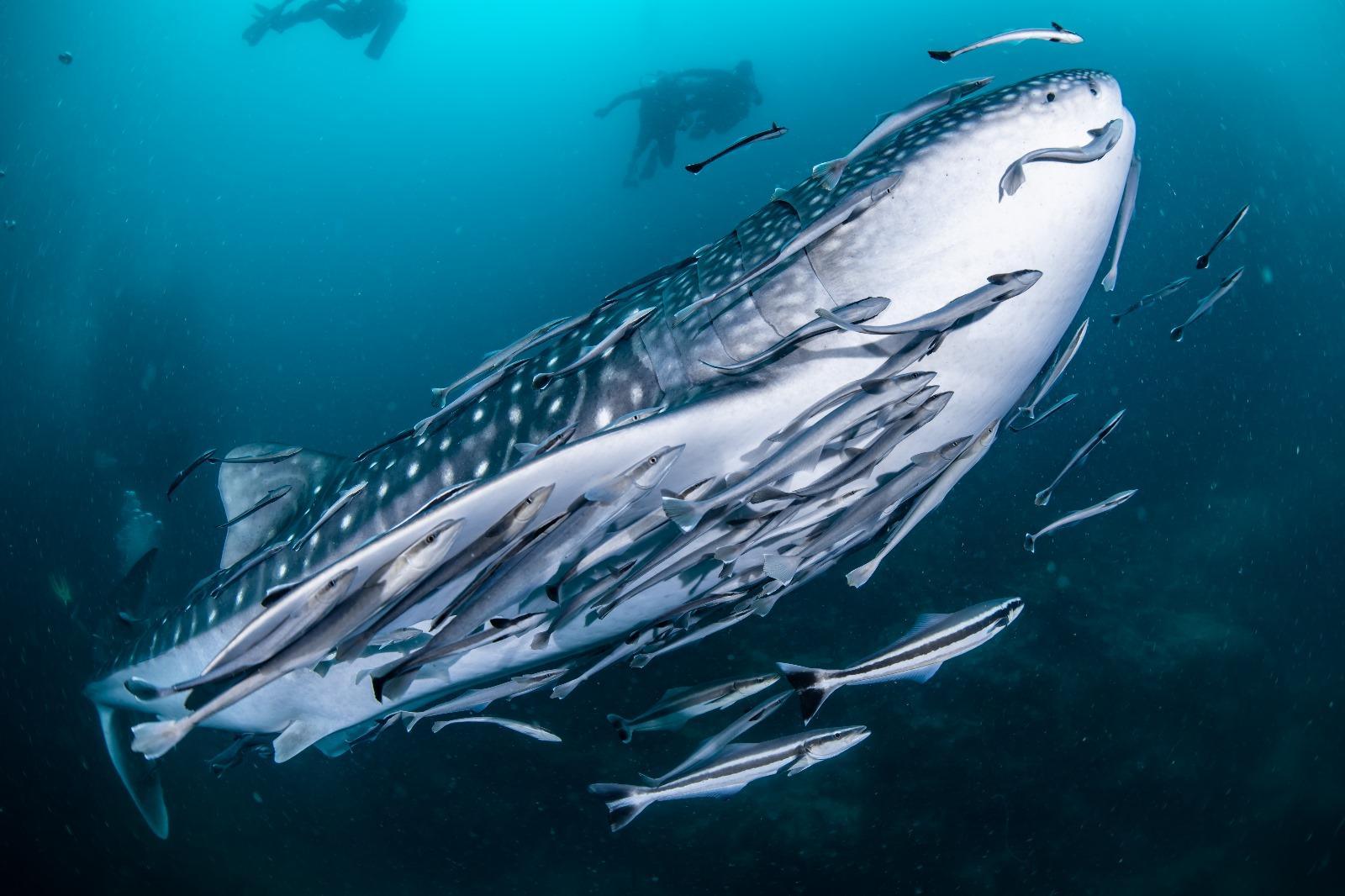
The dive culture. Every restaurant, every bar, every guesthouse is oriented around divers. Your pre-dive briefing coffee, your post-dive meal, the dive log chat at the table next to you — it’s a scene in the proper sense. If you want to meet other divers, swap stories, compare notes on whale shark encounters, Koh Tao is where that happens naturally.
Price. Accommodation is meaningfully cheaper. Dive prices are somewhat lower. For budget travellers doing seven dive days, this adds up.
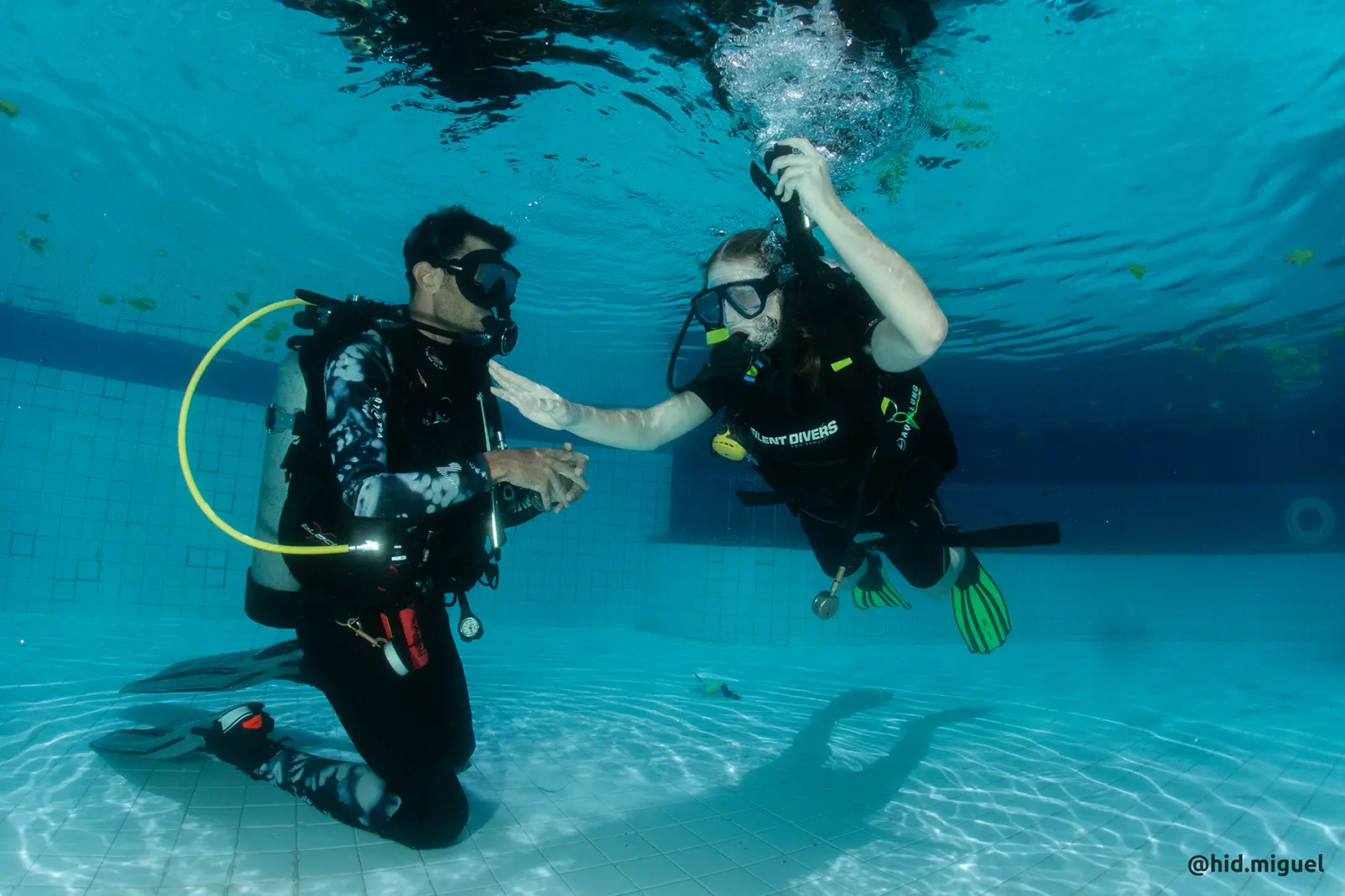
Courses. Koh Tao has more instructors per square kilometre than anywhere else in the world. Competition is fierce, which keeps course quality up and prices competitive. If your primary goal is getting certified and cost is a factor, Koh Tao makes sense.
The honest drawbacks:
Koh Tao is small, and you’ll feel it. The main beach strip — Mae Haad to Sairee — is a strip of dive shops, bars, and guesthouses. After a few days, you’ve seen it. If your travel companion doesn’t dive, they’ll have exhausted their options by day three.
The party atmosphere can be fatiguing. Sairee Beach has a well-earned party reputation. This is fine, even enjoyable, if you’re in your twenties and arrived for that. If you’re trying to sleep before an 07:30 boat, rooms backing onto the main strip are a problem. Choose accommodation carefully.
Accommodation quality caps out lower. There are good places to stay on Koh Tao, but “good” in Koh Tao terms is not “good” in Koh Samui terms. If you want a proper resort pool, air conditioning that actually works, and a beach that isn’t standing room only, Koh Tao will disappoint.
Sargassum seaweed. Koh Tao’s west-facing beaches catch the floating seaweed mats that drift in seasonally (roughly May–August). It’s worse some years than others, but it’s worth knowing.
Koh Samui: What It Actually Delivers
I’ve been based here long enough to be genuinely honest about both the advantages and the frustrations.
The honest advantages:
The resort infrastructure is real. Good hotels exist at every price point. The restaurants are genuinely excellent — Thai, international, everything. The road network means you can actually get around. The airport connects directly to Bangkok, Singapore, Hong Kong. If you want to combine a proper holiday with serious diving, Koh Samui is the better base.
Sail Rock proximity. Fifty minutes to the best dive site in the Gulf of Thailand. If Sail Rock is why you’re coming — and increasingly, it is for a lot of people — Koh Samui gets you there efficiently.
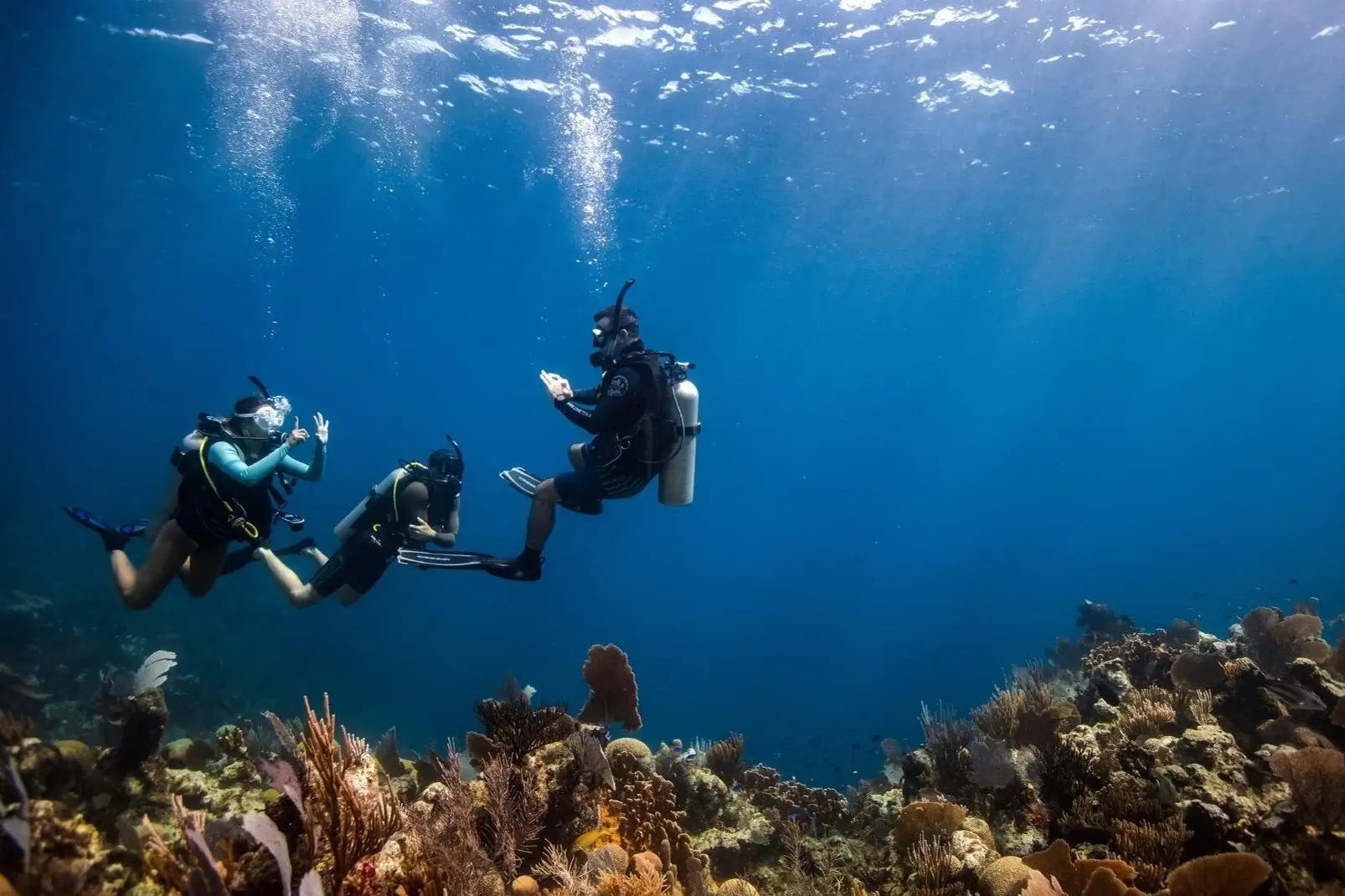
Ang Thong. I’ve dived Ang Thong Marine Park several times and it never stops being remarkable. Pristine reefs, almost no other dive boats, limestone karst formations above the water line. You cannot do this from Koh Tao in any practical sense. It’s a genuinely unique offering.
Non-diving days are easy. If the sea is rough, or you need a rest day, or your partner doesn’t dive — Koh Samui has options. Waterfalls, temples, cooking classes, proper spa facilities, good restaurants. A non-diver can have an excellent week here.
Better for rescue diver mindset. This is personal, but: I think diving from a properly equipped centre with larger, more stable boats, consistent guide-to-diver ratios, and full emergency oxygen protocols matters. I’ve seen things done sloppily on both islands, but the stakes of sloppy are higher when you’re 90 minutes from a recompression chamber rather than 15 minutes.
The honest drawbacks:
Fewer sites. I already said this, but it bears repeating. If you want a different site every single day of a ten-day trip, Koh Samui can’t deliver that without repetition.
Longer crossings. Ninety minutes to Koh Tao each way means a long day. You’re on the boat for three hours before you factor in the dives themselves. On a glassy day this is fine, almost pleasant. On a choppy day it’s exhausting.
Higher costs overall. Accommodation, food, beer — all more expensive than Koh Tao. Not dramatically, but meaningfully if you’re watching a budget.
Less dive community feel. Koh Samui is a resort island that also has good diving, not a dive island that also has resorts. The dive scene exists, but you’re not surrounded by it. If you want to talk diving with strangers at dinner, you’ll have to seek it out.
Rescue Diver Perspective: The Safety Stuff
After my Rescue Diver course, I started looking at dive operations differently. A few things worth mentioning:
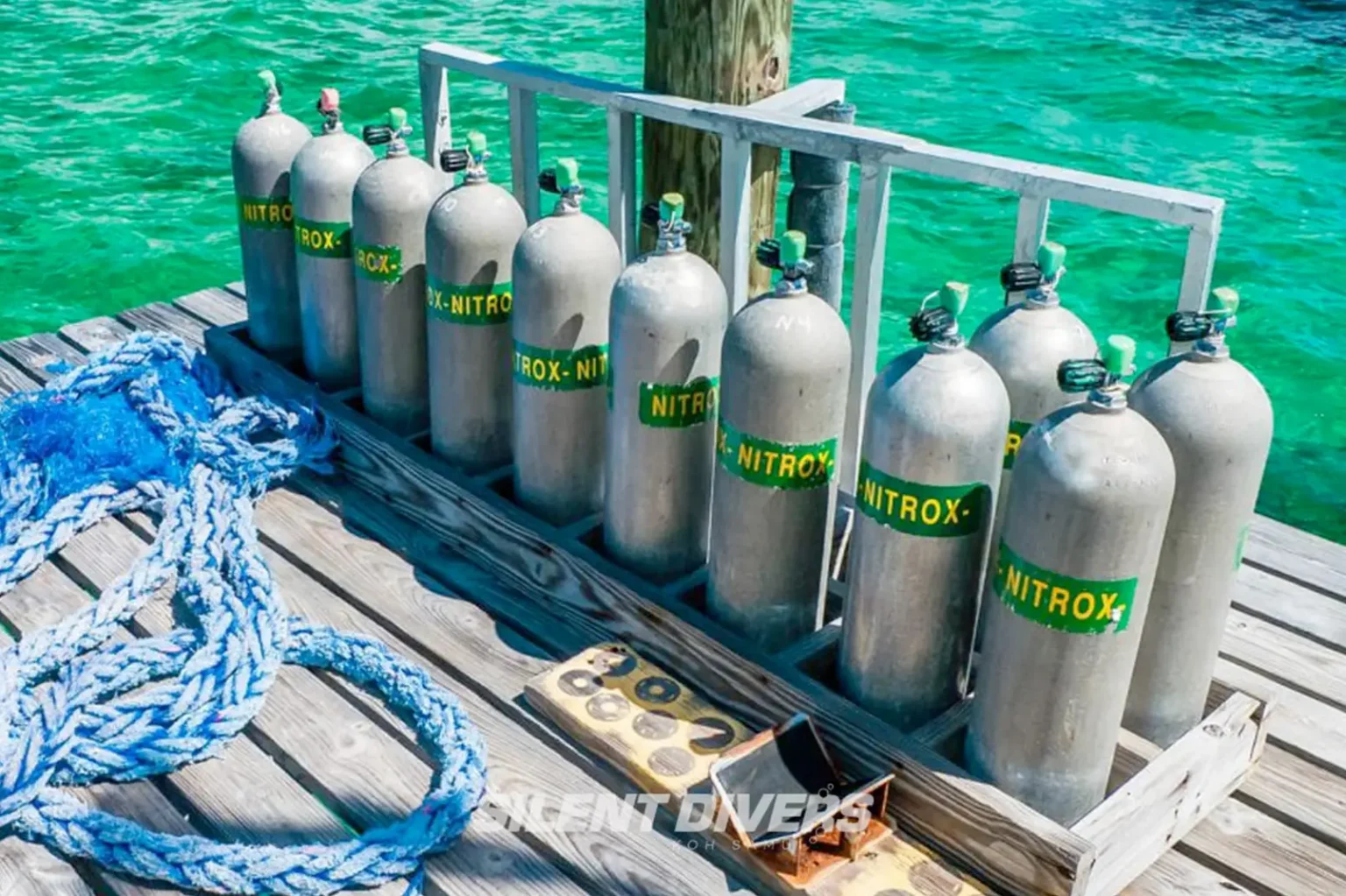
Emergency oxygen. Any reputable operator should have it on every boat. Ask. The answer tells you something.
Recompression chamber distance: Both Koh Samui and Koh Tao have access to chamber facilities, but Koh Samui’s is closer to a proper hospital infrastructure. In a genuine DCS emergency, where you end up first matters.
Group sizes in the water. On Koh Tao, group sizes vary wildly depending on operator. The budget end of the market sometimes runs 8–10 divers per guide at a busy site. This isn’t inherently dangerous but it’s worth asking what ratio you’ll be in.
Guide familiarity with sites. The best Koh Tao guides know every boulder, thermocline, and current shift at their local sites. When you get a guide who’s dived the same site 400 times, you see things you’d miss otherwise. This applies equally to both islands — the point is to ask how many times your guide has dived the site you’re going to.
My Honest Verdict
Choose Koh Tao if:
- Diving is your primary or sole purpose for the trip
- You’re doing a course and cost matters
- You want to dive something different every day
- You’re travelling solo and want to meet other divers
- You’re on a budget
Choose Koh Samui if:
- You want excellent diving alongside a proper resort holiday
- Sail Rock and/or Ang Thong are priority sites for you
- You’re travelling with a non-diver or a family
- Accommodation quality and food options matter to you
- You want Koh Tao diving available as a day trip option without committing to staying there
Do both if:
- You have ten days or more
- Base a few nights in Koh Tao for the local site variety, then move to Koh Samui for Sail Rock and Ang Thong in comfort
The ferry between the two islands is around two hours. Many divers treat them as a circuit rather than an either/or choice, and that’s probably the most honest answer to the comparison.
Neither island will disappoint you. The Gulf of Thailand is extraordinary, and the sites you reach from either base will remind you why you started diving in the first place.
Written by a PADI Rescue Diver with 500+ logged dives in the Gulf of Thailand, based at Silent Divers on Koh Samui.
Ready to dive? Browse our Koh Samui day trips or enquire about diving courses.